request to quote
Leave Your Message

What Is a Big Size Butterfly Valve and How Does It Work?

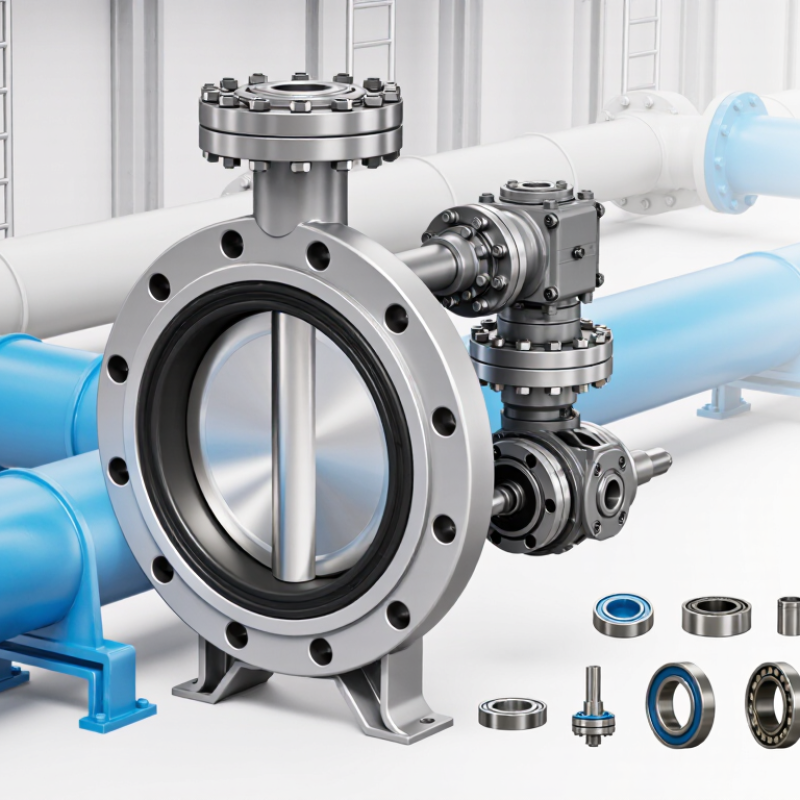
A Big Size Butterfly Valve is a quarter-turn flow-control device used in large pipelines. It regulates or isolates water, air, chemicals, and other compatible media. Unlike a small valve, it may span several meters and require lifting equipment during installation. Its main parts include a circular disc, shaft, body, seat, and actuator. The design is simple. The engineering is not.

When the actuator rotates the shaft by 90 degrees, the disc moves inside the pipeline. A parallel disc allows flow to pass with relatively low resistance. A perpendicular disc blocks the passage and stops the medium. Partially open positions provide throttling, although continuous throttling can increase wear and vibration. Field technicians often inspect flange alignment, shaft movement, seat condition, and actuator torque before commissioning. A slight misalignment can create leakage, even when the valve appears correctly installed.

Large butterfly valves are common in municipal water systems, cooling networks, irrigation plants, and industrial process lines. Their lower weight and shorter face-to-face length can simplify pipeline design. However, size alone does not determine performance. Pressure rating, temperature, corrosion resistance, flow direction, and sealing material must match the service conditions. Selection errors happen more often than expected. A valve that works well in clean water may perform poorly with abrasive slurry or high-temperature media. This article explains the structure, operating principle, selection factors, installation concerns, and maintenance practices behind a Big Size Butterfly Valve. It also examines practical limitations that product brochures sometimes overlook.
What Is a Big Size Butterfly Valve and How Does It Work?

What Is a Big Size Butterfly Valve?

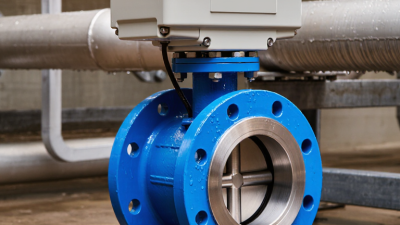
A big size butterfly valve is a quarter-turn device used to control or isolate fluid flow in large pipelines. It has a circular disc mounted on a rotating shaft inside the pipe. When the disc turns parallel to the flow, the passage opens. When it turns across the flow, the valve closes. Simple in principle.

“Big size” usually refers to a large nominal pipe diameter, often found in water treatment plants, cooling systems, power facilities, and industrial process lines. Compared with smaller valves, these units handle greater flow volumes and higher operating forces.

Their bodies may use ductile iron, carbon steel, or stainless steel, depending on pressure, temperature, and fluid conditions. Operators can rotate the shaft manually, electrically, or hydraulically. A tight seat reduces leakage, but sealing performance depends on correct selection and installation.

A valve may look robust yet perform poorly if its disc is misaligned.

Tips: Check the pipeline diameter, pressure rating, temperature, and fluid before selection. Keep enough space for actuator maintenance. During installation, confirm that the disc can move freely without touching nearby pipe components. Regular inspections should examine the shaft, seat, bolts, and signs of corrosion. Do not assume a larger valve always provides better control. In some systems, oversized equipment responds slowly and creates unnecessary cost. Manufacturer data and field measurements should support the final decision.

How Does a Big Size Butterfly Valve Work?

What Is a Big Size Butterfly Valve and How Does It Work?

A big size butterfly valve controls fluid through a circular pipe using a rotating disc. The disc sits between two flanges and turns around a central stem. When the disc aligns with the pipeline, water, air, or other media can pass with limited resistance. A quarter-turn closes the valve by placing the disc across the flow path.

The motion is simple. Torque matters. Large discs face considerable fluid pressure, so manual operation often uses a gearbox, electric actuator, or pneumatic actuator. The actuator turns the stem gradually, while the seat presses against the disc edge to reduce leakage. Resilient seats suit many water and air systems, while metal seats handle higher temperatures and demanding services.

During operation, the disc may remain partly open for flow control. However, this position can increase turbulence, vibration, and wear. A big valve also needs accurate pipe alignment. Even a small flange offset can stress the body or distort the seat. Field checks should confirm bolt tightening, stem direction, actuator limits, and unobstructed disc movement.

One detail is often underestimated: pressure difference affects opening torque. A valve may move easily without pressure but resist strongly during service. The design looks straightforward, yet installation conditions can change performance. It is not a perfect shutoff under every pressure, temperature, or media condition. Regular inspection helps identify seat damage, corrosion, and actuator problems before operation becomes unreliable.

What Is a Big Size Butterfly Valve and How Does It Work?

A big size butterfly valve controls flow by rotating a circular disc around a shaft. The disc is aligned with the pipeline in the open position and turned across the flow path to reduce or stop flow. The chart shows the theoretical circular flow area calculated from common nominal pipe diameters.

The geometric area is calculated as A = π × (DN ÷ 1000)² ÷ 4. In real installations, the effective flow area and capacity are influenced by the disc profile, valve body, pressure drop, lining, and operating angle. Large butterfly valves typically use a quarter-turn actuator for fast isolation or throttling service.

What Are the Main Components of a Big Size Butterfly Valve?

A big size butterfly valve controls flow through a large pipeline with a rotating disc. Its main component is the valve body, which connects to the pipeline flanges. The body must withstand pressure, vibration, and repeated thermal changes. For large diameters, engineers often use a strong, compact body to reduce weight and installation loads.

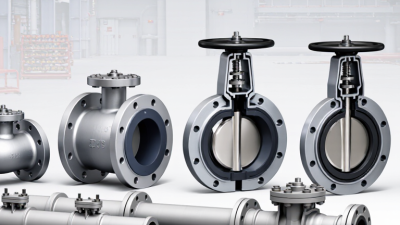
The disc is the moving barrier inside the body. It rotates about a quarter turn between open and closed positions. A central stem transfers torque from the actuator to the disc. Some designs use a single stem, while others use a two-piece arrangement. Stem bearings support smooth movement and limit friction. The seat creates the sealing line around the disc. It may be resilient or metal, depending on temperature, pressure, and fluid conditions. Small damage matters.

The actuator supplies the turning force. Electric, pneumatic, or hydraulic units may operate large valves. A gearbox can reduce operating effort and improve control. Stem seals help prevent external leakage, while disc-edge seals protect the closed position. Position indicators show whether the valve is open, closed, or partly open. That detail helps during field inspections.

A common mistake is judging only the body size. Incorrect flange alignment can overload the stem and seat. Debris can also scratch sealing surfaces during commissioning. Even a correctly selected valve may perform poorly after careless installation. Technicians should check torque, bolt tightening, travel limits, and seat condition before service. Manufacturer instructions remain important, but site conditions deserve equal attention.

Where Are Big Size Butterfly Valves Used?

What Is a Big Size Butterfly Valve and How Does It Work?

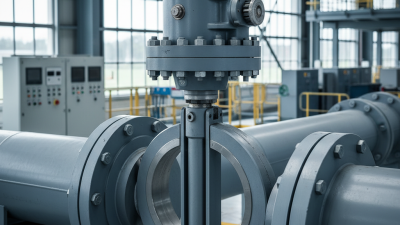
Big size butterfly valves are widely used where pipelines carry large volumes of water, air, or low-pressure fluids. Their compact body and quarter-turn operation make them practical for large pipe systems. A circular disc rotates inside the pipe to control flow. When the disc aligns with the fluid, flow passes through. When it turns across the passage, the valve closes.

Where Are Big Size Butterfly Valves Used?

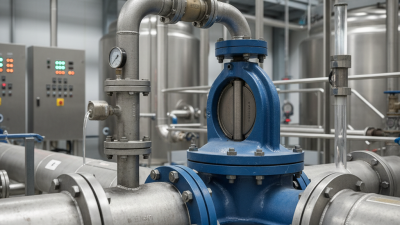
Municipal water treatment plants use them on intake, distribution, and sludge lines. They also appear in wastewater facilities, irrigation networks, and large drainage systems. In commercial buildings, they control chilled water and cooling tower circuits. Power stations use them for cooling water and service water pipelines. Marine systems may use them for ballast, seawater, and fire protection lines. Industrial plants often install them around storage tanks and process equipment. Selection is not always obvious. Pressure, temperature, fluid composition, and operating frequency all matter. A valve suitable for clean water may perform poorly with abrasive slurry. Large valves can also create serious installation challenges, especially when access is limited.

Tips: Check the pipe diameter, pressure rating, and disc clearance before ordering. Confirm the actuator torque with a qualified engineer. Support the pipeline separately. The valve should not carry pipe weight. Inspect seals during scheduled maintenance, even when leakage seems minor. A small leak can become expensive. In practice, installation details often decide service life more than the valve’s size.

What Is a Big Size Butterfly Valve and How Does It Work? - Where Are Big Size Butterfly Valves Used?

Data Dimension Typical Information Technical Explanation or Application Note
Definition Large-diameter quarter-turn valve A butterfly valve uses a circular disc mounted on a shaft to start, stop, or regulate flow. “Big size” generally refers to large nominal pipe diameters, commonly DN600 and above, although the exact threshold varies by industry.
Common Nominal Sizes DN600–DN4000 and larger in special applications The actual available size range depends on the valve design, pressure rating, manufacturing method, piping standard, and service requirements.
Operating Principle Disc rotation through approximately 90 degrees When the disc is aligned with the pipeline, flow resistance is relatively low. When the disc turns perpendicular to the flow path, it closes the passage and isolates the line.
Main Body Designs Wafer, lug, double-flanged, and welded-end Wafer and lug designs are compact. Double-flanged designs provide robust pipeline connections. Welded-end designs are selected when a permanent, highly integrated connection is required.
Disc Materials Ductile iron, carbon steel, stainless steel, or duplex stainless steel Material selection depends on pressure, temperature, corrosion resistance, erosion, fluid composition, and applicable design standards.
Seat Options Resilient seat or metal seat Resilient seats are widely used for water and general utility services. Metal-seated designs are preferred for higher temperatures, abrasive media, or demanding shut-off conditions.
Pressure Capability Commonly selected from low- to medium-pressure pipeline classes Pressure ratings vary significantly by size, body material, seat design, temperature, and standard. The valve data sheet must be checked before selection.
Actuation Methods Manual gearbox, electric actuator, pneumatic actuator, or hydraulic actuator Large valves often use gear-assisted or powered actuation because disc torque increases with valve size, differential pressure, fluid conditions, and seat friction.
Control Function Isolation, throttling, or flow modulation Butterfly valves are effective isolation devices. They can also regulate flow when the valve, actuator, and control system are specifically designed for throttling service.
Water and Wastewater Raw water, treated water, sewage, and pipeline isolation Large diameters, compact construction, and relatively low operating torque make butterfly valves suitable for treatment plants, pumping stations, reservoirs, and transmission pipelines.
Power and Cooling Systems Cooling water, circulating water, and intake or discharge lines Large-size valves help isolate equipment and control high-volume water flows in cooling circuits and utility networks.
HVAC and District Energy Chilled water, condenser water, and heating-water networks They are used where large flow passages and space-efficient shut-off are important, especially in central utility and district-energy systems.
Marine and Intake Systems Seawater, ballast, firewater, and cooling-water service Corrosion-resistant materials, suitable coatings, and compatible seat materials are important when the valve handles seawater or other corrosive fluids.
Mining and Slurry Service Process water and selected abrasive or solids-bearing fluids Service suitability depends on solids concentration, particle size, velocity, pressure, and the wear resistance of the disc and seat. Not every butterfly valve is appropriate for slurry.
Key Advantages Compact, lightweight, economical, and quick to operate Compared with many full-bore valve types, large butterfly valves generally require less installation space and less material, while providing fast quarter-turn operation.
Important Limitations Disc remains in the flow path The disc can create pressure loss and may be vulnerable to erosion or damage in unsuitable high-velocity, abrasive, or contaminated services. Proper sizing and material selection are essential.
Installation and Maintenance Correct alignment, clearance, torque, and periodic inspection The pipeline should be properly supported and aligned. The disc must have sufficient clearance during operation, and actuators, seats, shafts, fasteners, and protective coatings should be inspected according to the service conditions.

Note: Actual size, pressure rating, temperature range, leakage class, materials, and applicable standards must be confirmed from the project specification and the valve manufacturer's technical data sheet.

What Are the Benefits and Limitations of Big Size Butterfly Valves?

A big size butterfly valve controls flow through large pipelines with a rotating disc. The disc turns around a central shaft, usually through a quarter-turn. When the disc aligns with the pipe, fluid passes through. When it rotates across the passage, flow stops. The term “big size” is not precise, so engineers should confirm the nominal diameter, pressure class, and operating temperature before selection.

Its main benefit is compact construction. A large butterfly valve usually weighs less than a comparable gate or globe valve. This can reduce support steel, lifting effort, and installation time. It also needs little space between pipe flanges. A properly selected valve can provide quick shutoff and acceptable throttling control. However, the disc remains inside the flow path, creating some pressure loss. Poor throttling may cause vibration, noise, or uneven seat wear. High-pressure service can also demand substantial actuator torque. That detail is sometimes underestimated.

Tips: Check the medium, temperature, pressure, and flow direction. Confirm that the seat material suits the fluid. Allow room for the actuator and maintenance access. Inspect the shaft, disc edge, and sealing surface regularly. Do not assume a larger valve always improves performance; oversized valves can operate poorly at low flow. Selection should follow verified calculations and applicable engineering standards. Field conditions may differ from drawings, so rechecking the installation is sensible.