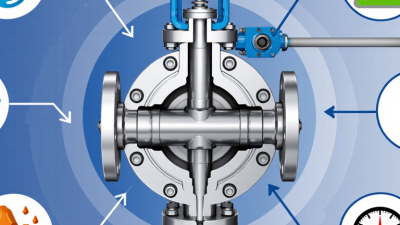
Why Choose IP67 Butterfly Valve?
Selecting the right valve begins with the environment, not the catalogue photograph. An IP67 Butterfly Valve is designed for installations facing dust, spray, and brief water immersion. Its enclosure protection can help shield electric actuators and control components from harsh site conditions. That matters near wastewater channels, outdoor pipelines, cooling systems, and dusty processing areas.
Valve engineer Michael T. O’Rourke explains, “Protection is valuable only when the valve still matches the process.” This practical view deserves attention. IP67 protection does not automatically guarantee chemical resistance, pressure suitability, or long service life. Engineers must check the lining, disc material, shaft sealing, torque, and operating temperature. A valve may look robust while its elastomer weakens under an incompatible medium.
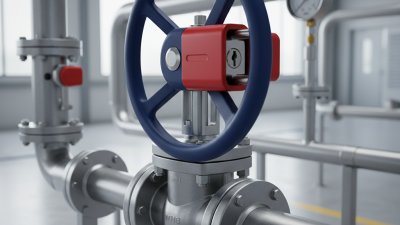
Picture a pump station after heavy rain. Mud surrounds the actuator, water collects around the stem, and maintenance access becomes difficult. A correctly specified IP67 Butterfly Valve can reduce exposure to these conditions and support dependable on-off control. It may also simplify installation where space is limited, because the compact disc design usually requires less room than many alternative valves.
Still, no valve is maintenance-free. Seals age. Coatings can suffer scratches. Installation errors remain possible. Regular inspection should confirm enclosure integrity, bolt tightness, actuator performance, and smooth disc movement. The honest answer is not that IP67 solves every problem. It offers a stronger defensive layer when the application, materials, and maintenance plan are carefully aligned.
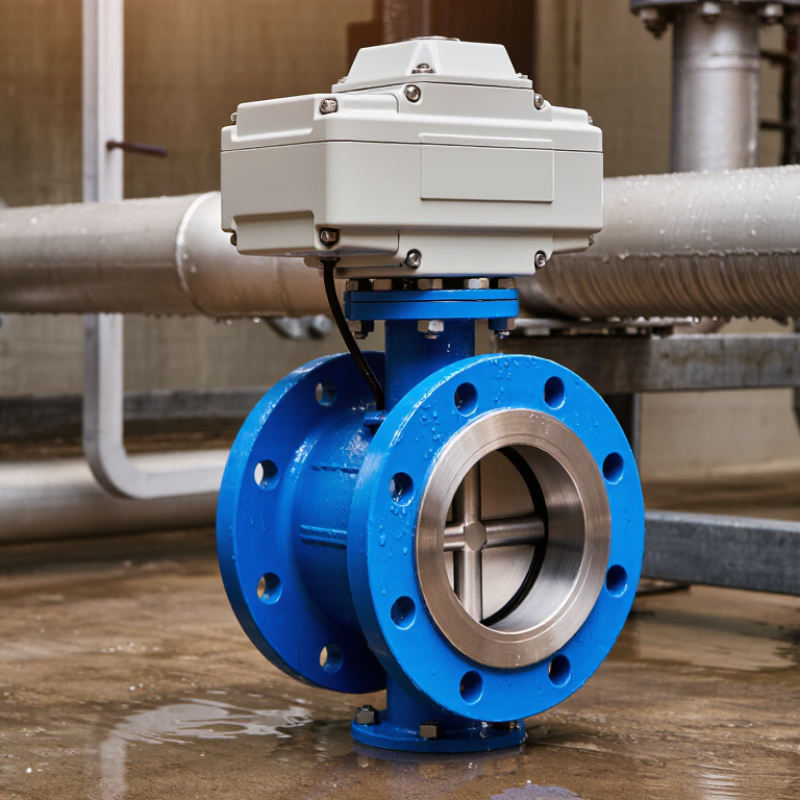
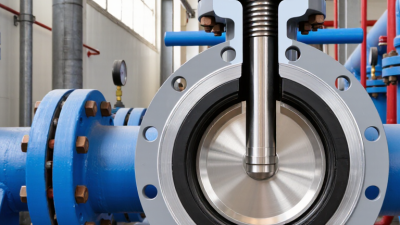
An IP67 butterfly valve is usually a butterfly valve fitted with an IP67-rated electric actuator or control enclosure. The term describes environmental protection, not the valve’s pressure class or flow capacity. Inside the valve, a circular disc rotates around a stem to regulate liquid or gas. The actuator turns that disc, often through a quarter-turn movement.
IEC 60529:2013 defines IP67 through two tests. The enclosure must be dust-tight, and it must withstand temporary immersion in water up to one metre for 30 minutes. This matters in outdoor pump stations, washdown areas, and humid treatment rooms. Imagine rain collecting around a cable gland. A properly sealed enclosure helps prevent water from reaching terminals and control boards. It does not make the complete valve suitable for permanent submersion.
Technicians should inspect the actuator gasket, cable entries, shaft coupling, and mounting interface. ISO 5211:2017 provides dimensional guidance for valve-actuator mounting, but it does not replace pressure or material selection standards. The valve body still needs suitable corrosion resistance, temperature limits, and seat compatibility. IP67 also cannot correct poor installation. A loose gland can defeat the rating quickly. In practice, the label is useful, but incomplete. I would verify the test certificate, installation position, and actual immersion conditions before specifying the valve. Testing assumptions often look cleaner than field conditions.
| Data Dimension | Verified Information | Practical Significance |
|---|---|---|
| Product definition | A butterfly valve uses a rotating disc to regulate or shut off fluid flow. “IP67” normally describes the protection rating of the valve’s electrical actuator, control enclosure, or related electrical component—not the pressure boundary of the valve body. | The valve and its actuator should be evaluated separately for flow control, pressure capability, sealing, and environmental protection. |
| Meaning of “IP” | IP means Ingress Protection. The rating is defined by IEC 60529 for enclosures and indicates protection against the entry of solids and water. | It provides a standardized way to assess enclosure protection instead of relying only on general terms such as “water-resistant.” |
| First digit: 6 | The first digit, 6, indicates a dust-tight enclosure. No ingress of dust is expected under the applicable test conditions. | This is suitable for dusty industrial areas when the enclosure remains correctly assembled and its cable entries, covers, and seals are maintained. |
| Second digit: 7 | The second digit, 7, indicates protection against temporary immersion in water under standardized test conditions, generally up to 1 metre for up to 30 minutes. | It can help protect the actuator or enclosure during short-term flooding, accidental submersion, or washdown-related incidents, subject to the manufacturer’s installation instructions. |
| Protection limitation | IP67 does not automatically indicate protection against high-pressure water jets, continuous underwater operation, chemical exposure, corrosion, or extreme temperatures. | Check whether an additional rating, material specification, coating, or enclosure design is required for the actual site conditions. |
| Valve operation | The disc rotates around a quarter-turn operating range. An electric or pneumatic actuator may be used for automated opening, throttling, or shutoff. | Quarter-turn operation supports compact installations and relatively fast actuation compared with multi-turn valve designs. |
| Typical applications | Common applications include water treatment, HVAC systems, irrigation, fire-protection water services, process utilities, and general industrial piping, provided the valve materials and ratings match the service. | An IP67 actuator can be useful where dust, moisture, or temporary flooding may affect electrical equipment. |
| Pressure and temperature | IP67 does not define the valve’s pressure class, nominal pressure, flow capacity, or operating temperature. These values depend on the valve design, materials, size, and applicable product standards. | Select the valve using service pressure, temperature, medium compatibility, connection standard, and required flow performance—not the IP code alone. |
| Installation requirements | Correct cable glands, conduit seals, cover fasteners, shaft seals, and mounting orientation are important for preserving enclosure protection. Damaged or incorrectly fitted seals can reduce the effective protection level. | Installation quality is essential; an IP67 marking does not compensate for open cable entries, loose covers, or improper maintenance. |
| Selection checklist | Confirm the required valve size, connection type, body and seat materials, pressure and temperature ratings, actuator torque, power supply, control signal, fail position, cycle frequency, and environmental conditions. | A complete specification prevents the IP rating from being treated as the only selection criterion and improves operational reliability. |
Why Choose IP67 Butterfly Valve?
How IP67 Protection Works in Butterfly Valves
An IP67 butterfly valve uses an enclosure designed to resist dust and temporary water immersion. The code follows IEC 60529 testing methods. The first digit, 6, means dust cannot enter under specified test conditions. The second digit, 7, indicates protection during immersion in water up to one meter for 30 minutes. This rating usually describes the actuator housing or electrical enclosure, not every valve component.
In practical installations, sealed cable glands, O-rings, and a protected shaft connection help maintain the enclosure’s integrity. A technician may inspect the cover seal after opening the actuator. Even a small cut can create a failure path. Water can also collect around horizontal cable entries. That detail is easy to miss. Correct mounting direction matters.
IP67 protection suits outdoor valve controls exposed to rain, washdown, and brief flooding. It does not automatically approve continuous underwater service, high-pressure jet cleaning, or corrosive chemicals. Those conditions need separate specifications and testing. From field experience, drainage, cable routing, and regular seal checks often matter as much as the rating itself. The label can be reassuring, perhaps too reassuring. A reliable selection also checks temperature, operating cycles, media compatibility, and enclosure aging. Test conditions are controlled; real sites are not.
IP67 butterfly valves protect critical flow-control equipment in wet, dusty environments. IEC 60529 defines IP67 as dust-tight protection and temporary immersion up to one metre for 30 minutes. That matters near washdown areas, outdoor pipelines, and wastewater facilities. During commissioning, technicians often find moisture entering through cable glands rather than the valve body. A properly sealed IP67 enclosure reduces this common weakness.
The design also supports practical maintenance. Butterfly valves use a compact disc and quarter-turn operation, requiring less installation space than many gate valves. Their lighter structure can reduce support requirements and handling time. A 2024 industrial valve market report from Global Market Insights estimates the broader market exceeded USD 80 billion in 2023, reflecting continued investment in automated flow control. IP67 protection helps preserve that investment when actuators face rain, dust, or accidental splashing. Small details matter.
However, IP67 does not guarantee corrosion resistance, pressure suitability, or long-term immersion. The rating is often misunderstood. Engineers must still verify seat material, shaft sealing, torque, temperature range, and pipeline pressure. An enclosure may pass the test while poor installation causes failure later. Correct cable routing, drain orientation, and periodic inspection remain essential. In harsh chemical service, IP67 alone may be insufficient. That is the part many specifications miss.
Why Choose IP67 Butterfly Valve?
Common Applications for IP67 Butterfly Valves
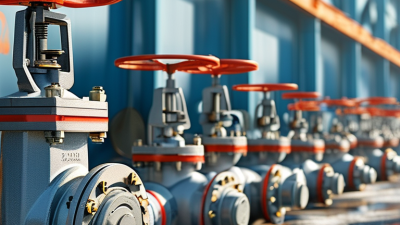
IP67 butterfly valves are often selected for areas exposed to dust, splashing water, and short-term immersion. Their protected actuator enclosures help reduce failures caused by moisture and fine particles. In wastewater plants, they control treated water, sludge lines, and drainage systems. Operators value compact installation and quick shutoff during maintenance.
Food and beverage facilities use them on water, cleaning, and non-aggressive process lines. Washdown routines can leave moisture around electrical connections. An IP67 enclosure adds useful protection, but it does not replace correct cable glands or inspection. In chemical processing, these valves can handle compatible liquids when the disc, seat, and shaft materials match the medium. Material selection matters more than the rating alone.
They also suit irrigation stations, marine equipment, and outdoor HVAC systems. Coastal air can accelerate corrosion, so coated components and stainless hardware may be necessary. Field maintenance often shows a simple truth: dust protection is helpful, but poor alignment still causes trouble. Do not assume IP67 means permanent underwater service. The rating usually covers temporary immersion under defined test conditions.
Before installation, technicians should confirm pressure class, temperature limits, flow direction, and actuator torque. A valve that works well in clean water may perform poorly with abrasive solids. Sediment can collect around the disc. Regular checks should examine seals, fasteners, wiring entries, and operating time. A careful application review prevents the common mistake of choosing enclosure protection without evaluating the entire valve assembly.
Choosing an IP67 butterfly valve starts with identifying what the rating actually protects. IP67 usually describes the actuator or electrical enclosure, not the valve body. It indicates protection from dust and temporary water immersion under defined test conditions. Check the test depth and duration. Real sites are less predictable.
Match the valve to the pipe system and operating medium. Confirm the nominal diameter, pressure class, temperature range, and required flow control. For clean water, resilient seats may be suitable. Abrasive slurries or corrosive chemicals may require different disc and lining materials. Material compatibility should be verified from technical data, not guessed from appearance.
Select the actuator according to torque, cycling frequency, and available power. A safety margin matters, but excessive oversizing can increase cost and stress. Ask whether the IP67 rating applies to the complete assembled unit. Cable glands, shaft seals, and mounting interfaces can weaken protection during installation. This detail is often overlooked.
Inspect the operating environment carefully. Outdoor cabinets may face standing water, vibration, salt spray, or sudden temperature changes. IP67 alone does not guarantee corrosion resistance or long-term reliability. Review applicable testing standards, pressure ratings, maintenance access, and replacement parts. A valve that fits the pipe may still be wrong for the process. Field feedback should influence the final choice, because catalog conditions rarely match every installation.