request to quote
Leave Your Message

Why Choose a Big Size Butterfly Valve for Industry?

In large industrial systems, valve selection affects flow control, maintenance time, and operational safety. A Big Size Butterfly Valve can manage substantial pipelines without demanding the space of many larger valve designs. Its compact body, lightweight disc, and quarter-turn operation make it practical for water treatment, power generation, chemical processing, and HVAC networks.

The advantages become clearer during installation. A large valve can fit between flanges with limited structural support. Its actuator can open or close the disc quickly, helping operators respond to changing process conditions. Modern resilient-seated and high-performance designs also support dependable isolation across various pressure and temperature ranges. However, performance depends on correct sizing, disc design, seat materials, and actuator selection. Bigger is not always better.

Field experience shows that installation details matter. Misaligned piping can increase seat wear. Poorly supported actuators may create unnecessary stress. Sediment can also affect sealing performance over time. Engineers should review flow velocity, pressure loss, media characteristics, maintenance access, and emergency requirements before approving a valve. Manufacturer data, inspection records, and recognized industry standards provide stronger evidence than marketing claims alone.

There is no universal solution. A Big Size Butterfly Valve may reduce project weight and cost, yet it can perform poorly when selected without accurate operating data. This article examines its practical benefits, technical limitations, and selection criteria. It also considers lessons from real industrial environments, where reliability often depends on small details. Clear decisions require evidence.

Why Choose a Big Size Butterfly Valve for Industry?

What Is a Big Size Butterfly Valve?

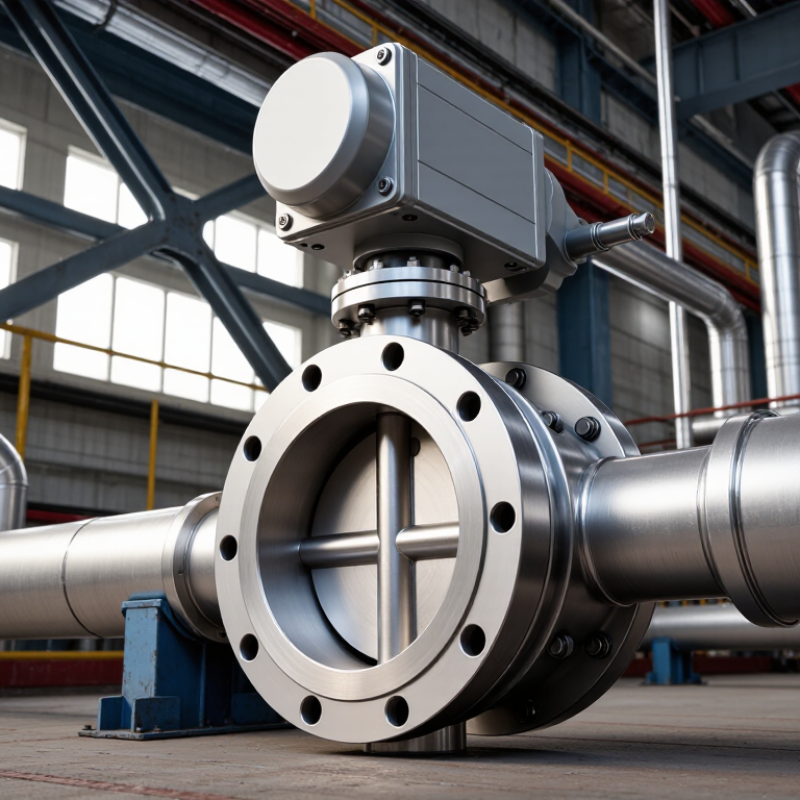
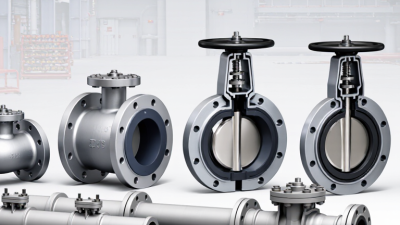
A big size butterfly valve is a quarter-turn valve designed for large pipelines. Its circular disc rotates around a central or offset shaft. This movement controls, isolates, or redirects fluid flow. “Big size” has no universal boundary. In practice, it often refers to valves above DN300, but project standards may differ. The valve body usually uses ductile iron, carbon steel, or stainless steel. Seat materials depend on pressure, temperature, and the handled medium.

These valves are common in water treatment, cooling systems, fire protection, and industrial process lines. Their compact body saves space compared with many larger gate valve designs. However, a large disc can create noticeable pressure loss when partly open. Operators should also consider torque, actuator capacity, flange alignment, and pipeline support. I have seen installations fail because the valve size matched the pipe, but the actuator could not handle actual operating conditions. The specification looked correct. The site disagreed.

Tips: Check the real flow rate, pressure, temperature, and medium before selection. Confirm the pressure rating and face-to-face dimension. Inspect the disc clearance inside the pipe. Leave enough room for actuator maintenance. A manual handle may suit moderate sizes, but larger valves often need gear or powered actuation. Do not assume the largest option is the safest one. A poorly sized valve can increase costs, vibration, and maintenance work.

How Big Size Butterfly Valves Work in Industrial Systems

Big size butterfly valves control large fluid volumes with a compact, quarter-turn mechanism. A circular disc rotates around a shaft inside the pipeline. When the disc aligns with flow, pressure loss remains relatively low. A 90-degree turn closes the passage and stops the stream. Electric, pneumatic, or hydraulic actuators supply the required torque.

Size changes the engineering challenge. A larger disc faces greater fluid force, especially during high-pressure operation. Engineers therefore check torque, shaft strength, seat wear, and actuator capacity under real operating conditions. API 609 provides recognized requirements for butterfly valve design and testing. Field commissioning also shows that poor alignment can cause uneven sealing, vibration, and premature leakage.

Water and process infrastructure increasingly depend on reliable flow control. The U.S. Environmental Protection Agency’s 7th Drinking Water Infrastructure Needs Survey estimates $625 billion in required investment over twenty years. That scale makes maintainable isolation equipment important. The International Energy Agency’s Energy Efficiency 2023 report also identifies industrial efficiency as a major path toward lower energy demand. Correct valve selection supports that goal by reducing unnecessary pumping resistance.

The design is not flawless. Oversizing can increase actuator costs and create unstable throttling. Undersizing can restrict flow and accelerate wear. A practical review should examine flow rate, pressure, temperature, media properties, maintenance access, and emergency requirements before purchase. Big does not automatically mean better.

Why Choose a Big Size Butterfly Valve for Industry?

Big size butterfly valves are commonly selected for large-diameter water, cooling, fire-protection, and process pipelines because they provide compact shut-off control with relatively low installation weight and space requirements.

The chart shows the theoretical water-flow capacity of pipelines from DN300 to DN1000 at a design velocity of 3 m/s. Values are calculated using Q = v × πD²/4 and converted to m³/h. Actual butterfly-valve flow depends on the valve bore, disc position, pressure drop, fluid properties, and system design.

Key Benefits of Using Large-Diameter Butterfly Valves

Why Choose a Big Size Butterfly Valve for Industry?

Large-diameter butterfly valves offer practical advantages in water, cooling, and process pipelines. Their compact body needs less space than many gate valve alternatives. This matters inside crowded pump rooms. A lighter valve can also reduce lifting requirements, support steelwork, and installation time. According to the U.S. EPA’s 2023 Drinking Water Infrastructure Needs Survey, American systems may require 625 billion dollars over 20 years. Reliable, economical flow-control equipment is becoming more important.

Key Benefits of Using Large-Diameter Butterfly Valves

A centered disc creates a short flow path and usually requires less operating torque. Electric or pneumatic actuators can therefore remain relatively compact. The U.S. Department of Energy’s Industrial Decarbonization Roadmap identifies process heating as roughly 51% of industrial energy use. Lower pressure loss can help reduce pumping or fan demand, although actual savings depend on pipe layout and operating conditions. Small details matter. Proper sizing prevents unstable control, excessive velocity, and premature seat wear.

Large valves are not automatically better. High-temperature service, abrasive slurry, severe cavitation, or frequent throttling may require another design. Engineers should check pressure class, liner compatibility, disc clearance, and actuator sizing against recognized standards, such as API 609 and ISO 5211. Field experience also exposes a common weakness: selecting by pipe diameter alone. That shortcut can create leakage or poor control. A careful review of operating data remains essential.

Why Choose a Big Size Butterfly Valve for Industry? - Key Benefits of Using Large-Diameter Butterfly Valves

Data Dimension Typical Large-Diameter Range or Value Industrial Benefit Engineering Consideration
Nominal Diameter DN600 to DN3000 and above Suitable for high-volume water, wastewater, cooling-water, irrigation, hydropower, and process-piping systems. The final size should be selected from the required flow rate, velocity, pressure loss, and available installation space.
Approximate Flow Area DN600: 0.283 m²
DN1200: 1.131 m²
DN2000: 3.142 m²
A larger nominal diameter provides substantially more flow area, helping transport high flow rates without using multiple parallel lines. Values are calculated from the nominal circular pipe area, A = πD²/4. Actual effective area depends on the disc, shaft, liner, and valve design.
Common Pressure Ratings PN6, PN10, PN16; ASME Class 150 designs are also available Provides options for low- to medium-pressure industrial and utility applications. Pressure rating depends on body material, disc design, seat construction, temperature, fluid, and applicable standard.
Typical Operating Temperature Approximately −20°C to 180°C for common resilient-seated designs Supports many water, air, mild chemical, and general utility services. Temperature limits vary significantly by seat and lining material. Metal-seated and high-performance designs may cover different ranges.
Flow-Control Function Quarter-turn isolation and throttling Fast operation and compact actuation make butterfly valves practical for large pipelines. For continuous throttling, the valve should be checked for cavitation, vibration, noise, disc loading, and control stability.
Face-to-Face Construction Short-pattern designs are commonly specified under EN 558 or equivalent standards Short face-to-face length reduces installation space and can simplify replacement in existing pipelines. The selected face-to-face dimension must match the pipeline standard and the existing valve or flange arrangement.
Installation Weight Generally lower than a same-size flanged gate or globe valve Lower mass can reduce support loads, lifting requirements, transportation effort, and structural costs. Actual weight depends on diameter, pressure class, body material, actuator type, gearbox, and accessories.
Actuation Angle Approximately 90° from fully open to fully closed Enables rapid shutoff and straightforward automation with electric, pneumatic, or hydraulic actuators. Large valves may require a gearbox or powered actuator because torque increases with pressure, diameter, seat friction, and fluid conditions.
Typical Body Materials Ductile iron, carbon steel, stainless steel, or fabricated steel Allows material selection for water service, corrosion resistance, mechanical strength, and operating temperature. Material compatibility must be verified against the fluid chemistry, chloride content, temperature, pressure, and external environment.
Common Disc Materials Ductile iron, carbon steel, stainless steel, or corrosion-resistant alloys Disc material can be optimized for strength, durability, erosion resistance, and corrosion performance. For abrasive or corrosive media, coating or alloy selection should be based on verified service conditions.
Seat Options EPDM, NBR, FKM, PTFE, or metal seats Different seat materials support a broad range of water, air, oil, chemical, and higher-temperature applications. Seat selection must consider fluid compatibility, temperature, pressure differential, sealing frequency, and required leakage class.
Pressure-Loss Advantage Potentially lower loss when correctly sized and fully open Lower resistance can reduce pumping energy and operating costs in high-flow systems. Pressure loss is application-specific and depends on the valve coefficient, disc profile, opening angle, flow velocity, and piping layout.
Maintenance Requirement Typically limited to inspection, actuator checks, flange checks, and seat or seal replacement when necessary Simple construction can reduce routine maintenance time compared with more complex multi-turn valve designs. Maintenance intervals should be established from cycle frequency, fluid cleanliness, corrosion, vibration, and operating history.
Relevant Design and Testing Standards Examples include ISO 10631, EN 593, API 609, EN 558, ISO 5208, and API 598 Recognized standards help define dimensions, design requirements, pressure testing, leakage limits, and inspection practices. The applicable standard depends on the project specification, jurisdiction, pressure class, valve type, and industry sector.
Note: The values shown are representative engineering ranges and reference values for selection guidance. Final valve sizing, materials, pressure limits, testing, and actuator requirements must be verified against the specific project conditions and applicable standards.

How to Select the Right Big Size Butterfly Valve

Why Choose a Big Size Butterfly Valve for Industry?

How to Select the Right Big Size Butterfly Valve

Selecting a big size butterfly valve starts with the pipeline, not the catalog. Check the line diameter, pressure rating, fluid temperature, and flow direction. Water, seawater, air, and abrasive slurry require different materials and seat designs. A valve handling clean water may use a resilient seat, while hot or abrasive service may demand a metal-seated design. Small details matter.

Measure the available space carefully. Wafer, lug, and flanged connections have different installation requirements. Confirm the face-to-face dimension before ordering. It prevents costly pipe changes later. For large diameters, operating torque can become substantial. Compare the valve torque with the actuator output, including a practical safety margin. Pneumatic, electric, and hydraulic actuators each suit different control conditions. Add position feedback when operators need reliable remote confirmation.

Review the pressure drop at the expected flow rate. An oversized valve may operate near its closed position, causing unstable control and unnecessary wear. An undersized valve can restrict production and increase energy use. Ask for material certificates, pressure-test records, and cycle-test results. These documents support traceability and dependable maintenance. In field work, I have seen teams trust nominal size alone. That assumption was convenient, but incomplete. Recheck the actual media chemistry, temperature changes, and emergency shutdown needs. A detailed selection sheet may still contain one overlooked condition. Industry experience says verification is worth the extra hour.

Industrial Applications and Maintenance Considerations

Why Choose a Big Size Butterfly Valve for Industry?

Large butterfly valves suit water networks, cooling circuits, wastewater lines, and bulk process systems. Their compact bodies reduce installation space and weight compared with many gate valve designs. In high-flow pipelines, a properly selected disc can control flow without excessive pressure loss. That matters because the International Energy Agency reported that industry consumed about 37% of global final energy in 2022. Small efficiency losses can become expensive across large pumping systems.

Maintenance requires more than checking whether the handle moves. Inspectors should examine seat deformation, stem alignment, flange bolts, corrosion, and unusual operating torque. The U.S. Department of Energy identifies pumping systems as major industrial electricity users, often consuming 25% or more of plant electricity. A sticking valve can force pumps to work harder. It may also create vibration upstream. Not every large valve should be fully closed for throttling. That mistake can damage the seat quickly.

Field teams should record opening position, pressure difference, cycle frequency, and leakage trends. ISO 5208 provides leakage-testing principles for industrial valves, while API 609 covers butterfly valve design and testing requirements. These references improve consistency, but site conditions still matter. Abrasive solids, temperature swings, and poor alignment can defeat a sound specification. Monthly visual checks help, yet critical lines need risk-based inspections and documented torque readings. In practice, maintenance records are often incomplete. That weakness deserves attention before failure occurs.