What Are the Top Types of Big Size Butterfly Valves?
Choosing the right Big Size Butterfly Valve requires more than comparing diameter, pressure class, and price. Large pipelines behave differently from small systems. Their weight, torque, flow velocity, and maintenance access can change the entire selection decision.
Valve engineer and author Philip L. Skousen writes, “The butterfly valve is a quarter-turn valve.” This concise observation explains its practical appeal. A large disc rotates through 90 degrees, allowing fast isolation with relatively compact equipment. However, compact does not mean simple. A 1,200-millimeter valve may require substantial actuator torque, reinforced supports, and careful alignment during installation.
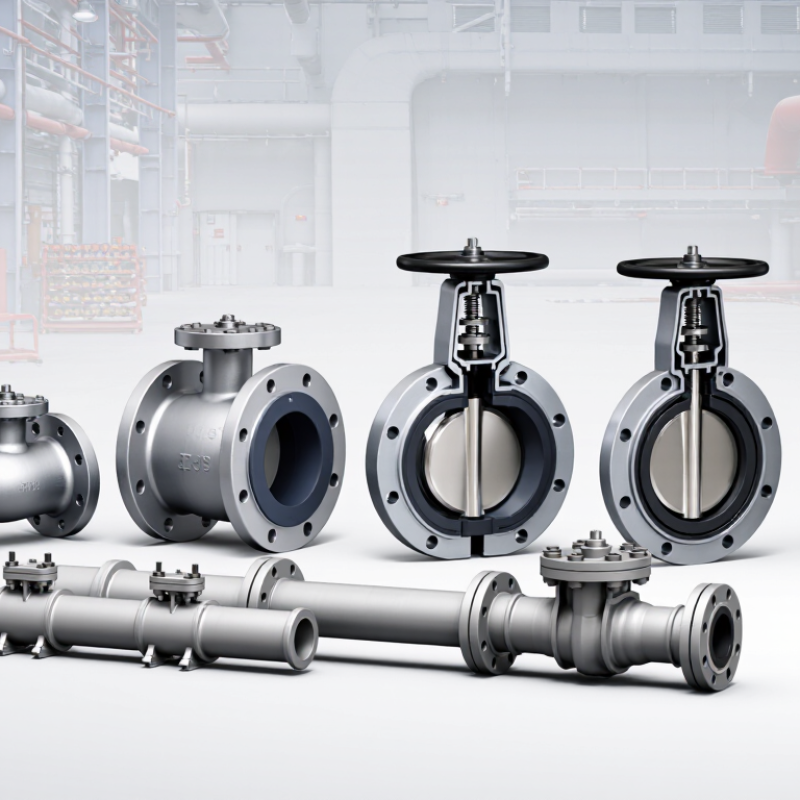
This guide examines the top types of Big Size Butterfly Valve, including wafer, lug, double-flanged, resilient-seated, high-performance, double-eccentric, and triple-offset designs. Each type suits different operating conditions. Wafer valves save space between flanges. Lug valves support sectional maintenance. Double-flanged valves provide stronger positioning in heavy pipelines. Triple-offset valves can handle demanding temperatures and tighter shutoff requirements.
Real field conditions matter. A valve installed beside a pump may experience vibration. A valve exposed to abrasive slurry may damage its seat quickly. Corrosive water can also punish an apparently suitable material. Small details matter.
Not every selection is perfect.
Engineers sometimes rely too heavily on catalog data. That approach can overlook cycling frequency, actuator failure position, pipeline stress, or future maintenance limits. Therefore, this overview compares construction, sealing performance, pressure control, materials, actuation, and installation needs. It aims to support a safer, more evidence-based decision for industrial water, energy, chemical, and process applications.
What Defines a Big Size Butterfly Valve?
What Are the Top Types of Big Size Butterfly Valves?
A big size butterfly valve is defined mainly by its nominal diameter, not its outside appearance. In many industrial projects, DN600, or 24 inches, is treated as a practical starting point. This boundary is not universal. Pipeline standards, pressure classes, and service conditions can change the definition.
Large valves have wide discs, heavy shafts, and high operating torque. Their bodies may use wafer, lug, or flanged connections. Wafer designs save space between flanges, while lug designs support easier section isolation. Flanged valves are often selected for larger systems requiring rigid alignment and convenient maintenance. These details matter during installation. A small alignment error can create serious disc interference.
The main operating types include concentric, double-offset, and triple-offset butterfly valves. Concentric valves suit many water and low-pressure services because their structure is simple. Double-offset designs reduce seal contact during opening, helping limit wear in larger pipelines. Triple-offset valves use a metal sealing arrangement and are considered for higher-temperature or more demanding duties. They usually require more careful engineering.
Big size selection also depends on actuator sizing, shutoff requirements, pressure drop, and emergency operation. A valve that works well at low pressure may perform poorly under high differential pressure. That assumption is easy to miss. Field inspections should check flange alignment, shaft condition, disc clearance, and actuator travel. Engineers should also review cycling frequency, because infrequent operation does not always mean low risk.
How Are Large Butterfly Valves Classified by Design?
Large butterfly valves are commonly classified by the relationship between the disc, shaft, and seat.
In a concentric design, the shaft passes through the disc center, and the disc presses against a resilient seat. This simple arrangement suits many water and low-pressure services. It is compact. For larger diameters, however, seat wear and operating torque deserve careful attention.
Double-offset valves shift the shaft from the disc center and seat plane. That geometry reduces rubbing as the disc opens, making these valves useful in demanding services with higher pressures or temperatures. Triple-offset designs add an angled seat, creating a cam-like motion that limits contact during operation. Many use metal seats for higher-temperature duties. The details matter. A metal seat may offer heat resistance, but it can require tighter control of installation and maintenance.
Wafer, lug, and flanged describe how a valve connects to piping, not its disc-and-seat design.
That distinction is easy to miss. For a large valve, engineers should check pressure rating, fluid properties, leakage needs, actuator torque, and available space. A valve that looks suitable on a drawing may behave differently under real flow conditions, so operating data and installation constraints should guide selection.
What Are the Main Types of Big Size Butterfly Valves?
Large butterfly valves are mainly classified as concentric, double-offset, or triple-offset designs. The distinction lies in how the disc moves and contacts the seat. In a concentric valve, the stem passes through the disc’s center, and the disc presses against a resilient seat. This arrangement is relatively simple and often suits water or other moderate-pressure services. At large diameters, however, seat condition and operating torque deserve close attention. A worn seat can mean leakage.
A double-offset valve shifts the stem from the disc center and pipe centerline. This reduces rubbing as the disc opens, making it a common choice for larger, higher-pressure pipelines. Triple-offset valves add an angled seating geometry, so the metal sealing surfaces separate quickly during opening. They are often selected for demanding temperatures or tighter shutoff needs, but installation and alignment still matter. Small errors can be costly. Wafer, lug, and flanged describe connection styles, not sealing designs. It is easy to focus on diameter alone; pressure, media, cycling frequency, and maintenance access can change which type makes sense.
What Are the Top Types of Big Size Butterfly Valves?
Common large butterfly valve designs include concentric, double-offset, and triple-offset types. The chart compares their defining offset counts: zero, two, and three, respectively. The appropriate design depends on factors such as pressure, temperature, fluid, and sealing requirements.
How Do Materials and Actuators Affect Valve Selection?
Large butterfly valves are commonly grouped as concentric, double-offset, and triple-offset designs. A resilient-seated concentric valve often suits water service and moderate temperatures. Double-offset designs reduce seat rubbing during operation. Triple-offset, metal-seated valves can handle higher temperatures, but require careful installation and sealing checks. The right type depends on pressure, temperature, flow, and shutoff requirements—not size alone.
Material choice starts with the fluid. Ductile iron is often used for water systems, while carbon steel may suit many general process services. Stainless steel can resist some corrosive media, but the correct grade depends on the fluid’s chemistry. Check the body, disc, shaft, and seat together; one compatible part cannot compensate for another that degrades.
Actuators matter, too. Gear operators suit slower manual control, electric actuators support remote operation, and pneumatic units can provide quick cycling. Confirm required torque at the actual pressure differential. A clean specification sheet can still miss site conditions. That matters.
Tips:
Compare fluid chemistry, temperature, pressure, and solids against every wetted material. Match actuator torque and control needs to the valve’s operating conditions. Test it first. When data is uncertain, ask an engineer to review the assumptions before ordering.
Where Are Different Large Butterfly Valve Types Used?
Where large butterfly valves are used depends on pressure, temperature, fluid, and how often the valve operates. Resilient-seated concentric valves are common in drinking-water, wastewater, and cooling-water networks. Their soft seats provide reliable shutoff in many moderate-duty services. AWWA C504 covers rubber-seated butterfly valves for waterworks applications. UNESCO’s 2019 World Water Development Report notes that global water use has grown by about 1% annually. That trend increases pressure on water infrastructure, but it does not mean every pipeline needs a larger valve.
Double-offset valves suit large transmission lines, pump stations, and HVAC systems, where reduced seat friction can support frequent operation. Triple-offset, metal-seated valves are used in higher-temperature or higher-pressure duties, such as steam and some process lines. They can offer tight shutoff, but the service conditions still matter. “Bigger” is not automatically better. A valve that fits the pipe may still be wrong for the flow, actuator, or maintenance plan.
Tips: Check the design pressure, temperature, fluid, and required shutoff class before selecting a type. Ask how the disc behaves at partial opening. That detail is easy to overlook, and it can affect vibration and wear.