2026 Best Butterfly Valve With Bypass for Global Buyers?
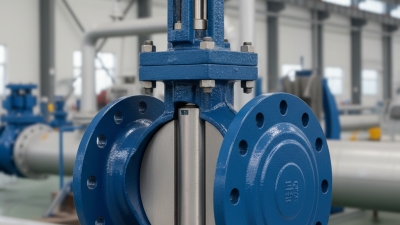
As the global demand for efficient fluid control solutions rises, the Butterfly Valve With Bypass emerges as a crucial component in various industries. This valve not only facilitates seamless flow management but also offers essential bypass capabilities. Such features are increasingly sought after by manufacturers and engineers aiming to enhance system efficiency.
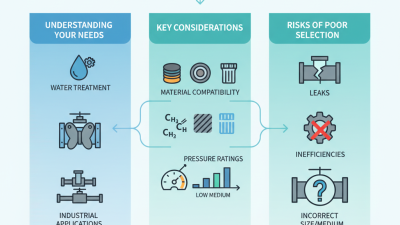
Choosing the right Butterfly Valve With Bypass is vital for ensuring operational reliability. It is important to consider factors like material quality, design specifications, and compatibility with existing systems. The diversity of options available can be overwhelming and may lead to confusion in selection. Not all valves perform equally, and users should remain aware of potential pitfalls in their choices.
Investing in a high-quality Butterfly Valve With Bypass can prevent costly downtime and enhance performance. Understanding the nuances of different products is critical. This article aims to provide insights into the best options for global buyers, fostering informed decisions while highlighting the importance of reliability and efficiency in fluid control systems.
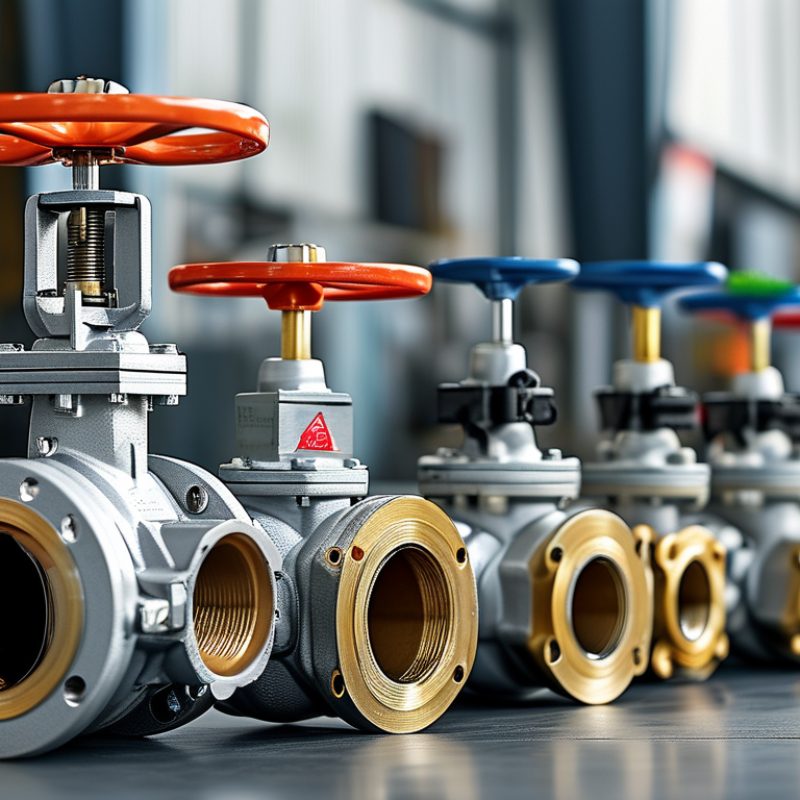
Overview of Butterfly Valves and Their Applications
Butterfly valves are essential in various industries. They work by rotating a disc to control flow. Their simple design allows for quick operation and easy maintenance. This makes them popular in water treatment, HVAC systems, and chemical processing. In these settings, controlling fluid flow is crucial for efficiency and safety.
One notable feature is the bypass option. This allows for flow to continue even when the main valve is closed. It provides a reliable way to manage pressure and flow without disrupting processes. Bypass butterfly valves are especially useful in systems requiring constant monitoring and adjustment. However, selecting the right size and type can be challenging. Poor choices may lead to leaks or inefficient operation.
Consider the installation environment carefully. Temperature, pressure, and fluid type all impact performance. Inconsistent performance may arise if these factors are overlooked. Regular maintenance is also key. Waiting too long between checks can lead to unexpected failures. Understanding these nuances helps ensure optimal operation and longevity of the valve.
2026 Best Butterfly Valve With Bypass for Global Buyers
| Model |
Size (inches) |
Material |
Connection Type |
Temperature Range (°C) |
Application |
| BV-1000 |
2 |
Stainless Steel |
Flanged |
-20 to 150 |
Water Treatment |
| BV-2000 |
3 |
Cast Iron |
Welded |
-10 to 120 |
Chemical Processing |
| BV-3000 |
4 |
PVC |
Socket |
0 to 60 |
HVAC |
| BV-4000 |
6 |
Aluminum |
Flanged |
-30 to 100 |
Food Processing |
| BV-5000 |
8 |
Carbon Steel |
Welded |
-20 to 200 |
Oil and Gas |
Understanding the Concept of Bypass in Butterfly Valves
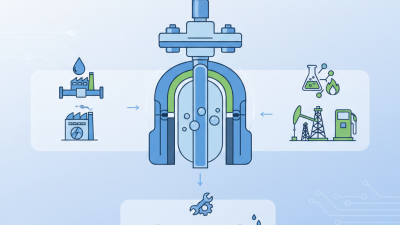
Butterfly valves are essential in managing flow within piping systems. A noteworthy feature is the bypass function, which allows for controlled flow even when the main valve is closed. This setup is critical in applications where fluid dynamics are complex and require continuous circulation. According to a recent market report, the global butterfly valve market is projected to grow significantly, estimating a CAGR of 6.3% through 2025.
The bypass offers operators flexibility and safety. When pressure builds up, the bypass can relieve this pressure without opening the main valve. This can prevent damage and leaks. However, attention to detail is crucial. If the bypass mechanism is not properly maintained, it can lead to failures. Industry reports indicate that about 15% of valve failures result from insufficient maintenance practices. Regular inspections and component checks are essential to ensure seamless operations.
Understanding the bypass mechanism enhances operational reliability. However, there are instances where the valve’s design can lead to issues. For example, turbulence created by the bypass can affect upstream processes. This highlights the need for thorough system analysis before installation. The balance between bypass utility and potential flow disruption requires careful consideration by engineering teams.
Factors to Consider When Selecting a Butterfly Valve with Bypass
When selecting a butterfly valve with a bypass, the focus should be on material quality and design efficiency. A well-constructed valve enhances durability and performance. Look for materials resistant to corrosion and wear. This ensures reliability under varying pressures and temperatures.
Consider the valve's operational requirements. Different applications may demand specific designs. Some may focus on flow control, while others prioritize quick shut-off capabilities. Matching the valve type with your specific needs is essential for optimal performance.
Tips: Always check for certifications and industry standards. Reliable valves meet stringent quality checks. Consult with professionals to assess your needs thoroughly. Remember, not all valves are created equal. Always verify compatibility with your pipeline system to avoid unexpected failures.
Top Manufacturers and Brands for Butterfly Valves in 2026
When selecting butterfly valves for industrial applications, it's crucial to focus on quality. The market is rich with many manufacturers renowned for their robust designs. This can influence operational efficiency significantly. Many top brands emphasize durability and reliability, features essential for high-performance systems. Many buyers often overlook the importance of valve specifications.
Tips: Evaluate the materials used in valve construction. Opt for stainless steel or high-grade plastic when possible. This choice can lead to enhanced longevity. Also, always consider the operating environment. Different settings require different valve types, so careful assessment is necessary.
Choosing the right butterfly valve involves thorough research. Compatibility with the existing system is key. A mismatch can lead to leaks or failures. Some users experience frustration when they realize a valve didn’t meet their needs. It’s wise to consult with professionals. Getting insights from experienced users can save both time and resources.
Future Trends in Butterfly Valve Technology and Market Demand
The butterfly valve market is evolving rapidly. A significant trend is the increasing demand for valves with bypass features. These designs ensure efficient flow control in applications where pressure management is critical. The adoption of smart technologies is becoming common. Smart butterfly valves integrate sensors that monitor conditions in real-time. This innovation not only enhances operational efficiency but also reduces maintenance costs.
Key industries, like water treatment and energy, are driving this demand. New environmental regulations push companies to adopt advanced solutions. However, not all manufacturers are keeping pace with these trends. Some still rely on outdated designs that do not meet modern standards. This gap in the market creates an opportunity for innovative companies. They can lead the way by offering enhanced products tailored to changing needs.
Customer feedback plays a crucial role in shaping future designs. Companies must learn from real-world applications. Gathering insights from users can inform improvements in functionality and reliability. There is still much to explore in butterfly valve technology. As the market grows, collaboration between engineers and end-users will be vital for success in this competitive landscape.
2026 Best Butterfly Valve Market Analysis