2026 Best Double Flange Butterfly Valve for Global Buyers?
As the global demand for efficient fluid control solutions grows, the Double Flange Butterfly Valve has emerged as a notable product. These valves are pivotal in various industries, including water treatment, oil and gas, and HVAC systems. Their design allows for quick operation and ease of maintenance, making them preferred choices for many engineers.
In 2026, we anticipate a competitive market for the Double Flange Butterfly Valve. Buyers should prioritize reliability and performance when selecting manufacturers. There may be variations in quality, which can lead to unforeseen challenges. Researching reputable suppliers will help avoid issues such as leaks or poor sealing.
It is essential to consider both local and international standards that govern these products. Understanding the specifications and certifications applicable in your region can prevent costly mistakes. The right choice can significantly influence operational efficiency. However, the learning curve involved in navigating available options may present difficulties. It is crucial to engage with knowledgeable professionals in the field.
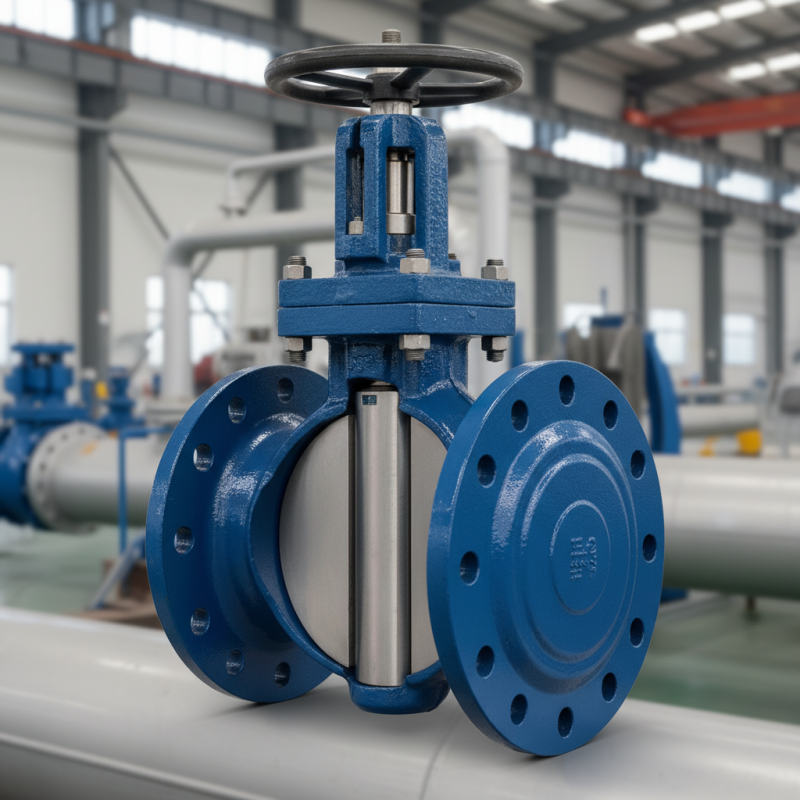
Overview of Double Flange Butterfly Valves and Their Applications
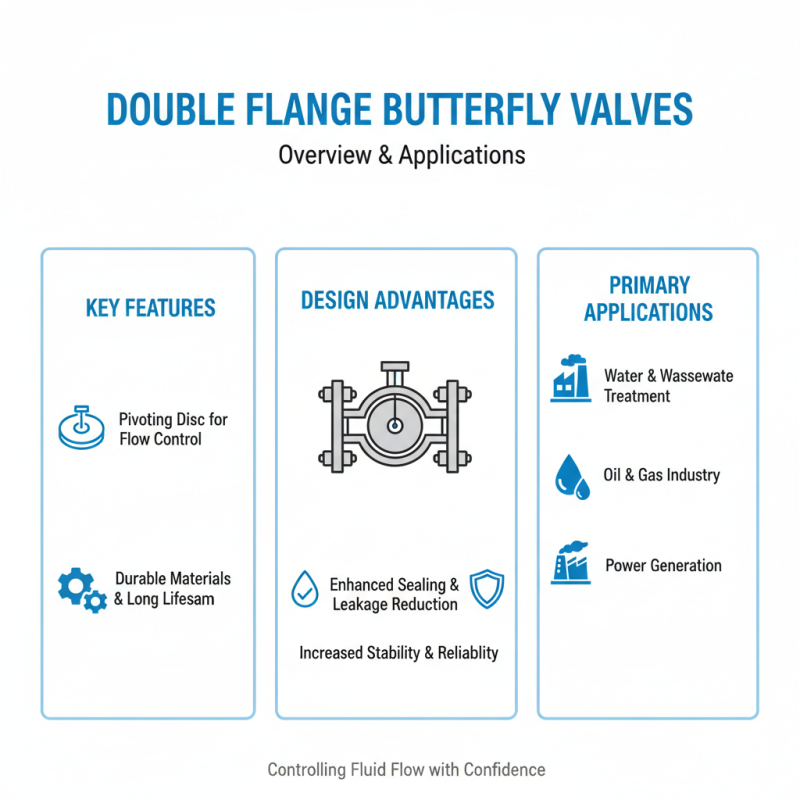
Double flange butterfly valves are essential in various industries, offering a reliable solution for controlling fluid flow. These valves consist of a circular disc that pivots to open or close the flow path. They are typically made from durable materials, ensuring a long lifespan. Reliable sealing is crucial, and a double flange design improves stability and reduces leakage.
Applications for double flange butterfly valves are diverse. They are widely used in water treatment, HVAC systems, and chemical processing. Their ability to manage high pressure and large volumes makes them suitable for industrial applications. However, improper installation can lead to issues. Careful consideration of the operating environment is necessary.
In some cases, buyers may overlook the importance of selecting the right valve size. A poorly matched valve can cause inefficiencies. Ensuring compatibility with existing systems is vital. Additionally, maintenance can be tricky. Regular checks help prevent unexpected failures, underscoring the need for proper training. Understanding these details will enhance the reliability of these critical components.
Key Features to Consider When Selecting a Butterfly Valve
When choosing a double flange butterfly valve, several key features must be considered. The construction material is crucial. Typically, valves can be made of stainless steel, cast iron, or PVC. Each material has its own strengths, especially in terms of corrosion resistance. According to industry reports, stainless steel valves are favored in chemical processing due to their durability and long lifespan. In contrast, cast iron valves excel in waterworks systems but may be prone to rust.
The valve's design and actuator type also matter. Manual and automated actuators serve different applications. Research indicates that automated actuators improve efficiency by 25% in large-scale operations. Seat material is another critical aspect; options include elastomers and PTFE. Each seat choice affects performance under varying pressure and temperature conditions.
Additionally, the valve size and flow rate capability are essential to ensure compatibility with existing systems. A mismatch can lead to inefficiencies and increased operational costs. Though many manufacturers provide standard sizes, custom solutions may be required based on specific requirements. It's important to evaluate the long-term implications of each choice, as initial savings can sometimes lead to higher maintenance expenses later.
Top Manufacturers of Double Flange Butterfly Valves in 2026
In 2026, the demand for double flange butterfly valves continues to rise. These valves are essential in various industries, from water treatment to oil and gas. Their design allows for efficient flow regulation, which is crucial for system performance. Leading manufacturers are focusing on durability and efficiency, ensuring their products meet rigorous standards.
Quality assurance is key for manufacturers aiming to excel in the competitive global market. Many companies invest in advanced materials and innovative technology to enhance valve performance. However, not all products consistently meet expectations. Some valves face issues like sealing failures or operational fatigue. Buyers need to conduct thorough research to identify reliable suppliers.
Understanding specific application needs can lead to better purchasing decisions. The right valve not only improves system efficiency but also offers long-term durability. It's important to balance cost with quality. An informed choice can save future maintenance costs. Keep in mind that not all manufacturers provide the necessary after-sales support. Regular evaluations of supplier performance are essential for sustainable operations.
2026 Best Double Flange Butterfly Valve Market Share
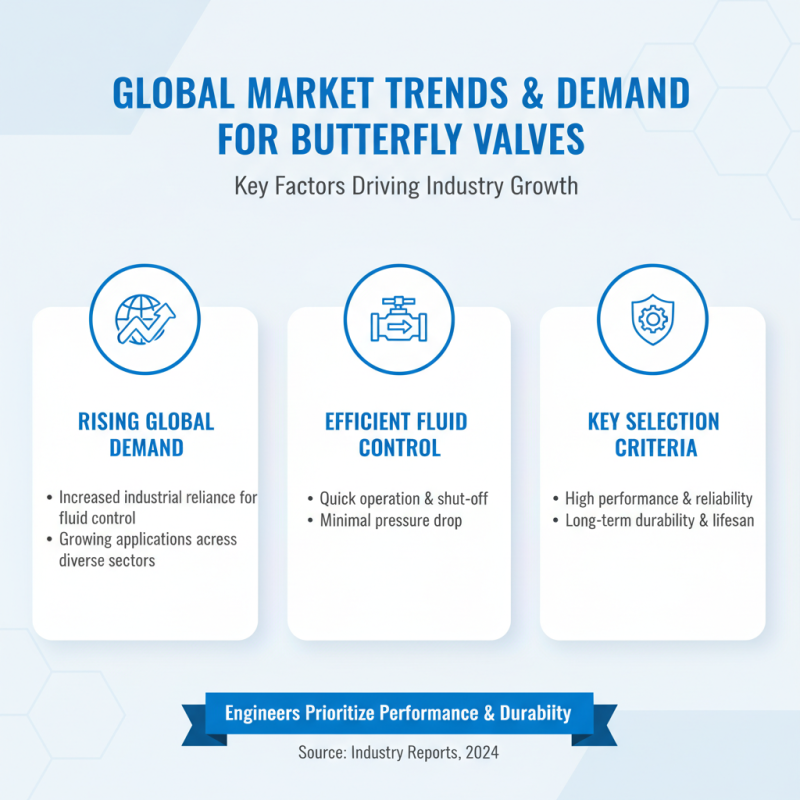
Global Market Trends and Demand for Butterfly Valves
The global demand for butterfly valves is on the rise. Many industries rely on these valves for efficient fluid control. Their design allows for quick operation and minimal pressure drop. As a result, industries are looking for reliable options in the market. Engineers often cite performance and durability as key factors in their selection process.
Market trends indicate a growing preference for double flange butterfly valves. These valves provide enhanced sealing and support, making them ideal for challenging environments. In sectors such as water treatment and petrochemical, the need for robust, efficient solutions is critical. However, with increased demand comes the challenge of sourcing high-quality products. Not all manufacturers meet stringent quality standards.
While many manufacturers claim to offer the best products, not all deliver on those promises. Buyers need to research and verify suppliers' reputations. Investing time in understanding product specifications can prevent future headaches. The butterfly valve market calls for a balance of quality and cost-effectiveness. Striking this balance may require additional effort and scrutiny.
Maintenance and Installation Best Practices for Butterfly Valves
Proper maintenance of butterfly valves is crucial for optimal performance. Regular inspections help catch early signs of wear and corrosion. During these checks, pay close attention to the seat and disc. Even small abrasions can lead to significant leaks. Use a flashlight to inspect hard-to-reach areas. Replace seals when necessary to maintain integrity.
Installation requires careful alignment. Misalignment can cause uneven wear and operational issues. It's important to securely fasten all bolts. Over-tightening can lead to damage, while loose connections can result in failures. Consider using a torque wrench to ensure precise measurements.
Finally, be mindful of the operating environment. High temperatures and aggressive media may require more frequent checks. Documenting each maintenance session can help track the valve’s performance over time. This practice encourages a proactive approach to valve care, improving lifespan and reliability. Engaging with maintenance records can reveal patterns that suggest potential issues.
2026 Best Double Flange Butterfly Valve for Global Buyers - Maintenance and Installation Best Practices for Butterfly Valves
| Valve Size (inches) |
Material |
Pressure Rating (psi) |
Temperature Range (°F) |
Installation Type |
Maintenance Frequency |
| 2 |
Cast Iron |
150 |
32 to 180 |
Flanged |
Annual |
| 4 |
Stainless Steel |
300 |
0 to 250 |
Flanged |
Biannual |
| 6 |
PVC |
150 |
32 to 140 |
Socket Weld |
Every 3 Years |
| 8 |
Ductile Iron |
250 |
-20 to 200 |
Flanged |
Annual |
| 10 |
Carbon Steel |
600 |
-40 to 400 |
Flanged |
Every 2 Years |