Why Choose Zero Leakage Butterfly Valves for Your Business?
Choosing the right valve for your business is crucial. One standout option is the Zero Leakage Butterfly Valve. This valve type ensures minimal leakage, enhancing the efficiency of various systems. Many industries face challenges like fluid loss and maintenance costs. The Zero Leakage Butterfly Valve addresses these issues with its reliable design.
These valves operate with a simple mechanism, yet they offer superior performance. They help reduce waste and save money. Manufacturers trust them for their durability and effectiveness. However, it’s essential to evaluate specific needs. Not every application may require zero leakage capabilities. Reflecting on operational demands can lead to better decisions.
Investing in a Zero Leakage Butterfly Valve may seem straightforward, but it is critical to weigh the pros and cons. Understanding your system’s requirements will allow for more informed choices. Quality valves can make a significant impact, but incorrect selections may lead to operational issues. Emphasizing careful consideration is vital for successful implementation.
Understanding Zero Leakage Butterfly Valves and Their Functionality
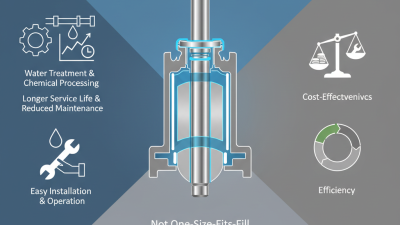
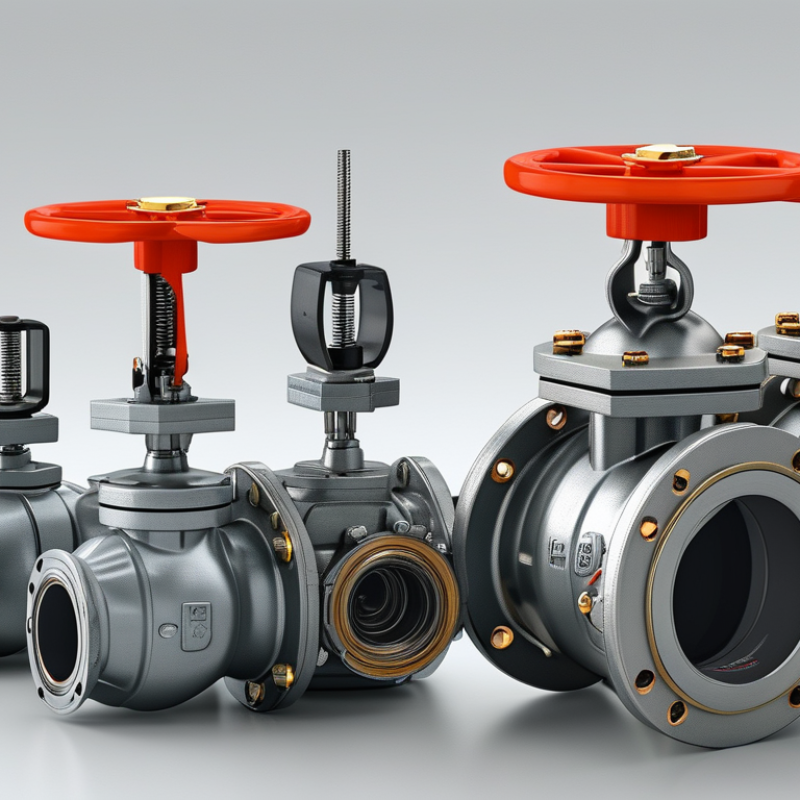
Zero leakage butterfly valves are crucial for many industries. These valves offer a reliable solution for controlling the flow of liquids and gases. Unlike traditional valves, they provide a tight seal that prevents any leakage, making them ideal for applications where precision is vital. This functionality enhances safety and efficiency in systems ranging from water treatment to chemical processing.
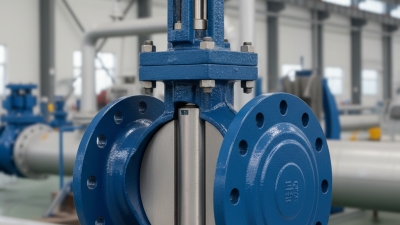
The design of zero leakage butterfly valves maximizes performance. Their lightweight structure allows for easy installation and maintenance. The disc rotates to regulate flow, ensuring it quickly adapts to changing demands. However, achieving absolute zero leakage can be challenging. Factors such as wear and tear can impact performance over time, demanding regular inspections. Businesses must commit to routine maintenance to ensure longevity and reliability.
In selecting these valves, companies must consider their specific needs. While zero leakage is a significant benefit, the initial cost is higher than some alternatives. Balancing cost against long-term savings is essential. With the right approach, zero leakage butterfly valves can enhance operational integrity and efficiency in your systems.
The Importance of Leakage Prevention in Industrial Applications
Leakage can lead to significant operational challenges in industrial environments. Preventing leaks is crucial for efficiency and safety. Zero leakage butterfly valves are designed to address these issues effectively. They provide a tight seal, which reduces the risk of fluid loss and contamination. This effectiveness enhances process reliability across various industries.
In many settings, leaks can create hazardous situations. They might result in costly downtimes or unsafe working conditions. A small leak can escalate into a major failure if not contained. Zero leakage butterfly valves minimize this risk and ensure compliance with safety regulations. Their reliable performance can protect equipment and maintain the integrity of fluid systems.
Using these valves means investing in long-term solutions. However, it’s vital to consider factors like maintenance and the specific application. Some users report challenges with installation in tight spaces. Others may find it difficult to source replacement parts. Businesses must evaluate these aspects to make informed decisions.
Key Advantages of Using Zero Leakage Butterfly Valves
Zero leakage butterfly valves are gaining traction in various industries due to their significant advantages. A recent report highlights that these valves can achieve a leakage rate of as low as 0.1% at full differential pressure. This is crucial for operations requiring strict control over fluid dynamics. In chemical processing, for instance, even minimal leaks can lead to substantial financial losses and safety hazards.
Their design also offers enhanced durability and reduced maintenance needs. Data suggests that the lifespan of zero leakage butterfly valves can exceed 20 years. This longevity reduces the frequency of replacements. In energy sectors, where downtime can cost thousands of dollars per hour, these valves provide a reliable solution. They ensure that operations remain uninterrupted, ultimately leading to improved profit margins.
Moreover, the installation process is typically straightforward, requiring fewer components than traditional valves. This efficiency is appealing for companies looking to streamline their operations. However, it’s essential to ensure that these valves are correctly sized for specific applications. Incorrect sizing can still lead to issues like cavitation or operational inefficiencies. Therefore, while zero leakage butterfly valves offer many benefits, careful consideration during selection is paramount.
Key Advantages of Using Zero Leakage Butterfly Valves
Factors to Consider When Selecting Butterfly Valves for Your Business
When selecting butterfly valves for your business, consider several important factors to ensure optimal performance. First, evaluate the operational environment. High-pressure applications may require robust valve designs. Ensure the material can withstand corrosion and wear. Non-corrosive options may be necessary for certain industries.
Tips: Always assess your operational temperatures. High temperatures can affect valve sealing and materials.
Another key aspect is the valve's leakage specification. Zero leakage butterfly valves are ideal for applications needing tight sealing. This reduces the risk of environmental contamination. Take the time to review the specifications linked to leakage rates.
Tips: Verify certifications from a trusted testing authority. This information establishes the reliability of the valve.
Finally, think about maintenance requirements. Some valves need regular servicing, while others are more forgiving. A valve with lower maintenance needs might reduce long-term costs. Balance your initial investment against potential savings over time.
Tips: Create a maintenance schedule to avoid unexpected downtimes. A proactive approach ensures efficiency and reliability in operations.
Industry Applications Where Zero Leakage Butterfly Valves Excel
Zero leakage butterfly valves are becoming essential in many industries. Their design is particularly useful in sectors like water treatment, oil and gas, and chemical processing. These valves maintain tight sealing, reducing the risk of leaks. This feature minimizes environmental impact and enhances safety, which is critical in high-stakes applications.
In the water treatment industry, for example, zero leakage butterfly valves help control flow and maintain system integrity. They effectively prevent contamination from external sources. In oil and gas, they ensure that harmful substances do not escape into the atmosphere. Such control is vital for compliance with environmental regulations.
However, while zero leakage butterfly valves excel in many applications, their installation and maintenance require expertise. Improper handling can lead to inefficiencies. Organizations must train staff thoroughly to ensure proper use. Investing in quality valves is necessary, but so is investing in staff education. Adopting these processes can lead to improved performance and reliability in your operations.
Why Choose Zero Leakage Butterfly Valves for Your Business? - Industry Applications Where Zero Leakage Butterfly Valves Excel
| Application Industry |
Benefits of Zero Leakage |
Typical Media |
Operating Temperature (°C) |
Pressure Range (Bar) |
| Water Treatment |
Prevents leaks, ensures quality control |
Water, Chemicals |
0 to 50 |
1 to 10 |
| Oil & Gas |
Minimizes blowouts and environmental hazards |
Crude Oil, Natural Gas |
-20 to 100 |
0 to 20 |
| Food and Beverage |
Ensures sanitation and product integrity |
Juices, Soft Drinks |
0 to 80 |
1 to 6 |
| Pharmaceuticals |
Critical for contamination prevention |
Solvents, Biologics |
0 to 60 |
0 to 8 |
| HVAC |
Improves system efficiency and reliability |
Air, Refrigerants |
-10 to 50 |
0 to 5 |