How to Choose the Right Big Size Butterfly Valve for Your Needs?
Choosing the right Big Size Butterfly Valve can significantly impact your system’s performance. These valves play a crucial role in fluid control and can affect efficiency. Understanding your specific needs is essential.
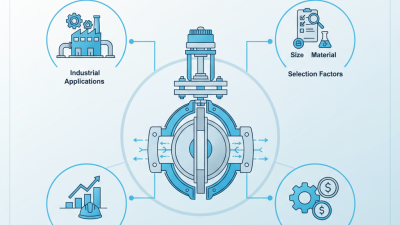
When selecting a Big Size Butterfly Valve, consider factors like pressure rating, material, and size. Each application may require a different valve type. The wrong choice can lead to inefficient operation or even failure.
It’s vital to consult with experts in the field. Their knowledge can help navigate the complexities of valve selection. Doing thorough research and asking the right questions will lead to better decisions. Remember, the right valve isn’t just about specifications; it’s about understanding your unique requirements and constraints.
Choosing the Right Size Based on Application Requirements
When selecting a big size butterfly valve, understanding application requirements is crucial. A valve's size directly impacts flow characteristics. According to industry reports, about 30% of system failures stem from incorrect valve sizing. This emphasizes the importance of careful selection. Valves should align with the specific needs of the system.
Consider factors such as pressure, temperature, and medium characteristics. For instance, a valve operating in a high-temperature setting may require specific materials. Data indicates that improper sizing can reduce efficiency by up to 25%. These details guide engineers in making informed decisions.
Moreover, consultation with design engineers can offer insights. Many professionals find they struggle with sizing due to lack of experience. Relying solely on past projects may lead to mistakes. It’s essential to analyze each application distinctly. New technology in performance simulations can aid this process. Adopting these practices encourages better outcomes in valve selection.
How to Choose the Right Big Size Butterfly Valve for Your Needs?
| Application |
Diameter (inches) |
Pressure Rating (PSI) |
Material |
Actuation Type |
| Water Treatment |
12 |
150 |
Cast Iron |
Manual |
| HVAC Systems |
10 |
300 |
Stainless Steel |
Electric |
| Chemical Processing |
14 |
150 |
PVC |
Pneumatic |
| Oil & Gas |
16 |
400 |
Carbon Steel |
Hydraulic |
| Irrigation |
8 |
150 |
Aluminum |
Manual |
Understanding Different Butterfly Valve Types and Designs
When selecting a big size butterfly valve, it's essential to understand the types and designs available. Butterfly valves offer various configurations, including resilient seated, double offset, and triple offset designs. Each type has unique advantages. For instance, the double offset valve minimizes wear on the seat, extending its lifespan. According to a 2022 industry report, nearly 45% of operators prefer double offset valves for their enhanced performance in high-pressure settings.
Another consideration is the valve material. Common materials include cast iron and stainless steel. The choice significantly impacts durability and corrosion resistance. Stainless steel valves are typically favored in harsh environments. Research indicates that they can outperform their cast iron counterparts by 15% in terms of longevity. However, choosing stainless steel may raise upfront costs, which could be a hurdle for some projects.
Moreover, size and flow characteristics play a crucial role. It's important to match the valve's size with the pipeline to ensure optimal flow rates and minimize pressure drops. An analysis of market trends showed that improper sizing leads to a 30% efficiency loss in many systems. This highlights the need for careful planning and understanding specific requirements. Miscalculating system needs may result in frequent maintenance or replacement.
Butterfly Valve Types and Their Applications
Evaluating Materials and Construction for Durability and Compatibility
Choosing the right materials and construction for a big size butterfly valve can enhance durability and compatibility. The valve body materials are crucial. Common choices include stainless steel and ductile iron. Stainless steel offers excellent corrosion resistance. Ductile iron is strong but may require protective coatings for certain environments.
When considering construction, pay attention to the design of the seat and disc. A well-designed disc can improve flow control and reduce turbulence. The seat material should withstand the operational pressure and temperatures you expect. Sometimes, manufacturers cut corners on these materials, compromising performance. Regular inspections can help you catch these issues early.
Compatibility with your system is vital. Different fluids and gases react uniquely with various materials. Failure to consider this can lead to catastrophic results. Ensure that the valve's materials align with the substances it will handle. This oversight can lead to unexpected maintenance costs. Reflecting on past experiences with material compatibility helps refine your choices.
Assessing Pressure and Temperature Ratings for Optimal Performance
When selecting a big size butterfly valve, understanding pressure and temperature ratings is crucial. These ratings determine how well the valve will perform under specific conditions. High pressure can lead to valve failure if not evaluated correctly. Similarly, temperature ratings dictate the materials used and their durability. Choosing a valve rated for higher pressures than required can enhance safety, but might increase costs unnecessarily.
Evaluate the fluid being controlled. Some fluids, like steam, require special consideration due to their temperature and pressure characteristics. This can complicate valve selection. Material choice becomes essential here. Stainless steel may be needed for corrosive fluids. However, using inappropriate materials can lead to premature wear or even catastrophic failure.
Consider the environment where the valve will be installed. Extreme temperatures can affect performance. A cold environment may cause materials to become brittle, while high heat can lead to deformation. Yet, it's easy to overlook these factors during initial assessments. Take the time to conduct thorough research and consult with professionals. Their expertise can help in making informed choices that align with your operational needs.
Matching Valve Features to Your System Specifications and Needs
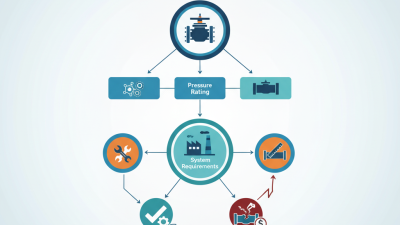
When selecting a big size butterfly valve, understanding system specifications is crucial. Proper compatibility ensures optimal performance. According to industry reports, 70% of valve failures result from mismatched specifications. A reliable valve must align with factors such as pressure, temperature, and flow rate. These parameters are essential to ensure durability and efficiency.
Consider pressure ratings first. A valve with a pressure rating significantly below expected system pressure can lead to leaks or failure. Additionally, temperature limits should match the process conditions. Many experts recommend checking the media type, as corrosive substances require specialized materials.
Flow characteristics also play a vital role. Valves should provide the appropriate Cv value for your application. This dictates flow efficiency. It’s essential to review the actuator type as well; whether manual or automated can impact response time and control precision. Oversizing can lead to turbulence, while undersizing may not meet demand. Regular evaluations on valve performance can uncover inadequacies, leading to improved system reliability.