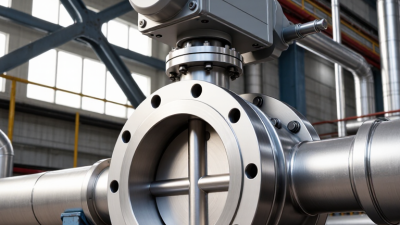
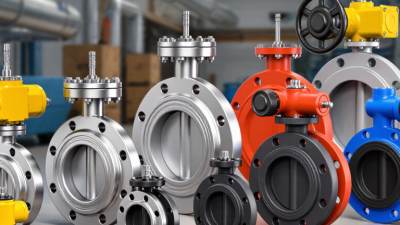
How to Choose the Right Dry Shaft Butterfly Valve?
Choosing the right Dry Shaft Butterfly Valve begins with the service conditions, not the catalogue photograph. A dry shaft keeps the stem and upper bearing isolated from the process fluid, which can reduce corrosion risks in suitable installations. However, “dry” does not automatically mean maintenance-free. Media chemistry, pressure, temperature, pipe orientation, and cycling frequency still influence performance.
The U.S. Environmental Protection Agency’s 7th Drinking Water Infrastructure Needs Survey and Assessment estimates that the United States will require about $625 billion for drinking water infrastructure from 2021 to 2040. This figure highlights the value of durable, serviceable valve equipment. In water treatment plants, a poorly selected valve can create visible problems: stiff operation, damaged elastomers, leakage around the disc, or difficult actuator access. The American Water Works Association also emphasizes material compatibility, pressure rating, and operational reliability in water-control applications.
Look beyond the body material. Check the liner, disc alloy, shaft design, seat rating, and applicable standards, including ISO 5211 for actuator mounting and API 609 where relevant. Then compare the valve’s shutoff class with the real duty cycle. A valve for clean water may not suit abrasive slurry or chemically aggressive wastewater. That mistake is common.
Ask practical questions. Will the shaft remain accessible? Can the seat be replaced on-site? Does the supplier provide tested torque data and traceable documentation? Manufacturer claims deserve verification through test certificates, inspection records, and field experience. The best choice balances total lifecycle cost, safety, maintainability, and process reliability—not merely the lowest purchase price. And sometimes, the first specification needs revision.
Define Service Conditions: DN, PN 6–40, Temperature, Media, and Flow Rate
Choosing the right dry shaft butterfly valve starts with service conditions, not valve appearance. Confirm the pipeline DN, or nominal diameter, from approved drawings and field measurements. A DN100 line may still contain unusual wall thickness or lining. Measure the line. Do not guess.
PN 6–40 identifies pressure classes, but PN is not universal working pressure at every temperature. Check the pressure-temperature chart for the selected material. Record normal pressure, maximum pressure, pressure surges, and possible vacuum conditions. A hot steam line can reduce the allowable pressure considerably. Select a rating above the real operating range, not merely the average reading. PN40 is not automatically better; it may increase weight, cost, and operating torque.
Describe the medium precisely. Is it clean water, air, chemicals, slurry, or a gas containing solids? Note temperature, pH, chlorides, particle size, and concentration. These details affect the seat, disc, shaft, and sealing materials. A dry shaft design keeps the shaft isolated from the medium, but that does not guarantee compatibility everywhere. Confirm the design carefully.
Flow rate also matters. Provide minimum, normal, and maximum flow, plus expected velocity. Calculate pressure loss and required actuator torque at each condition. An oversized valve may control poorly, while an undersized valve creates unnecessary loss. Real service varies. Field data is sometimes incomplete, so document every assumption and verify performance during commissioning.
Match Valve Design to Duty: Wafer, Lug, and Flanged Types Under API 609
Choosing a dry shaft butterfly valve starts with the pipeline duty, not the catalog picture. Under API 609, the valve should match the required pressure class, temperature range, materials, testing, and installation method. A dry shaft design keeps the stem area separated from the process fluid, which can reduce contamination and improve service reliability.
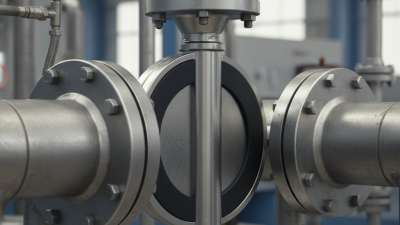
Wafer valves sit between two flanges. They are compact, light, and often economical for clean, space-limited systems. However, they depend on both pipeline flanges for support. Removing one side may be unsafe unless the valve design permits it. Check flange alignment carefully. A small offset can damage the seat during tightening.
Lug valves use threaded inserts or drilled lugs for independent bolting. This design supports easier maintenance and may suit dead-end service when API 609 requirements and the manufacturer’s rating allow it. Flanged valves use full flange connections, adding weight and cost, but they simplify alignment and provide strong support for larger or higher-load pipelines. Field teams should compare bolt access, actuator clearance, gasket compression, and available lifting space. Torque matters too. An oversized actuator can stress the stem, while insufficient torque may prevent tight shutoff.
The choice is not always obvious. A cheaper wafer valve may create costly maintenance problems later. Review actual flow conditions, not only nominal pipe size. Mistakes happen when the installation is treated as an afterthought.
How to Choose the Right Dry Shaft Butterfly Valve?
Match the valve body style to the installation duty under API 609. The chart shows typical connection and maintenance characteristics of wafer, lug, and flanged butterfly valves.
A value of 1 indicates that the feature is typically associated with the body style; a value of 0 indicates that it is not typical. Actual pressure rating, shut-off capability, materials, and dead-end suitability must be confirmed from the valve manufacturer’s API 609 datasheet.
Select Shaft and Seat Materials for Pressure Ratings up to Class 150
How to Choose the Right Dry Shaft Butterfly Valve?
For pressure ratings up to Class 150, shaft and seat materials need careful matching. Class 150 is not a fixed 150 psi rating. Allowable pressure changes with temperature and material. Check the pressure-temperature table for the complete valve assembly, not the body alone.
In a dry shaft design, the shaft should remain isolated from the process fluid. Stainless steel, such as 316, often suits water, mild chemicals, and humid service. For higher mechanical loads, precipitation-hardened stainless steel may offer better strength. However, stronger does not always mean more corrosion-resistant. Chlorides can still create problems.
Seat selection depends on chemistry, temperature, and cycling frequency. EPDM works well with water and many dilute aqueous fluids, but it is unsuitable for many oils and hydrocarbons. NBR handles oil-based media better, while PTFE provides broad chemical resistance and low friction. PTFE may creep under sustained pressure, so the design must control deformation. Metal seats can support higher temperatures, but they may require greater operating torque and offer different leakage performance.
Look beyond the catalog chart. A seat can survive chemically yet fail mechanically. Inspect shaft alignment, seat compression, and torque margins during commissioning. I have seen valves selected correctly on paper but operated above their actual temperature limit. That detail is easy to miss. Confirm shutoff requirements, fluid cleanliness, and expected cycle life before approving a Class 150 valve.
Verify Flow Performance Using Cv, Leakage Class, and EN 593 Requirements
How to Choose the Right Dry Shaft Butterfly Valve?
Flow performance should be verified before selecting a dry shaft butterfly valve. Start with the required Cv, not only the pipe diameter. Cv indicates how much water can pass with a one-psi pressure drop. For liquids, adjust the calculation for density, viscosity, pressure loss, and operating temperature. A valve that looks correctly sized may still create excessive turbulence when nearly closed. That mistake can increase pump energy and shorten seat life.
Tips: Record normal, minimum, and maximum flow rates. Check the valve’s Cv at the actual opening angle. Ask for certified test data, not a rounded catalog estimate. Compare the calculated pressure drop with the available system pressure. Small details matter here.
Leakage class also deserves careful attention. Specify the permitted seat leakage and confirm the test direction, medium, pressure, and duration. EN 593 provides key requirements for industrial metallic butterfly valves, but it should be read with the applicable leakage and pressure-testing standards. Do not treat “bubble-tight” as a complete specification. It may hide different test conditions. In practice, I would request a factory test report linked to the valve’s serial number. A spreadsheet can look convincing, yet field conditions are rarely perfect. Pipe misalignment, dirty seats, and incorrect actuator travel can reduce performance. That is easy to overlook.
Confirm Actuator Torque, ISO 5211 Mounting, and ISO 5752 Face-to-Face Data
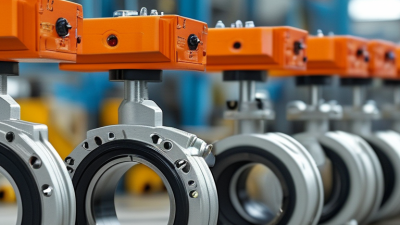
Choosing a dry shaft butterfly valve starts with the actuator, not the pipe diameter. Calculate torque across the full operating cycle. Include breakaway torque, running torque, seating torque, pressure, temperature, and fluid conditions. A dry shaft can reduce exposure to the process medium, but it does not remove mechanical resistance. Add a suitable safety margin, then verify the actuator’s output at the lowest available air or electric supply. I have seen valves work during bench testing but stall after months of service. Dirt, aging seals, and infrequent operation can change the torque demand.
Check the mounting interface against ISO 5211 before ordering the actuator. The flange pattern, drive dimensions, and stem connection must match precisely. ISO 5211 confirms mounting compatibility; it does not confirm adequate torque or correct valve control. That distinction is easy to miss. Also compare the valve’s face-to-face length with ISO 5752 requirements. Measure the existing gap between flange faces, including gaskets and possible spacers. Wafer, lug, and flanged designs may require different installation details. A small dimensional error can force pipe strain or misalignment. One practical lesson is worth repeating: never trust a catalog dimension without checking the certified drawing and the actual pipeline. Temperature correction, lining thickness, and revised valve designs can create unexpected differences.