Top 10 Rubber Lined Butterfly Valve Manufacturers
Rubber Lined Butterfly Valve technology sits at the intersection of corrosion control, flow regulation, and practical plant maintenance. Grand View Research valued the global industrial valves market at approximately USD 78 billion in 2023. Its outlook also suggests continued growth through 2030, supported by water treatment, energy, chemical processing, and infrastructure investment. Another market study, Fortune Business Insights, identifies butterfly valves as a strong product segment because they offer compact designs, lower weight, and economical maintenance.
The numbers sound encouraging. Reality is less tidy.
A valve may face abrasive slurry, chlorinated water, fluctuating temperatures, or repeated cycling. These details can change the correct choice completely. R. W. Zappe, author of Valve Selection Handbook, gave a practical warning: “The selection of a valve depends on the service in which it is to operate.” That principle remains highly relevant when comparing the Top 10 Rubber Lined Butterfly Valve Manufacturers.
Manufacturers differ in rubber formulation, liner bonding, disc finishing, shaft sealing, testing depth, and documentation quality. Some publish impressive pressure ratings but provide limited information about compound compatibility. Others offer strong engineering support, yet their delivery times may challenge urgent projects. That gap matters.
This guide evaluates leading manufacturers through technical performance, manufacturing experience, certifications, customization, after-sales support, and application reliability. It also considers evidence beyond promotional claims, including test procedures, material traceability, and field feedback. No ranking is perfect. Buyer priorities vary, and published market data can overlap or use different definitions. Still, a careful comparison can reveal which suppliers deserve serious attention for demanding industrial service.
What Is a Rubber Lined Butterfly Valve?
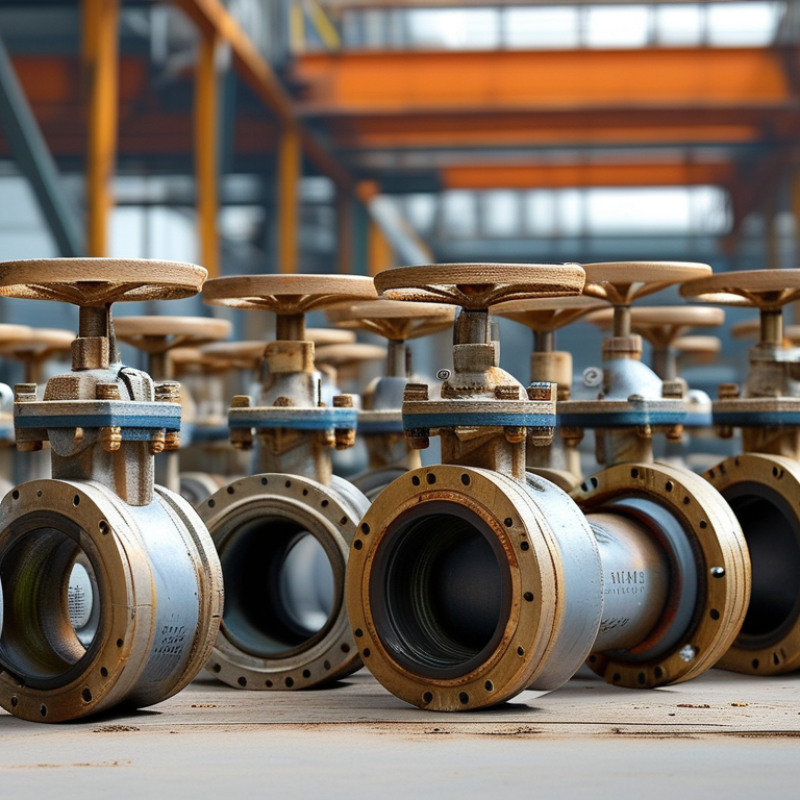
A rubber lined butterfly valve is a quarter-turn valve with a rubber layer protecting its internal body. A circular disc rotates around a central stem. When the disc aligns with the pipeline, fluid flows through with limited obstruction. Turning the disc 90 degrees closes the passage. The rubber lining helps isolate the valve body from water, mild chemicals, and abrasive slurries. It also supports a tight shutoff when the seat remains properly compressed.
In field inspections, I check the lining for cracks, swelling, hard spots, and peeling near the disc edge. These small defects can develop after repeated cycling or exposure to unsuitable media. Temperature, pressure, and chemical compatibility must match the lining material. Poor selection causes early failure. Not every rubber grade performs well with oil, solvents, or hot fluid. Operators should also confirm flange alignment before installation, because pipe stress can distort the valve seat. A practical check is simple: operate the disc slowly and watch for uneven resistance. The valve may look fine outside. Inside, damage can already be progressing. In demanding service, scheduled inspections and accurate torque records provide more reliable maintenance decisions.
How the Top 10 Manufacturers Compare
How the Top 10 Manufacturers Compare
Comparing the top ten rubber lined butterfly valve manufacturers requires more than reading pressure ratings. Field experience shows that lining quality often determines service life. Strong manufacturers control rubber thickness, bonding, and curing temperature carefully. They also provide traceable material certificates and clear inspection records. These details matter when valves handle corrosive water, chemicals, or abrasive slurries.
The leading manufacturers differ in testing depth, delivery speed, customization, and technical support. Some offer advanced lining compounds for higher temperatures. Others focus on reliable standard designs and competitive pricing. No supplier wins every category. A cheaper valve may appear attractive, yet poor disc alignment can cause early wear and leakage. I would not judge quality from brochures alone. Factory audits, sample inspections, and verified field references give stronger evidence.
Tips: Check the liner compound against the actual medium. Confirm pressure, temperature, and flange standards before ordering. Ask how the manufacturer tests seat tightness and coating adhesion. Review spare-part availability, warranty terms, and response times. Small details matter. Also, leave room for doubt. Published service life can change sharply with installation quality, cycling frequency, and untreated pipeline debris.
Key Products, Technologies, and Industry Applications
Top 10 Rubber Lined Butterfly Valve Manufacturers
The leading manufacturers typically offer wafer, lug, and flanged rubber-lined butterfly valves. These designs suit different pipeline layouts and maintenance requirements. Common liners include EPDM, NBR, and natural rubber. Each material responds differently to temperature, abrasion, oils, and process chemicals. The valve body may use ductile iron, carbon steel, or stainless steel. Selection should begin with the medium, pressure, temperature, and cycling frequency. Small details matter.
Modern production often uses precision molding and controlled vulcanization. These processes help the liner bond evenly to the valve body. Concentric designs provide economical shutoff for general water service. Double-eccentric designs can reduce disc friction during operation. Pneumatic actuators support rapid cycling, while electric actuators suit automated treatment systems. Position sensors, limit switches, and digital controllers improve monitoring. Still, no liner works everywhere. I have seen otherwise suitable valves fail early because operators underestimated slurry concentration or heat.
In water treatment, these valves control raw water, filtered water, and sludge lines. Mining operations use abrasion-resistant liners for tailings and mineral slurry. Chemical plants require careful compatibility checks before handling corrosive solutions. Food-processing systems may prioritize cleanable surfaces and hygienic documentation. Reliable manufacturers provide pressure testing, torque data, material certificates, and traceable inspection records. Installation quality remains equally important. Misaligned flanges, excessive bolt torque, or unsupported piping can damage the liner. Field performance depends on both the valve and the system around it.
Quality Standards, Materials, and Manufacturing Capabilities
Top 10 Rubber Lined Butterfly Valve Manufacturers
A credible Top 10 list should begin with measurable quality standards, not advertising claims. Manufacturers should demonstrate ISO 9001 certification, documented inspection plans, and traceable material records. The ISO Survey 2022 recorded more than 1.2 million ISO 9001 certificates worldwide, showing how widely quality systems are used. Certification alone proves little, however. Auditors should review test reports, calibration records, and corrective-action history.
Materials decide service life. Common liner options include EPDM for water, NBR for oils, and PTFE for stronger chemical resistance. The valve body may use ductile iron, carbon steel, or stainless steel. Selection must match temperature, pressure, media concentration, and cycling frequency. ISO 5752 supports face-to-face dimensions, while EN 593 covers industrial butterfly valve requirements. API 609 is also relevant for many process applications. These references help buyers compare manufacturing capabilities fairly.
Tips: Ask for batch-level rubber test data. Check hardness, tensile strength, elongation, and bonding results. Request pressure-test procedures, not only final certificates. Grand View Research’s 2024 industrial valves report describes steady market growth, increasing demand for efficient flow control and reliable maintenance. That trend may encourage faster production, but speed can hide inconsistent curing or poor lining thickness. I would inspect sample cross-sections and witness factory testing when possible. A polished brochure is not evidence. Supplier transparency matters more.
Top 10 Rubber-Lined Butterfly Valve Manufacturers: Materials and Service Temperature
Representative engineering ranges for commonly used liner materials in industrial butterfly valves. Actual limits depend on compound formulation, pressure, media concentration, and the manufacturer’s qualification data.
Quality and manufacturing evaluations commonly consider API 609, EN 593, ISO 5752, MSS SP-67, ISO 5211 mounting compatibility, vulcanized or bonded liner construction, pressure testing, dimensional inspection, and material traceability. Temperature ranges shown are representative reference values, not a substitute for product certification.
How to Select the Right Rubber Lined Butterfly Valve Manufacturer
Selecting a rubber lined butterfly valve manufacturer requires more than comparing unit prices. Grand View Research valued the global industrial valves market at approximately USD 78.9 billion in 2023. Its 2024 analysis also projects a 4.8% compound annual growth rate through 2030. This growth increases supplier choice, but not necessarily supplier quality. Confirm the manufacturer’s experience with wastewater, seawater, chemicals, or abrasive slurries. Application knowledge matters.
Start with the rubber lining. Request the elastomer grade, hardness, temperature range, and chemical compatibility data. EPDM may suit water service, while NBR can perform better with selected oils. Do not assume either material fits every process. Ask for lining thickness records and bonding inspection results. Fit matters. The valve should match the pipeline standard, pressure class, face-to-face dimension, and actuator torque. ISO 5752 and API 609 provide useful dimensional and design references. Require pressure-test procedures aligned with recognized standards, such as ISO 5208.
A dependable manufacturer should provide traceability from raw materials to final testing. Look for batch certificates, inspection plans, calibration records, and documented leakage results. The valve’s rated cycle life deserves attention, especially in automated systems. A lower purchase price can hide higher torque, faster lining wear, or difficult maintenance. That is easy to overlook. The Global Water Intelligence Global Water Market 2024 report highlights continuing investment in water infrastructure, where lifecycle reliability directly affects operating costs. Still, reports cannot replace site evidence. Review sample valves, inspect lining edges, and request references from comparable service conditions. Be cautious when a supplier promises universal chemical resistance. It rarely exists.