Best Pn16 Butterfly Valve Options for Global Buyers?
In the world of industrial fluid control, the Pn16 Butterfly Valve stands as a preferred choice. Industry expert, John Smith, emphasizes, "Choosing the right Pn16 Butterfly Valve can ensure system efficiency and reliability." This statement reflects the importance of understanding valve specifications in various applications.
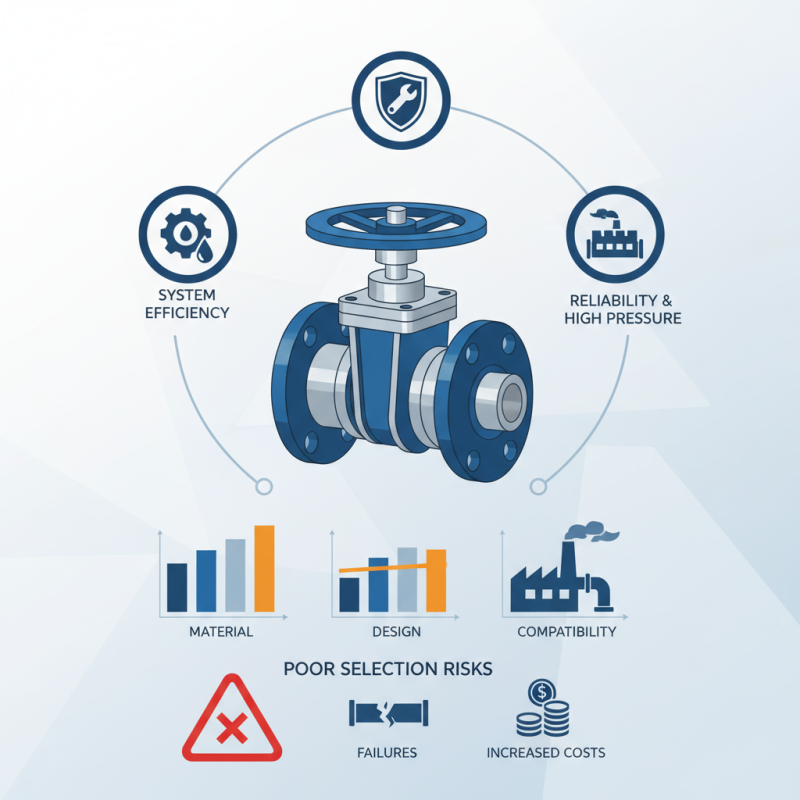
Pn16 Butterfly Valves are designed for high pressure and reliability, making them ideal for diverse industries. These valves allow for quick and effective flow regulation in pipelines. However, not all options on the market meet required standards. Buyers must be cautious and informed about their choices. A poor selection can lead to system failures and increased costs.
It’s crucial to consider specific features like material, design, and compatibility with existing systems. Each of these factors plays a significant role in the valve's performance. While many suppliers offer a range of options, not every valve is created equal. Therefore, assessing the right Pn16 Butterfly Valve is essential for maintaining operational efficiency in any project.
Top Characteristics of PN16 Butterfly Valves for Optimal Performance
When selecting PN16 butterfly valves, understanding their key characteristics is essential for ensuring optimal performance.
Durability is crucial. These valves often operate in demanding environments, so materials must withstand pressure and corrosion. Look for options made from high-quality stainless steel or ductile iron. Their longevity can save costs on maintenance and replacements.
Control is another vital factor. A well-designed PN16 butterfly valve offers precise flow regulation. The disc design plays a significant role here. A streamlined disc reduces turbulence, enhancing efficiency. Valves with linings can also improve performance and protect against wear.
However, not all designs are perfect. Some users report issues with seal integrity over time. Regular maintenance checks can help identify these issues early. Consider the installation environment. Valves need proper alignment to function correctly. Overlooking this can lead to premature failure. Balancing performance and reliability requires careful consideration and ongoing evaluation.
Key Manufacturers of PN16 Butterfly Valves in the Global Market
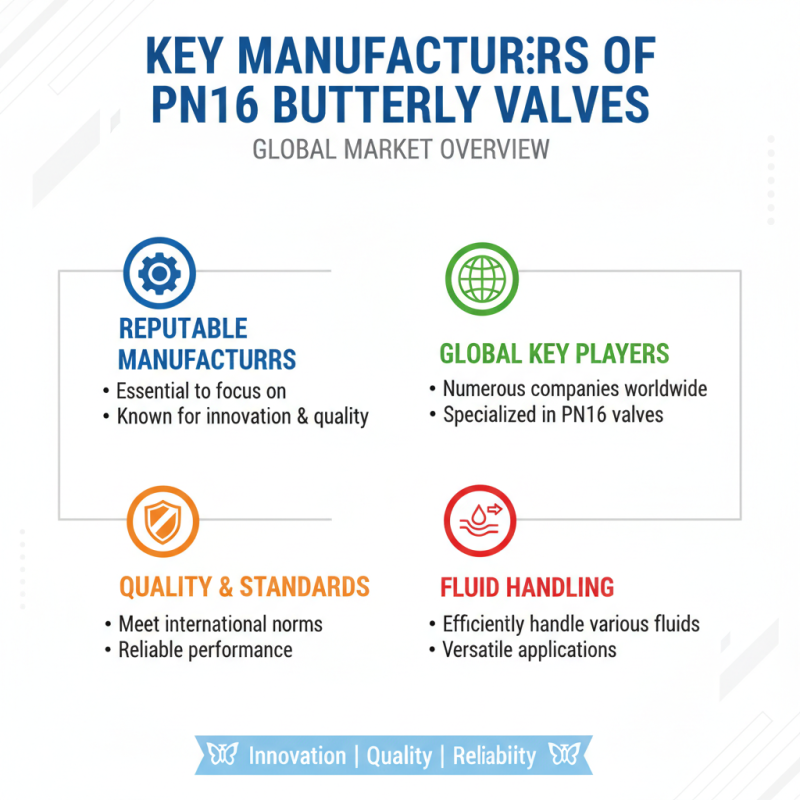
When considering PN16 butterfly valves, it’s essential to focus on reputable manufacturers. The global market features several key players specializing in these valves. These manufacturers are known for their innovation and quality. They produce valves that meet international standards and efficiently handle various fluids.
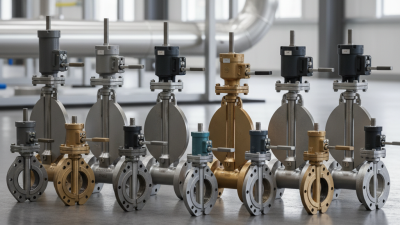
The designs of PN16 butterfly valves vary widely. Each manufacturer brings unique features and materials to the table. Buyers should look for options that offer durability and reliability. Performance testing and certifications are crucial indicators of quality. However, some products may not perform as advertised. Customers must be diligent in researching user reviews and industry feedback.
Manufacturers often claim high performance, yet real-world applications can differ. Inconsistent pressure handling can be an issue. It’s beneficial to analyze specifications closely and consult experts when needed. Engaging with professionals can lead to better-informed decisions. Ultimately, selecting a PN16 butterfly valve requires careful consideration of manufacturer reputation, valve specifications, and user experiences.
Comparison of Material Types Used in PN16 Butterfly Valves
When selecting PN16 butterfly valves, material choice plays a crucial role. The most common materials include
ductile iron, stainless steel, and PVC.
Ductile iron is favored for its strength and durability. It can withstand high pressures,
making it ideal for various industrial applications. However, it is heavier, which can pose installation challenges.
Stainless steel offers excellent corrosion resistance. It is suitable for environments with chemicals or high moisture levels.
Its lightweight nature facilitates easier handling. Yet, stainless steel valves can be more expensive than their counterparts.
PVC, while less durable, is lightweight and cost-effective. These valves perform well in low-pressure applications
but may not last as long as metal options.
Choosing the right material requires careful consideration of the valve's operating environment. Each material has its benefits and drawbacks.
Understanding specific project needs is essential for making the right decision.
Assessing these factors can prevent future issues and enhance performance.
Application Areas and Industries Utilizing PN16 Butterfly Valves
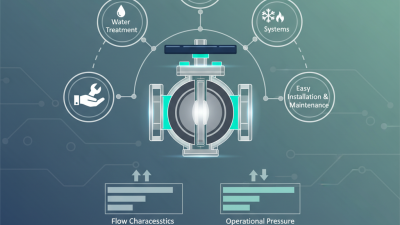
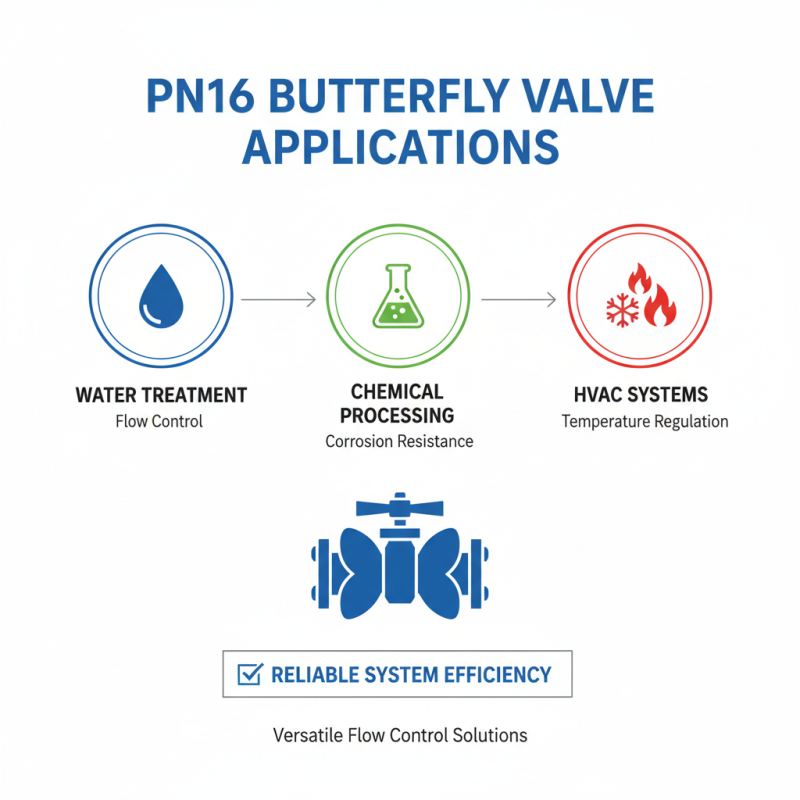
PN16 butterfly valves are widely used across various industries. Their versatility makes them suitable for water treatment plants, chemical processing, and HVAC systems. In each sector, these valves offer reliable flow control, critical for maintaining system efficiency.
In the water treatment industry, PN16 butterfly valves help regulate water distribution. They ensure that the correct pressure is maintained, preventing leaks and potential system failures. In chemical processing, these valves handle corrosive fluids safely, showcasing their reliability. However, incorrect installation or maintenance can lead to failures, highlighting the importance of proper training for technicians.
HVAC systems also benefit from PN16 butterfly valves. They allow for precise control of airflow, enhancing energy efficiency. Yet, these valves require regular inspections to avoid performance issues. Some users might overlook this, leading to reduced system longevity and efficiency. This underlines the need for ongoing education about best practices in valve management.
Factors to Consider When Choosing a PN16 Butterfly Valve
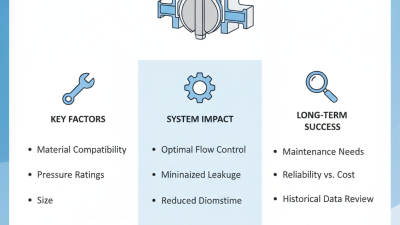
Choosing the right PN16 butterfly valve can greatly impact your project's success. Various factors come into play when making this decision. One key aspect is the material of the valve. Options like stainless steel or ductile iron may influence factors such as corrosion resistance and durability. It's essential to assess the environment where the valve will be installed. Will it face high temperatures or corrosive substances?
Another important consideration is the valve's design. Different designs can affect flow rates and pressure loss. Ensure that the valve meets your specific requirements for flow control. Evaluate performance characteristics and lifetime maintenance efforts. Factor in how often the valve will need servicing. If maintenance is cumbersome, it can lead to higher long-term costs.
Tips: Always check the valve's certification and compliance with industry standards. This ensures reliability. Pay attention to the manufacturer’s reputation. A trusted source often equals better quality. It's wise to consult with professionals who can offer insights tailored to your needs. Remember, not all valves are created equal.
Best PN16 Butterfly Valve Options for Global Buyers
This bar chart illustrates the performance metrics of various PN16 butterfly valve options considering factors like material types and sizes. The data reflects fictional performance ratings and can guide global buyers in selecting the most suitable butterfly valve for their needs.