10 Essential Tips for Choosing Pn10 Butterfly Valve for Your Projects?
When selecting a Pn10 Butterfly Valve for your projects, expert insights can make a significant difference. John Smith, a renowned valve specialist, states, "Choosing the right valve is crucial for system efficiency." His experience in the industry highlights the importance of making informed decisions.
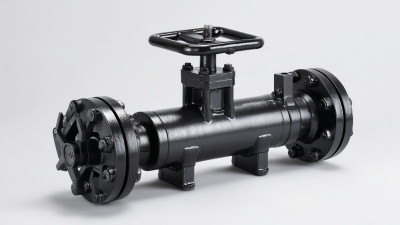
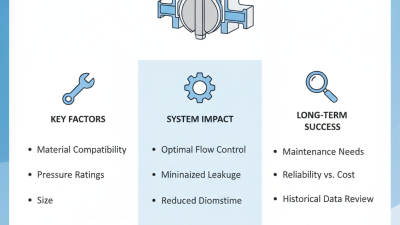
Understanding the specifications of a Pn10 Butterfly Valve is vital. These valves are designed for specific pressure and temperature conditions. Their application is often seen in water supply systems and industrial processes. However, not all Pn10 Butterfly Valves are created equal. Factors such as material quality, design features, and manufacturer reliability come into play.
It’s easy to overlook the finer details when making a choice. For instance, some might focus solely on price rather than performance. Yet, investing time in research can save future headaches. Your project’s success relies on choosing a valve that meets not only your current needs but also future demands. Careful consideration now can lead to lasting results later.
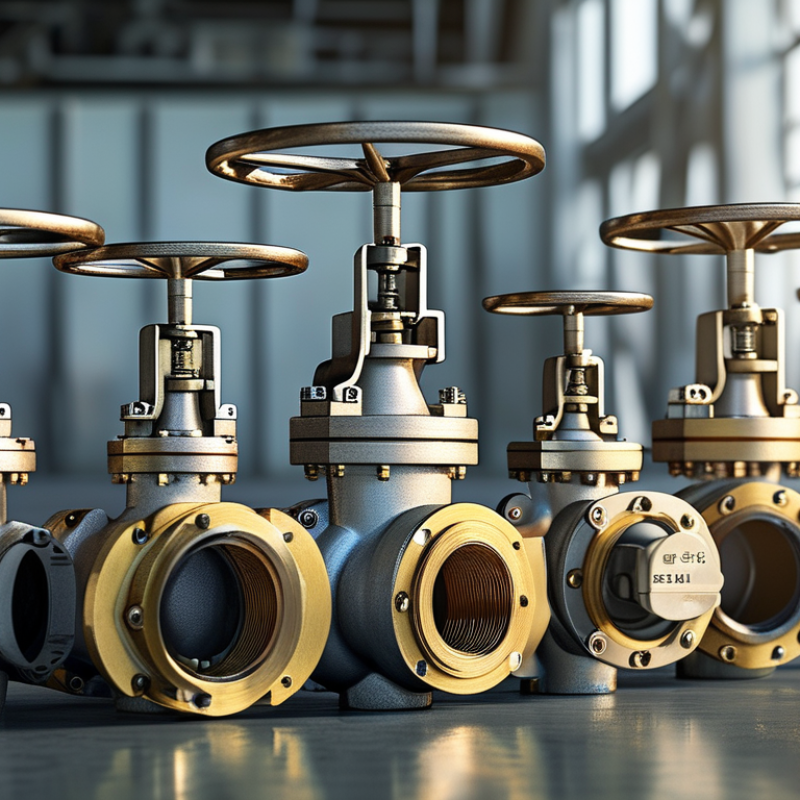
Understanding the Basics of Pn10 Butterfly Valves
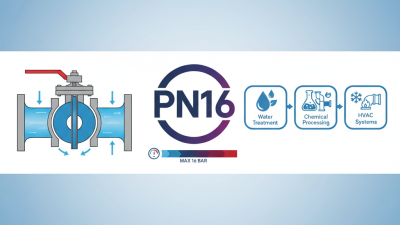
When selecting a PN10 butterfly valve, understanding its basic features is crucial. These valves are designed to control flow in various systems, including water, gas, and other liquids. The PN10 designation indicates that the valve can handle pressures up to 10 bar. This information is vital when assessing whether the valve suits your project's pressure requirements.
Material choice impacts durability and functionality. Common materials include cast iron and stainless steel. Each material has its pros and cons, which should align with your project needs. Consider environmental factors, like corrosion risks, when choosing the material. Sometimes, the optimal decision is not the most expensive option but the one that fits the specific conditions.
Installation and maintenance are other critical factors. Proper installation can prevent leaks and ensure smooth operation. Regular maintenance checks can identify wear and tear before they become significant problems. Many users overlook these aspects. A little attention now can save costly repairs later. Remember, each project is unique, requiring careful thought about the valve selection. Don't rush this decision; take your time to ensure the best fit.
Key Specifications to Consider When Selecting Pn10 Butterfly Valves
When selecting PN10 butterfly valves for your projects, understanding key specifications is crucial. One vital aspect is the valve material. Valves can be made from different materials like stainless steel, cast iron, or PVC. Each material has its advantages and limitations. For instance, stainless steel is durable but may be more expensive. In contrast, PVC is cost-effective but less resilient in high-pressure applications. Consider the environmental factors, such as temperature and corrosion.
Another significant specification is the size and flow rate. The valve's diameter should match the piping system to ensure efficiency. An undersized valve may restrict flow, causing pressure drops. Conversely, an oversized valve can lead to unnecessary energy loss. Furthermore, check the actuator type. Manual, electric, and pneumatic options have varying levels of control and response times. Your project requirements will dictate the best choice.
Do not overlook the design and sealing elements. Ensuring a proper seal is vital to prevent leaks. Different designs offer varied sealing capabilities which can affect long-term reliability. The installation process also merits consideration. Some valves are easier to install, while others require specialized tools or expertise. This can impact project timelines and budgets significantly. Assess your needs carefully before making a decision.
Evaluating Material Options for Pn10 Butterfly Valves
When selecting Pn10 butterfly valves, evaluating material options is crucial. The choice of materials affects durability, corrosion resistance, and overall performance. Common materials include stainless steel, cast iron, and PVC. Each has distinct advantages and drawbacks. For example, stainless steel offers excellent corrosion resistance, making it ideal for harsh environments. However, its cost may deter some projects.
Cast iron valves are durable and cost-effective. They perform well in many industrial applications. But, they can suffer from corrosion in certain fluids. PVC valves are lightweight and resistant to chemicals. Yet, they may not withstand high temperatures. Assess your project's specific requirements carefully to identify the most suitable material.
It’s also essential to consider the environment where the valve will be installed. Exposure to abrasive materials or harsh conditions can impact longevity. Some materials may require additional coatings or treatments. Balancing cost and performance is vital. Achieving reliability in your valve selection can often be a matter of trial and error. Reflect on past projects to learn about material performance. This understanding can guide you in making better choices for future applications.
10 Essential Tips for Choosing Pn10 Butterfly Valve for Your Projects
| Tip Number |
Tip Description |
Material Options |
Key Benefits |
| 1 |
Determine application requirements |
Cast Iron |
Durability and cost-effectiveness |
| 2 |
Check pressure requirements |
Stainless Steel |
Corrosion resistance and strength |
| 3 |
Consider the size and dimension |
PVC |
Lightweight and easy to install |
| 4 |
Evaluate flow characteristics |
Ductile Iron |
Improved impact resistance |
| 5 |
Assess temperature limits |
Brass |
High thermal conductivity |
| 6 |
Look into regulatory standards |
Aluminum |
Excellent strength-to-weight ratio |
| 7 |
Check maintenance requirements |
Composite Materials |
Weight savings and design flexibility |
| 8 |
Understand installation methods |
Nylon |
Ease of handling and assembly |
| 9 |
Review life cycle costs |
Carbon Steel |
Cost efficiency for bulk usage |
| 10 |
Consult with experts |
Hybrid Materials |
Optimal performance across applications |
Importance of Sizing and Flow Rate in Pn10 Butterfly Valve Selection
Selecting the right Pn10 butterfly valve hinges on understanding both sizing and flow rate. An adequate valve size ensures optimal flow, minimizing turbulence. A mismatch may lead to pressure loss or valve failure. For example, a recent industry study indicated that improper sizing could decrease system efficiency by up to 30%. This highlights the critical need for accurate measurements in every project.
Flow rate also plays a significant role in valve selection. It is essential to match the valve's characteristics to the expected flow dynamics. Research indicates that valves with inadequate flow rates can cause cavitation and erosion. These conditions not only damage the valve but can lead to costly repairs and downtime. In environments where precise control is essential, such as water treatment or industrial processes, accurate flow rate data is a must.
Understanding these factors requires experience and technical knowledge. Consulting with valve experts or utilizing flow simulation software can provide invaluable insights. Precision in selection reduces long-term costs, though some projects still overlook these critical steps. Failing to prioritize sizing and flow rate during the valve selection process might lead to inefficiencies that could have been avoided.
Maintenance and Longevity Tips for Pn10 Butterfly Valves
When selecting Pn10 butterfly valves for your projects, regular maintenance is key to ensuring their longevity.
These valves are crucial for controlling fluid flow efficiently. Neglecting their upkeep can lead to issues like wear and tear or failure.
Inspect the valve regularly for signs of corrosion or leaks.
Addressing these problems early can save time and costs.
Perform routine cleaning to remove dirt and debris. Accumulated materials can obstruct flow and damage the valve. Lubrication is also essential.
It helps in preventing friction that could otherwise lead to valve jam. Select a suitable lubricant compatible with the valve material.
The wrong choice can cause more harm than good.
Monitor the operating conditions closely. Extreme temperatures or pressures might exceed the valve's designed capacity, leading to premature failure.
Understanding the environment where the valve is installed is vital. Always keep a record of maintenance activities.
This practice fosters accountability and helps identify recurring issues.