How to Choose the Right Bubble Tight Butterfly Valve for Your Needs?
Choosing the right Bubble Tight Butterfly Valve can seem daunting. With various options available, understanding your needs is crucial. This specialized valve is known for its ability to prevent leaks effectively. It's vital for applications requiring a secure seal.
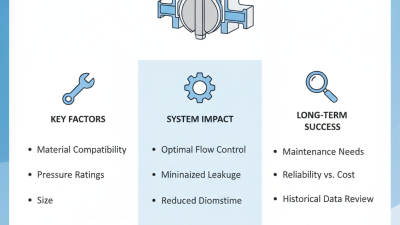
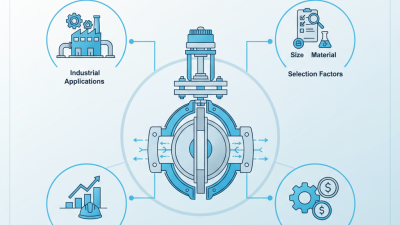
Consider factors like material, pressure rating, and size. The valve should match your specific requirements to ensure optimal performance. A reliable supplier will often provide necessary specifications and help you make an informed choice. This industry experience is invaluable.
Take your time to research and reflect on your application. Missteps in selection can lead to costly repairs and operational failures. Evaluate the purpose and environment where the valve will be installed. This careful consideration will pave the way for a successful purchase.
Understanding Bubble Tight Butterfly Valve: Definition and Functionality
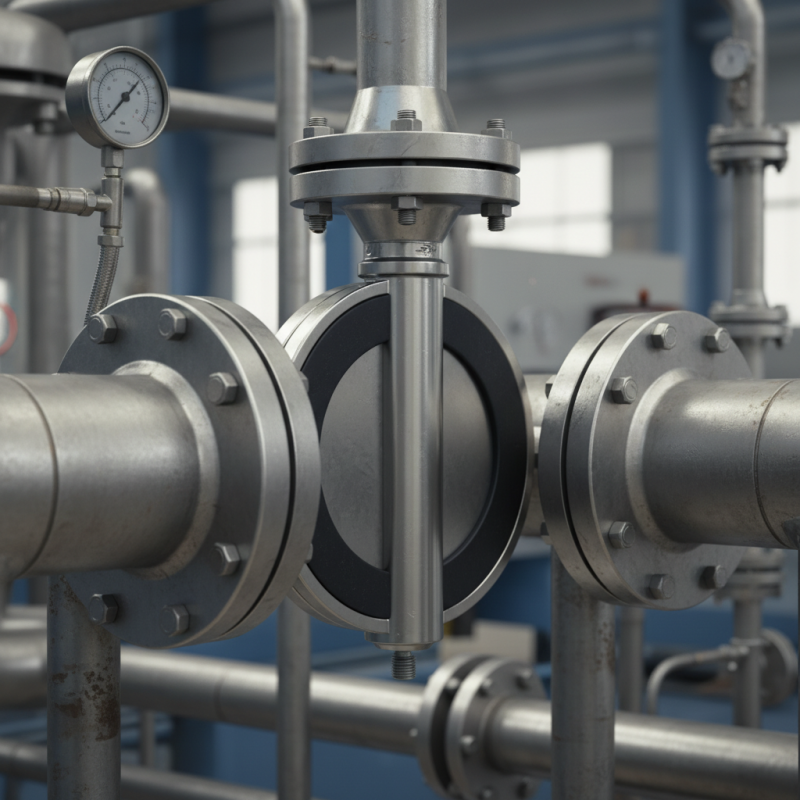
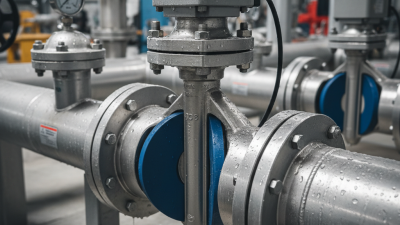
Bubble tight butterfly valves are crucial in various industries. Their primary function is to provide a tight seal in piping systems, preventing leakage. This is vital in processes where fluid integrity is paramount. The design allows for quick operation, making them efficient for controlling flow. These valves work by rotating a disc with an actuator. This simple mechanism offers reliability.
When selecting a bubble tight butterfly valve, consider the material and size. The type of fluid and operating conditions matter. Choosing the wrong material can lead to failure. Ensure the valve can handle pressure and temperature levels. Check the specifications carefully.
Tips: Always assess your specific needs before purchasing. A thorough understanding of your system is essential. Don’t hesitate to consult with experts if needed. This can save time and reduce uncertainty. Remember, every application is unique. Taking time to evaluate can lead to better outcomes. Adjustments may be necessary after installation. Continuous monitoring is key to ensure optimal performance.
Key Factors to Consider When Selecting a Bubble Tight Butterfly Valve
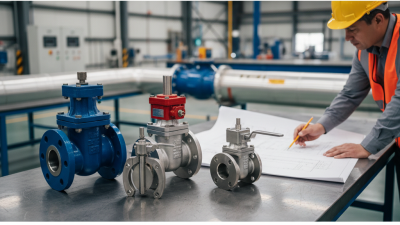
Choosing the right bubble tight butterfly valve involves understanding key factors. The valve's material can impact durability and compatibility. Assess the medium it will control. Common materials include stainless steel, plastics, and brass. Ensure the selected material withstands your operational conditions.
Another crucial factor is the valve's size. Oversized valves may lead to inefficient performance. Conversely, undersized valves can restrict flow. Precise measurements and calculations are essential to achieve an effective installation. Accurate sizing minimizes issues related to pressure drops and flow rate limitations.
Tips: Always involve a qualified engineer in your selection process. They bring expertise and can identify potential pitfalls. Be aware that maintaining these valves is critical to prolonging their service life. Regular checks for leaks or operational anomalies can prevent costly downtime.
Different Materials Used in Bubble Tight Butterfly Valves and Their Advantages
When selecting a bubble tight butterfly valve, the material is crucial. Different materials offer various advantages that can significantly impact performance and durability. For instance, stainless steel valves are widely known for their excellent corrosion resistance. According to industry reports, stainless steel valves have a lifespan of over 20 years in harsh environments, proving to be cost-effective over time.
In contrast, plastic materials like PVC and CPVC are lightweight and resistant to chemical exposure. A study indicates that plastic valves can reduce installation costs by up to 30% due to lower transportation weights. However, they may not withstand high temperatures as effectively as metal options. This limitation forces users to carefully evaluate the temperature and pressure requirements of their systems.
Another option is ductile iron, which combines strength and durability. Ductile iron valves can handle higher pressure applications and have a longer lifespan compared to plastic. Yet, they are heavier, which might complicate installation. Each material has its unique drawbacks that can complicate decision-making. Balancing these factors requires thorough consideration of the specific application needs.
Comparison of Different Materials Used in Bubble Tight Butterfly Valves
Applications of Bubble Tight Butterfly Valves in Various Industries
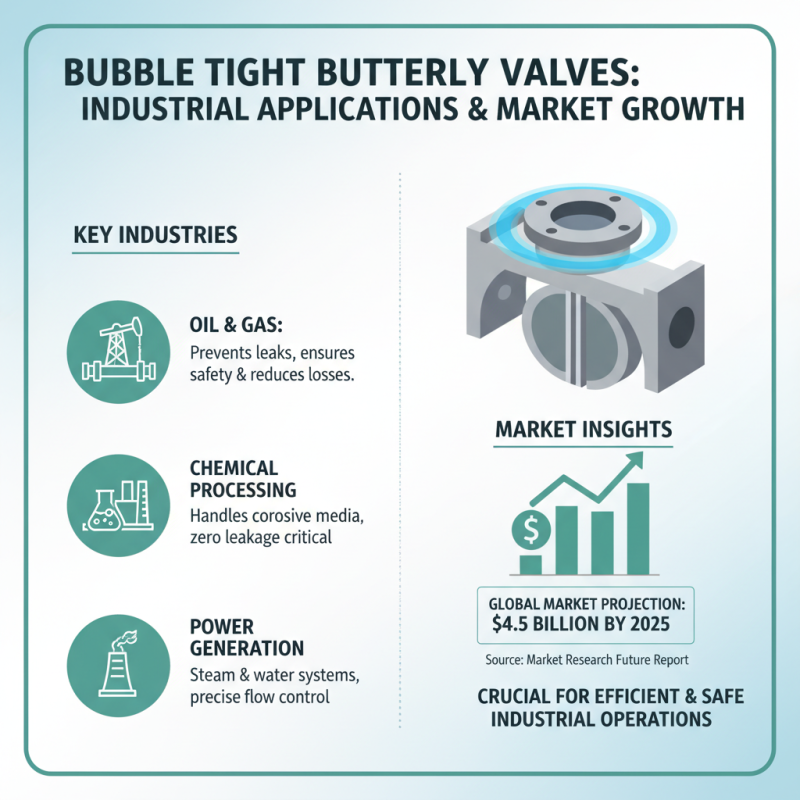
Bubble tight butterfly valves are increasingly in demand across various industries. These valves are designed to provide a tight seal, ensuring minimal leakage. This characteristic is crucial in sectors like oil and gas, where even small leaks can lead to significant losses and safety hazards. According to a report by Market Research Future, the global butterfly valve market is projected to reach $4.5 billion by 2025, highlighting their importance in industrial applications.
In the water treatment industry, bubble tight butterfly valves help regulate flow and maintain system integrity. They are employed in pipelines that transport clean water and wastewater. The American Water Works Association emphasizes that using reliable valves can prevent environmental contamination. In food and beverage processing, the hygiene provided by these valves is essential. Maintaining high sanitary standards is non-negotiable, as per FDA guidelines.
Manufacturers continue to innovate, but not all products meet the rigorous demands of every industry. Some valves may struggle under extreme pressure or temperature. Reports suggest that improper valve selection can lead to increased maintenance costs. Hence, thorough research is vital when choosing a bubble tight butterfly valve for specific applications. This ensures reliability and safety in critical systems.
Maintenance Tips for Ensuring Optimal Performance of Butterfly Valves
Maintaining butterfly valves is crucial for their optimal performance. Regular checks on seals and actuators can prevent leaks and reduce downtime. A study from the Valve Manufacturers Association suggests that routine maintenance can extend a valve's lifecycle by up to 25%. This is significant when considering operational costs.
Frequent inspection of the valve’s body and lining can reveal early signs of wear. Corrosion is a common issue; about 20% of valve failures are attributed to this. Keeping valves clean and lubricated helps in maintaining functional integrity. Utilize specialized lubricants suitable for your valve type to enhance their lifespan.
Consider the environment where the valve operates. High temperatures or corrosive substances can accelerate wear. Implementing a preventive maintenance schedule is essential. This can include monthly visual inspections and annual detailed assessments. While it may seem tedious, consistent maintenance can identify issues before they escalate. Even minor adjustments can lead to better efficiency and save costs.
How to Choose the Right Bubble Tight Butterfly Valve for Your Needs? - Maintenance Tips for Ensuring Optimal Performance of Butterfly Valves
| Feature |
Importance |
Maintenance Tips |
Frequency of Maintenance |
| Material |
Critical for compatibility with fluids |
Inspect for corrosion and wear |
Yearly |
| Seal Type |
Essential for bubble tight performance |
Check seal integrity regularly |
Every 6 months |
| Size |
Determines flow rate capacity |
Verify dimensions before installation |
Before installation |
| Actuation Method |
Impacts control and response times |
Test for responsiveness regularly |
Monthly |
| Pressure Ratings |
Important for system safety |
Monitor system pressure levels |
Continuous |