Top Butterfly Valve With Locking Device for Global Buyers?
The global demand for efficient and safe control systems in industrial applications is rising. Among these systems, the Butterfly Valve With Locking Device stands out due to its reliability and operational efficiency. Recent reports indicate that the market for these valves has seen a growth rate of over 7% annually. This surge highlights the increasing need for secure and durable solutions in industries like oil and gas, water treatment, and manufacturing.
Industry expert Dr. Sarah Jenkins states, "The Butterfly Valve With Locking Device adds a crucial layer of safety, preventing accidental fluid discharge." Her insights underscore the importance of this technology in enhancing operational safety. The locking mechanism ensures that valves remain securely closed, which is vital in high-pressure environments.
Despite the advancements in butterfly valve technology, some issues persist. For instance, frequent maintenance is required to ensure the locking device functions effectively. Additionally, there can be challenges in selecting the right valve for specific applications. These factors necessitate continuous assessment and refinement within the industry, emphasizing the need for ongoing dialogue among manufacturers, engineers, and users.

Overview of Butterfly Valves and Their Applications
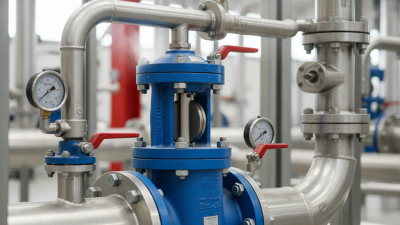
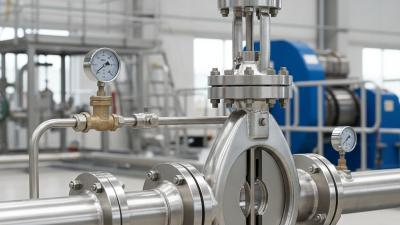
Butterfly valves are popular in various industries due to their simple design and efficient operation. They consist of a disc that rotates to control flow within a pipe. This mechanism allows for quick opening and closing, making them ideal for controlling fluid transfer. Their lightweight nature contributes to cost savings on installation and maintenance.
These valves are commonly used in water treatment, HVAC systems, and chemical processing. In these applications, butterfly valves provide reliable performance even under high pressure and temperature conditions. The versatility of butterfly valves allows for integration into complex systems, adapting to diverse needs. However, some challenges arise, such as potential leaks and limited throttling capability, which require careful consideration in system design.
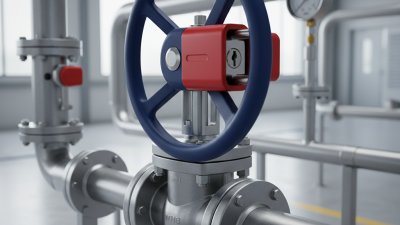
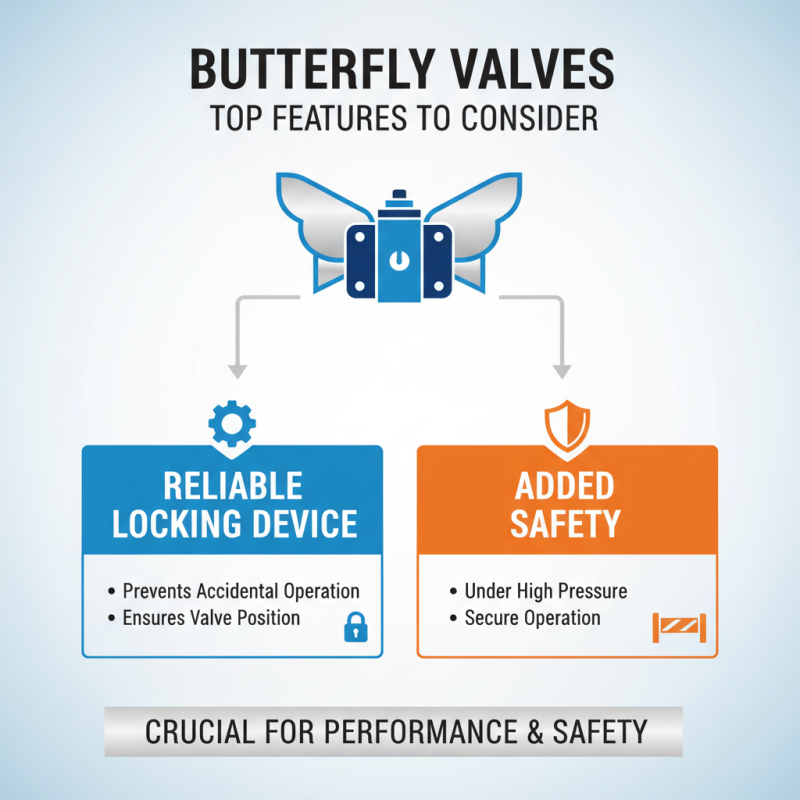
The addition of a locking device enhances safety by preventing accidental valve operation. This feature is particularly crucial in hazardous environments where maintaining precise control is essential. Users must regularly evaluate the functionality of these locking mechanisms to ensure optimal performance. Regular maintenance and inspections are critical to prevent failures that could lead to operational downtime.
Butterfly Valve Applications Overview
Importance of Locking Devices in Butterfly Valves
Locking devices in butterfly valves play a crucial role in enhancing safety and reliability. These devices ensure that the valve remains in a specific position, preventing unintentional movement. This feature is particularly vital in high-pressure systems where accidental opening or closing can lead to catastrophic failures. Engineers and operators must assess the use of locking devices based on the specific application environment.
The importance of reliability cannot be overstated. A faulty valve can disrupt an entire system. Locking devices help mitigate risks associated with valve operation. They also streamline maintenance by allowing operators to secure valves in the desired state. Despite their advantages, it’s essential to recognize that not all locking mechanisms offer the same level of security. Some may wear over time, leading to potential failure points.
Moreover, regular inspections are necessary to ensure their functionality. This habit builds a culture of safety and responsibility among personnel. Ultimately, the choice of a butterfly valve with a locking device must be informed and systematic. Operators must weigh the benefits against potential drawbacks. They should always be prepared for unexpected challenges.
Leading Brands Offering Butterfly Valves with Locking Mechanisms
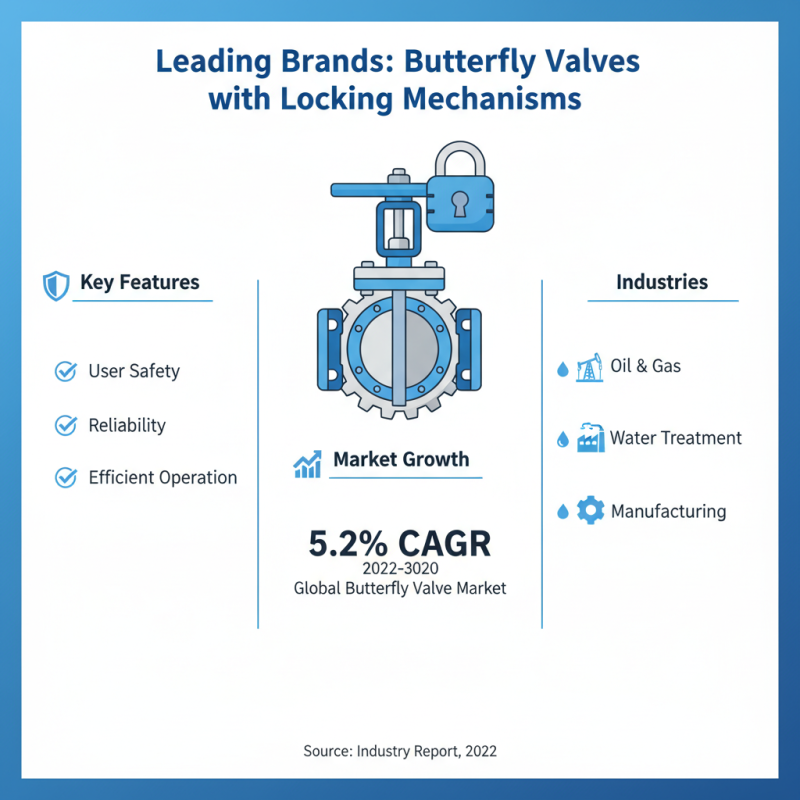
When considering butterfly valves equipped with locking mechanisms, it is essential to examine the leading brands that dominate the market. These brands emphasize user safety, reliability, and efficient operation in various applications. The global butterfly valve market is projected to grow significantly, with an estimated CAGR of 5.2% from 2022 to 2030, according to a recent industry report. This growth reflects the increasing demand for durable and secure valve systems across sectors such as oil and gas, water treatment, and manufacturing.
Locking devices in butterfly valves provide an additional layer of security. They prevent unintentional valve operation, which is crucial in high-pressure or hazardous environments. Some reports indicate that nearly 30% of valve failures stem from human error. By incorporating effective locking mechanisms, manufacturers can help mitigate these risks. However, not all locking systems are foolproof; some may struggle under extreme conditions or require regular maintenance, highlighting the need for careful selection and regular inspections.
Another important consideration is the material makeup of these valves. The choice of materials affects durability and locking effectiveness. Research indicates that corrosion-resistant materials can enhance longevity, while blending these with robust locking mechanisms offers a stronger solution. Still, inconsistency in manufacturing standards raises concerns about reliability. Regular audits and compliance with international standards are essential to ensure the safety of these products in diverse applications.
Global Market Trends for Butterfly Valves in Various Industries
The butterfly valve market shows remarkable growth across various industries. According to a recent report by MarketsandMarkets, the global butterfly valve market was valued at approximately USD 7.5 billion in 2022. The compound annual growth rate (CAGR) from 2023 to 2030 is projected to be around 4.8%. This rise is driven by increasing demand in sectors like water treatment, oil and gas, and power generation.
For instance, the water treatment industry is a significant contributor to this growth. As cities expand, the need for efficient water management systems increases. In fact, the United Nations reported a potential global water shortfall of 40% by 2030. This urgency makes reliable butterfly valves crucial. However, some users face challenges in selecting the right valve type for specific applications. Not every design fits every purpose, leading to operational inefficiencies.
Moreover, safety remains a primary concern. While the locking devices on butterfly valves enhance security, not all manufacturers prioritize this feature. Users need to understand the implications of not using reliable locking mechanisms. Critical assessments of product features and industry standards can aid in making informed decisions. The market is evolving, but gaps still exist. Awareness of these issues will help buyers navigate their choices better.
Top Butterfly Valve With Locking Device for Global Buyers? - Global Market Trends for Butterfly Valves in Various Industries
| Industry |
Market Share (%) |
Growth Rate (2023-2028) |
Locking Device Adoption (%) |
Key Factors Driving Demand |
| Oil & Gas |
30 |
4.5% |
80 |
Increased safety standards, infrastructure upgrades |
| Water & Wastewater |
25 |
3.8% |
75 |
Aging infrastructure, environmental regulations |
| Power Generation |
20 |
5.0% |
82 |
Shift towards renewable energy, safety initiatives |
| Chemical Processing |
15 |
4.2% |
70 |
Need for corrosion resistance, safety systems |
| Food & Beverage |
10 |
3.5% |
65 |
Hygienic requirements, automation needs |