Leave Your Message
Choosing the right Pn25 Butterfly Valve requires more than matching a pressure number to a pipeline drawing. PN25 indicates a nominal pressure class, but actual performance depends on temperature, fluid properties, flange design, and operating conditions. A valve handling chilled water may need different materials from one controlling abrasive slurry or mildly corrosive chemicals. Small details matter.
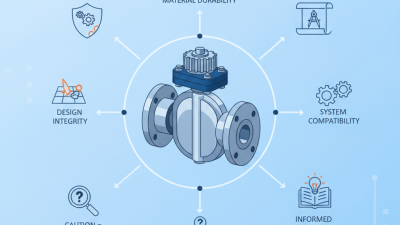
This guide presents seven practical tips for making a safer, more defensible selection. It considers body and disc materials, seat compatibility, flow direction, actuation, flange alignment, testing, and supplier documentation. In real installations, a valve can appear suitable on paper yet fail because its elastomer softens, its actuator lacks torque, or its disc restricts nearby fittings. That is why experienced engineers check the complete operating range, not only the catalog headline. Verify pressure-temperature tables. Review applicable standards. Ask for inspection records and traceability documents. A reputable manufacturer should explain limitations clearly, rather than promise universal service.
Field experience also teaches humility. No selection guide is flawless. Site conditions are often incomplete, and maintenance habits can change the original design assumptions. Before approving a Pn25 Butterfly Valve, compare the datasheet with the piping specification, media analysis, and shutdown requirements. Consider access for replacement. Check the actual flange faces.
Think beyond purchase price.
A reliable choice should deliver controlled isolation, predictable torque, and manageable maintenance over time. The following seven tips provide a structured starting point, while leaving room for professional review when the service is critical, unusual, or poorly documented.
7 Tips for Choosing the Right PN25 Butterfly Valve
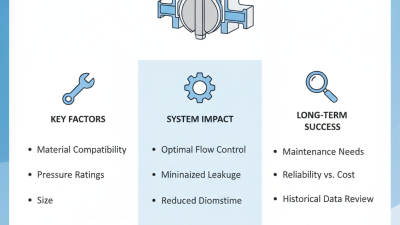
Understanding PN25 ratings starts with one important detail: PN25 does not mean 25 bar in every condition. It usually indicates a nominal pressure rating at a reference temperature. Temperature, fluid type, valve materials, and flange standards can reduce the allowable working pressure. Tip 1: Check the pressure-temperature chart, not only the PN25 label. Tip 2: Confirm the pipe size, flange drilling, and face-to-face dimensions. A small mismatch can delay installation.
Tip 3: Match the seat material to the medium. EPDM may suit many water services, while PTFE can handle different chemicals and higher temperatures. Do not guess here. Tip 4: Select the correct disc and shaft materials for corrosion resistance. In a wet, abrasive line, material choice often matters more than the valve’s appearance. Tip 5: Consider flow conditions carefully. A butterfly valve can control flow, but excessive throttling may create noise, vibration, or cavitation.
Tip 6: Choose manual, pneumatic, or electric operation according to torque and access. A DN100 valve may seem manageable by hand, yet a high-pressure line can require substantial operating force. Tip 7: Review shutoff performance, testing, and maintenance access before ordering. Reliable suppliers should provide test records and clear technical data. I have seen projects focus on pressure rating alone, then discover that the actuator lacked enough torque. That mistake is avoidable. Leave room for inspection. Pressure surges also deserve attention, especially when pumps start or stop suddenly.
| Tip | Selection Factor | What to Check | Technical Guidance | Suitable Application Examples |
|---|---|---|---|---|
| 1 | Confirm the pressure rating | Verify that the valve is marked PN25 and that the connected flanges, bolts, gaskets, and pipework have compatible pressure ratings. | PN25 indicates a nominal pressure class of 25 bar under the applicable rating conditions. The allowable working pressure can be lower at elevated temperatures or when required by the valve material and design standard. | Pressurized water, district energy, industrial cooling systems, and general process piping designed for PN25 connections. |
| 2 | Match the valve to the medium | Identify the fluid, concentration, temperature, solids content, and potential corrosive properties before selecting the body, disc, shaft, and seat materials. | EPDM seats are commonly selected for water and many water-based services. NBR is often used for certain oil-related services. PTFE-based seats can provide broader chemical resistance, but compatibility must be checked for the exact fluid and temperature. | Potable or raw water, treated wastewater, HVAC water, seawater, air, and selected chemical services when material compatibility has been confirmed. |
| 3 | Select the correct connection style | Check whether the pipeline uses wafer, lug, or flanged connections and confirm the flange drilling standard, face-to-face length, and available installation space. | Wafer valves are compact and installed between flanges. Lug valves allow bolting to each flange and may support dead-end service when specifically approved. Flanged valves provide a more direct bolted connection but usually require more space. | Compact pump rooms, sectional isolation, equipment skids, water-treatment lines, and systems requiring frequent maintenance access. |
| 4 | Choose the right seat and sealing arrangement | Review the required shut-off performance, temperature range, allowable leakage, chemical compatibility, and whether the valve must operate frequently. | Resilient-seated butterfly valves are widely used for tight shut-off in water services. Metal-seated or specially engineered designs may be required for higher temperatures, abrasive media, fire-safe requirements, or demanding industrial duty. | Water isolation, cooling-water circuits, utility services, and process lines requiring reliable bubble-tight or low-leakage isolation. |
| 5 | Size for flow and pressure loss | Use the design flow rate, operating pressure, velocity, available pressure drop, and valve flow coefficient rather than selecting only by pipe diameter. | A butterfly valve that is too large may operate near the closed position and provide poor control resolution. A valve that is too small may create excessive pressure loss, noise, or velocity. The selected size should be verified using the manufacturer’s certified flow data. | Large-diameter water mains, chilled-water systems, fire-water networks, cooling towers, and general industrial utility piping. |
| 6 | Decide between manual and automated operation | Consider valve size, operating frequency, required closing time, control signal, available power, fail position, and the torque required throughout the valve stroke. | Hand levers are practical for smaller, infrequently operated valves. Gear operators suit larger manual valves. Pneumatic or electric actuators are appropriate for remote control, sequencing, modulating service, or emergency isolation. Actuator sizing should include seat breakaway and safety margins. | Remote pump control, automated treatment plants, HVAC balancing systems, process isolation, and emergency shut-off arrangements. |
| 7 | Verify standards, testing, and installation requirements | Review the applicable design, face-to-face, flange, testing, marking, and material standards, as well as installation orientation and maintenance requirements. | Common references may include EN 593 for industrial butterfly valves, EN 558 for face-to-face dimensions, EN 12266-1 for pressure testing, and relevant flange standards such as EN 1092-1. The exact standard set must match the project specification. | Municipal infrastructure, industrial plants, building services, water-treatment facilities, and projects requiring documented inspection and traceability. |
| Important rating note: PN25 is a nominal pressure designation, not a universal guarantee that the valve can operate at 25 bar under every condition. Always confirm the pressure-temperature rating, seat limitations, end-connection rating, test pressure, and application-specific requirements in the valve’s technical documentation. | ||||