Top Quality Pn25 Butterfly Valve Solutions for Global Buyers?
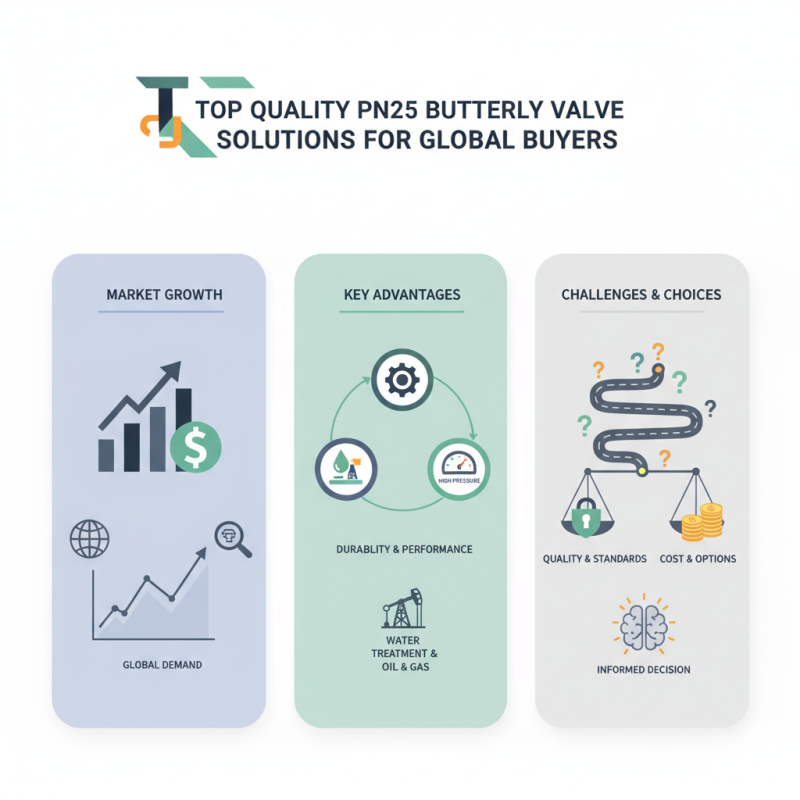
In the competitive world of industrial valves, the Pn25 Butterfly Valve stands out as a reliable choice for various applications. According to a recent industry report by Valves and Controls, the global butterfly valve market is projected to reach $9 billion by 2026. This growth is largely driven by the increasing demand for efficient flow control solutions in sectors like water treatment and oil and gas.
Industry expert James Holloway noted, "The Pn25 Butterfly Valve has become synonymous with durability and performance." His insights underline the valve's significance in modern infrastructure. These valves operate effectively under high pressure, making them ideal for demanding environments. However, it's essential to choose high-quality options to ensure reliability.
Despite the growing popularity of Pn25 Butterfly Valves, challenges remain. Manufacturers must continually innovate to meet stringent industry standards. Buyers often face difficulties in navigating the vast array of options available. Understanding the specifications and performance factors is critical in making informed decisions. Balancing quality with cost will ultimately lead to better outcomes in valve selection.
Understanding PN25 Butterfly Valves: Specifications and Standards
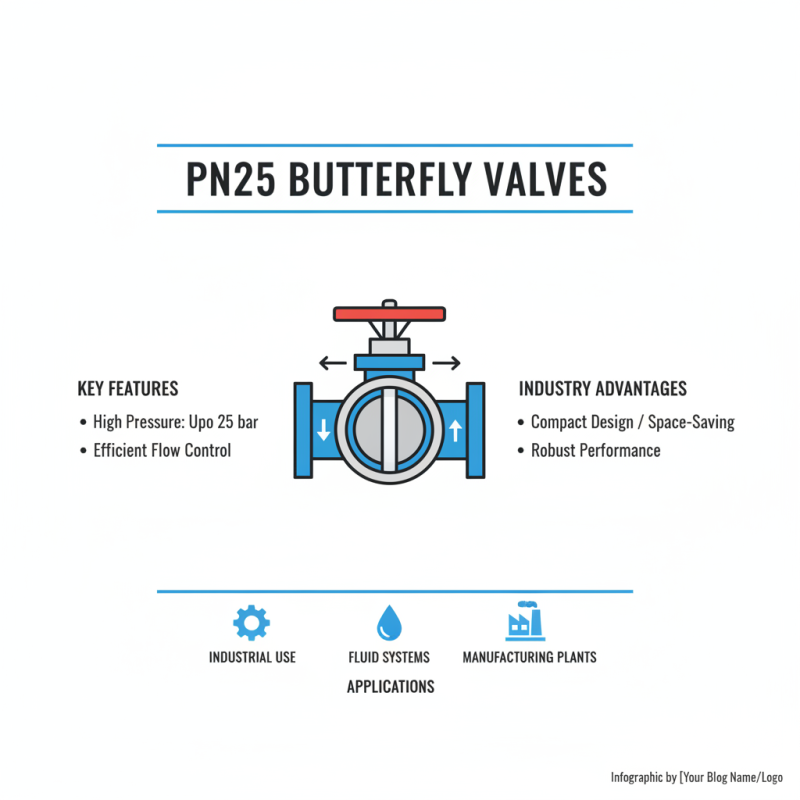
PN25 butterfly valves are essential in various industries due to their robust performance. These valves can handle high pressures of up to 25 bar, making them suitable for demanding applications. They often feature a disc that rotates within a pipe, allowing for effective flow control. Many industry reports indicate that these valves are preferred for their efficiency and compact design. They take up less space compared to other valve types.
The specifications of PN25 butterfly valves adhere to strict industry standards. They are manufactured from various materials, including stainless steel and ductile iron, ensuring durability and corrosion resistance. According to recent data, the global demand for these valves is projected to rise by 4.5% annually. This growth reflects the increasing need for reliable flow control solutions in the chemical and oil industries.
Despite their advantages, there are considerations to note. Not all PN25 valves are created equally. Quality can vary significantly between manufacturers. Some frequently encounter issues like sealing failures or material defects. Buyers should conduct careful research and testing before making decisions. Understanding the specifications and standards is crucial to ensuring optimal performance and reliability in application.
Key Features and Benefits of PN25 Butterfly Valves
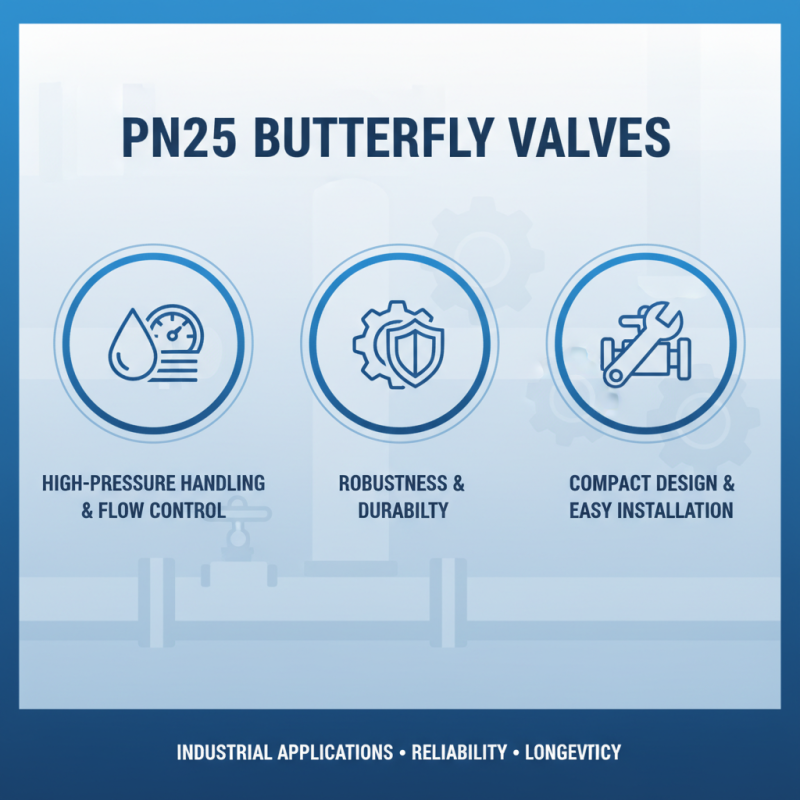
PN25 butterfly valves are essential in various industrial applications. They are designed to handle high pressure while maintaining excellent flow control. These valves are notable for their robustness and durability, making them suitable for demanding environments. The construction usually involves high-quality materials, ensuring reliability and performance longevity. Their compact design allows for easy installation in limited spaces, adding to their versatility.
One key feature of PN25 butterfly valves is their low operational torque. This means they require less force to open and close, contributing to energy efficiency. Additionally, the optional automation can facilitate remote operation, enhancing convenience. These valves also have minimal pressure drop in flow, which improves overall system efficiency.
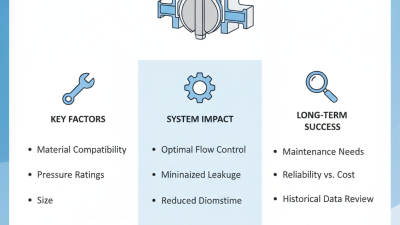
**Tip:** When selecting a PN25 butterfly valve, consider the compatibility of materials with the fluid being transported. This will minimize the risk of corrosion or chemical reactions. Always consult with experts to ensure your choice meets industry standards.
Another aspect to ponder is the valve's maintenance. Regular inspection can prevent unforeseen failures in critical operations. Not all valves are designed equally; some may require more frequent upkeep. Always strive for reliability while keeping in mind the trade-offs between initial cost and long-term efficiency.
Comparison of Top Manufacturers for PN25 Butterfly Valves
When considering PN25 butterfly valves, buyers should prioritize quality and reliability. The market offers various options, but not all manufacturers maintain the same standards. Some companies use subpar materials, impacting performance and longevity. Researching manufacturer reputations is crucial. This ensures you select products that can withstand high pressures without failing.
Key attributes to compare include material specifications and design features. Some valves may feature advanced sealing technologies. These designs can improve the lifespan and reduce the risk of leaks. Look for manufacturers that provide transparent information about their production processes. This transparency often indicates a commitment to quality.
However, price alone should not determine your choice. A lower price might suggest inferior craftsmanship. It can also lead to hidden costs due to repairs and replacements. Always weigh the cost against potential long-term benefits. Engaging with industry professionals can provide insights into the most reliable options available. Collecting feedback from previous users can also be helpful in making an informed decision.
Factors to Consider When Sourcing PN25 Butterfly Valve Solutions
When sourcing PN25 butterfly valves, several factors are crucial for ensuring quality and reliability. One key aspect is the valve material. Valves made of stainless steel often provide better corrosion resistance. According to industry reports, around 40% of failures in valve systems are due to inadequate material selection. Buyers should consider how the environment will impact material performance.
Another critical factor is the design and testing standards of the manufacturer. Seeking valves that meet international standards like ISO 9001 can provide assurance of quality. A significant study indicated that 30% of manufacturers do not follow best practices in their production processes. This underscores the importance of verifying compliance with established testing protocols.
Pricing strategies also matter, but they should not override quality. Research reveals that while low costs attract buyers, they can lead to increased maintenance expenses. In some cases, cheaper valves fail within months. Buyers should weigh upfront costs against long-term performance to optimize their sourcing strategy. This approach can ultimately lead to better operational efficiency and cost savings.
Top Quality Pn25 Butterfly Valve Solutions for Global Buyers
| Dimension |
Material |
Pressure Rating (PN) |
Temperature Range |
Connection Type |
| 2 inch |
Ductile Iron |
PN25 |
-10°C to 120°C |
Wafer |
| 3 inch |
Stainless Steel |
PN25 |
-10°C to 180°C |
Flanged |
| 4 inch |
Cast Iron |
PN25 |
-10°C to 150°C |
Butt Weld |
| 6 inch |
PVC |
PN25 |
0°C to 60°C |
Socket Weld |
Global Market Trends and Demands for Butterfly Valves
The global market for butterfly valves has been evolving rapidly. Recent trends indicate a growing demand for high-quality Pn25 butterfly valves. Various industries, including oil, gas, and water treatment, require these valves for efficient operation. Buyers are increasingly looking for reliability and longevity in their valve solutions. Market analyses suggest that the focus is shifting towards materials that provide better corrosion resistance.
The demand for these valves varies by region. In developing markets, there is an emphasis on cost-effective solutions. In contrast, industrialized countries often prioritize durability and performance. This presents a challenge for manufacturers. They must balance quality and cost while meeting specific regional needs. Factors like installation ease and maintenance also influence purchasing decisions.
Buyers are becoming more knowledgeable. They seek detailed specifications and performance metrics. This trend encourages manufacturers to invest in better product documentation and customer service. However, achieving this can be a complex process. Many companies face hurdles related to sourcing the right materials and maintaining production standards. Addressing these issues is critical for meeting global demands effectively.
Global Market Trends and Demands for Butterfly Valves
This chart illustrates the projected global demand for PN25 butterfly valves across different regions for the year 2023. As shown, the Asia-Pacific region leads in demand, followed by North America and Europe.