Top Tips for Choosing Big Size Butterfly Valves for Your Needs?
Selecting the right Big Size Butterfly Valve for your application can be daunting. The global valve market is expected to reach $82.6 billion by 2027, with butterfly valves holding a significant share due to their versatility. These valves are crucial in industries such as oil and gas, water treatment, and power generation. Making an informed choice involves understanding both technical specifications and operational needs.
In recent years, the demand for big size valves has risen by 7% annually, indicating their importance in large-scale operations. Users must consider factors like pressure ratings, materials, and body types. There is a need for careful evaluation. Many overlook the significance of pipeline conditions or fluid characteristics, leading to costly mistakes. Selecting a poorly designed valve can result in inefficiencies or even failures.
It's essential to rely on reputable suppliers and consult engineering guidelines. Industry standards, such as those set by ASME and ANSI, can provide useful insights. However, not all valves meet these standards consistently. Buyers should be wary of cheaper alternatives that may compromise safety and performance. Doing thorough research is key to ensuring reliability and longevity in your system.
Understanding the Basics of Big Size Butterfly Valves
When selecting big size butterfly valves, it's crucial to understand their fundamental aspects. Butterfly valves are widely used in various industries, including water treatment, oil and gas, and chemical processing. According to a recent market report, the global butterfly valve market size was valued at approximately $2.5 billion in 2022, with projections indicating a growth rate of about 4.9% from 2023 to 2030. This highlights the increasing reliance on these valves for efficient fluid control in large systems.
Key features to consider are the valve design, material, and operating conditions. Big size butterfly valves often come in different designs, such as resilient seated or metal seated. Each design serves a specific purpose and performance level, impacting the longevity and reliability of the valve. Experts recommend analyzing the pressure, temperature, and fluid type that the valve will handle. Shortcomings in choosing the right specification can lead to valve failure. A valve that cannot withstand high pressure might leak, causing operational inefficiencies.
In addition to technical specifications, understanding maintenance protocols is essential. Regular maintenance helps prevent unexpected failures, which can be costly. However, many facilities overlook this aspect, leading to increased downtime. Reports suggest that unplanned valve maintenance can account for over 30% of total operational costs. Awareness of these essential factors can significantly improve the performance and lifespan of big size butterfly valves.
Key Factors to Consider When Selecting Butterfly Valves
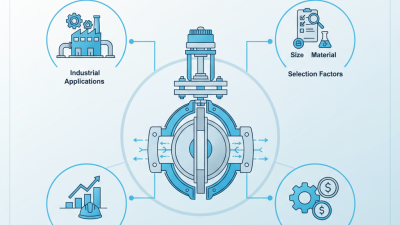
When selecting big size butterfly valves, several key factors come into play.
Material choice is crucial. Common options like stainless steel and ductile iron each have unique properties.
For example, stainless steel offers corrosion resistance, while ductile iron provides strength.
Understanding the specific application will guide your material selection.
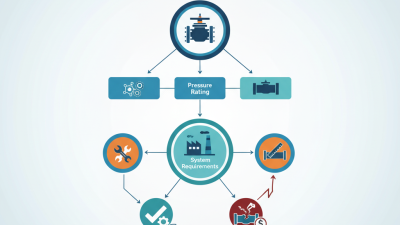
Another important consideration is the valve's pressure rating. Ensure it meets the demands of your system.
Overlooking this can result in costly failures. Size also matters significantly. The diameter should match the pipe system while considering flow requirements.
Proper sizing ensures efficient operation and energy savings.
Additionally, pay attention to the valve design. Features like seat type and actuator compatibility influence functionality.
Look for designs that offer easy maintenance and reliable performance.
Sometimes, users find themselves wishing they had chosen a different design after installation.
Frequent system changes may necessitate more flexible options. This highlights the need for research and careful planning before purchasing.
Material Options for Big Size Butterfly Valves and Their Impact
When selecting big size butterfly valves, the material is critical. The right material affects durability and performance. Stainless steel is popular for its corrosion resistance. In contrast, ductile iron is often chosen for its strength and cost-effectiveness. According to a report from the Valve Manufacturers Association, about 30% of industrial applications prefer stainless steel for high-pressure services.
Different materials can impact flow efficiency. For instance, brass valves can provide tighter seals, which improve operational efficiency. However, they may not withstand high temperatures. The American Society of Mechanical Engineers suggests evaluating temperature ranges when choosing materials. Additionally, polyvinyl chloride (PVC) is lightweight and less expensive, making it suitable for specific applications.
While many factors are at play, manufacturers often admit to challenges in balancing cost and quality. A mismatch can lead to premature valve failure. This underlines the need for careful analysis. Understanding the specific requirements of your application is essential. Consider the environment and the materials' long-term performance to make informed decisions.
Sizing and Dimensional Considerations for Optimal Performance
When selecting large butterfly valves, size and dimensions play a crucial role in performance. The right size ensures proper flow control and sealing integrity. A valve that is too large can lead to inefficient operation. Conversely, a valve that is too small may cause pressure drops and inadequate flow.
Consider your system's pressure and temperature conditions. These factors directly impact the dimensions needed for optimal performance. Measuring the pipe diameter accurately is essential. Any errors here can lead to costly adjustments later. Don't forget to evaluate the valve's connection type, as this affects how it integrates into your existing system.
One important tip is to consult manufacturer guidelines or industry standards. These documents provide valuable insights into proper sizing. It’s also wise to involve experienced engineers in the selection process. Their insights can help mitigate potential issues during installation. Finally, keep in mind that an oversized valve may seem convenient, but it can introduce significant inefficiencies. Being thorough in your dimensional analysis will yield the best results.
Top Tips for Choosing Big Size Butterfly Valves for Your Needs
| Dimension |
Value |
Consideration |
| Valve Size |
8" to 48" |
Select size based on the flow rate required |
| Pressure Rating |
150 psi to 600 psi |
Ensure compatibility with system pressure |
| Material |
Cast Iron, Stainless Steel, PVC |
Choose material based on media type |
| Actuation Type |
Manual, Electric, Pneumatic |
Consider operation ease and automation needs |
| End Connection Type |
Flanged, Wafer, Lug |
Match with piping system |
| Temperature Range |
-50°F to 350°F |
Ensure materials can withstand temperature |
Common Applications and Best Practices for Butterfly Valve Use
When choosing big size butterfly valves, understanding their applications is crucial. These valves are commonly used in water treatment, HVAC systems, and industrial processes. They excel in handling large volumes of flow with minimal pressure drop. According to industry research, butterfly valves can be up to 70% lighter than traditional gate valves, making them a preferred choice for large pipelines.
One key practice is ensuring proper installation. Improper alignment can lead to leakage and reduce efficiency. Regular maintenance is also vital. Studies indicate that valves that are routinely checked can last significantly longer—up to 30% more. Operators should pay attention to wear and tear, especially in high-pressure applications.
Tip: Select a valve with a higher temperature rating if your system handles heat fluctuations. Another tip is to consider the actuator type. Automated options can enhance control and efficiency, particularly in complex systems. Evaluation of specific needs can lead to smarter choices and improved operational longevity.
Performance Comparison of Various Butterfly Valve Types