Why Choose Pn25 Butterfly Valve for Your Industrial Needs?
In the industrial sector, reliable valve systems are vital for efficient operations. The Pn25 Butterfly Valve stands out due to its crucial features. According to the latest market report by Research and Markets, the demand for high-performance valves is projected to grow significantly by 2025. Butterfly valves account for a substantial share of this growth, thanks to their efficiency and cost-effectiveness.
The Pn25 Butterfly Valve is particularly designed for high-pressure applications, handling pressures up to 25 bar. Its lightweight design facilitates easy handling and installation. Furthermore, a study by the International Journal of Engineering Research highlights how these valves reduce energy consumption by up to 30% in various industrial processes. This efficiency not only lowers operational costs but also enhances system reliability.
However, it’s essential to consider the installation environment for Pn25 Butterfly Valves. Factors such as temperature extremes and corrosive substances can impact performance. Regular maintenance and inspections are crucial to prevent failures. By addressing these challenges, industries can truly benefit from the advantages offered by Pn25 Butterfly Valves, ensuring long-term operational success.

Understanding the Pn25 Butterfly Valve: Key Features and Benefits
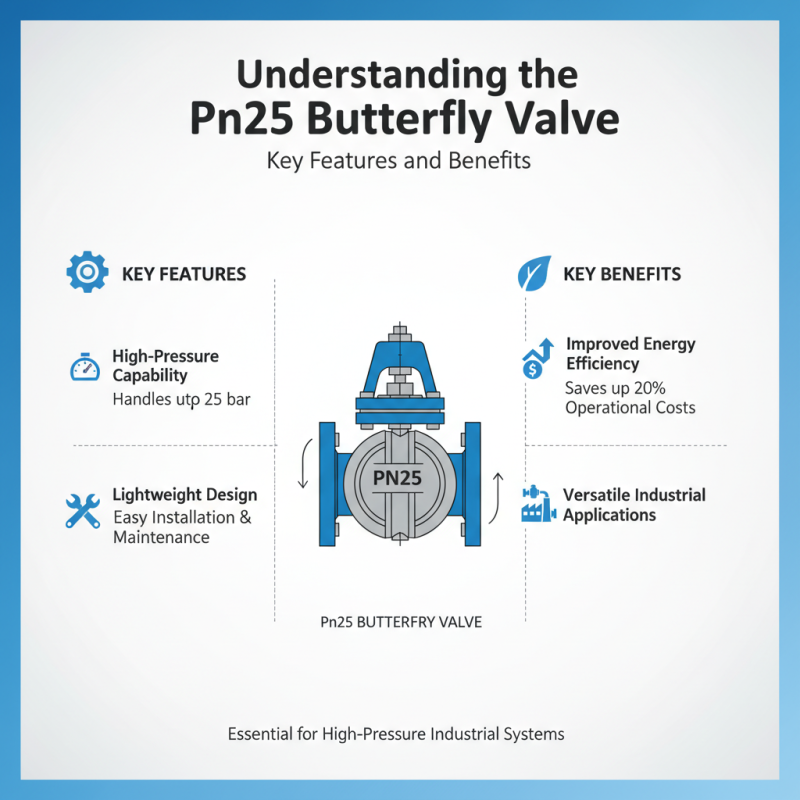
The Pn25 butterfly valve is a critical component in various industrial applications. This valve type can handle pressures up to 25 bar, making it ideal for high-pressure environments. Its lightweight design ensures easy installation and maintenance. Many industries have reported improvements in energy efficiency when using Pn25 butterfly valves, often saving up to 20% in operational costs.
Key features of the Pn25 butterfly valve include a resilient seat and a robust disc design. The resilient seat enhances sealing efficiency, preventing leaks under high pressure. Additionally, the disc's aerodynamics contribute to reduced turbulence, which can lead to prolonged system life. According to a recent industry report, the use of Pn25 valves has increased by 30% in water and wastewater management sectors, highlighting their growing popularity.
Tip: When selecting a Pn25 butterfly valve, consider the materials used. The choice of materials can significantly affect performance and longevity. A well-chosen valve can minimize downtime and repair costs.
However, it's essential to ensure proper sizing and specification. Improperly sized valves can lead to excessive wear and tear. Regular inspection and maintenance are crucial. A proactive approach will ensure longevity and reliability in your operations.
Applications of Pn25 Butterfly Valves in Industrial Settings
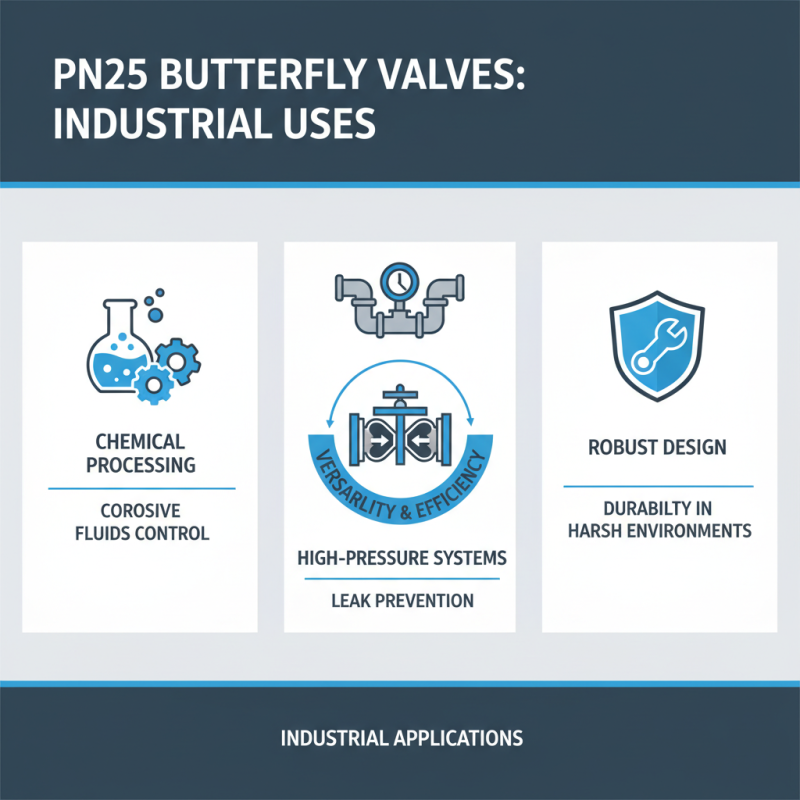
Pn25 butterfly valves are widely used in various industrial applications due to their versatility and efficiency. In chemical processing, these valves help control the flow of corrosive fluids. Their robust design ensures durability even in harsh environments. This feature is crucial when dealing with high-pressure systems where leaks can lead to costly failures.
In water treatment facilities, Pn25 butterfly valves play a critical role in managing water flow. They ensure proper distribution within pipelines, contributing to effective treatment processes. Their lightweight construction also simplifies installation and maintenance. However, it's essential to regularly inspect these valves to avoid unexpected breakdowns.
Moreover, in HVAC systems, Pn25 butterfly valves regulate airflow. They can facilitate precise control of temperature and ventilation levels. Yet, operators must assess the system's overall design to ensure compatibility. Without careful consideration, inefficiencies may arise, leading to potential operational issues.
Comparing Pn25 Butterfly Valves with Other Valve Types
When choosing valves for industrial applications, Pn25 butterfly valves present a unique combination of benefits. They excel in handling high-pressure environments. The British Standards Institute states that Pn25 valves can withstand pressures up to 25 bar. This capability makes them suitable for oil, gas, and water industries. However, their performance can be compromised in corrosive environments.
Comparing Pn25 butterfly valves with other valve types reveals notable differences. For example, gate valves are preferred for shut-off applications, but they are slower to operate. A study from the American Society of Mechanical Engineers highlights that butterfly valves can open and close 90 degrees in seconds, making them more efficient in dynamic systems. However, they can struggle with precise flow control compared to globe valves, which offer more accuracy.
Despite their advantages, Pn25 butterfly valves aren't always the best choice. They can experience issues with sealing under certain conditions. Additionally, in low-pressure applications, their design may lead to unnecessary energy use. Ensuring the right valve type for specific needs requires careful evaluation of the operating environment and system requirements.
Factors Influencing the Selection of Pn25 Butterfly Valves
When selecting a Pn25 butterfly valve for industrial applications, several factors come into play. First, pressure rating is crucial. Pn25 indicates the valve can handle pressures up to 25 bar. This is essential for high-pressure systems, ensuring safety and efficiency. Understanding your system’s specific pressure requirements helps avoid valve failure.
Next, material compatibility is vital. Valves need to resist corrosion and wear from the media they control. A stainless steel body might be preferred for harsh environments. Regular maintenance can ensure longevity, but it requires planning and resources. Sometimes, even minor oversight can lead to costly repairs.
Another important aspect is the valve's size. Choosing the right diameter is key to achieving optimal flow rates. Mismatched sizes can restrict flow, resulting in energy loss. It's worth noting that installation space and access for maintenance influence size decisions. Proper installation methods can prevent future issues, but adherence to guidelines is sometimes overlooked. Each choice requires careful consideration to avoid mistakes that complicate operations.
Maintenance Tips for Ensuring Longevity of Pn25 Butterfly Valves
Maintaining the longevity of Pn25 butterfly valves requires diligence and attention to detail. Regular inspections are crucial. According to a study by the Valve Manufacturers Association, proper maintenance can extend the lifespan of industrial valves by up to 30%. Look for leaks or irregularities in seating surfaces. Early detection leads to more efficient repairs and replaces costly downtimes.
Cleaning the valve body and actuator is essential. Build-up can affect performance. Use suitable cleaning agents that are compatible with the valve materials. Avoid abrasive substances, as they can damage surfaces. Additionally, lubrication is vital. Ensure that moving parts are free from debris and properly lubricated with recommended oils. Regular maintenance schedules contribute to valve health over time, promoting reliability in operations.
Finally, consider environmental factors. A 2022 industry report highlighted that corrosive environments can diminish valve durability. Adapt your maintenance routine based on operational conditions. Document each procedure. This creates a reliable history of performance and issues, guiding future maintenance decisions. Reflecting on these practices can lead to improved outcomes and enhanced system integrity.