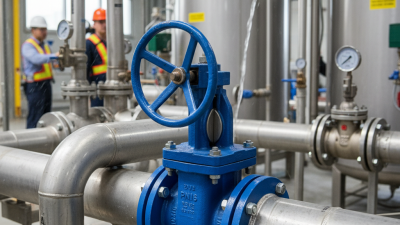
China Top Pn40 Butterfly Valve Overview and Applications Explained?
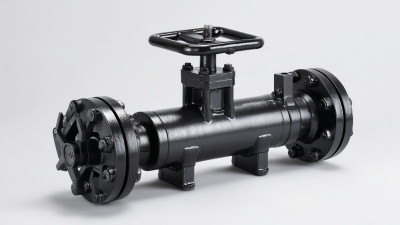
The Pn40 Butterfly Valve is a crucial component in modern piping systems. It plays an essential role in controlling fluid flow efficiently. This valve type is designed to handle high-pressure applications, making it reliable in various industries.
One of the most notable features of the Pn40 Butterfly Valve is its lightweight design. This characteristic simplifies installation and maintenance. Furthermore, it provides excellent sealing capabilities, ensuring that leaks are minimized. Many professionals in the field highlight its durability and long service life. Yet, there remain concerns about its sensitivity to certain temperatures and pressures.
In industries such as water treatment and oil refining, the Pn40 Butterfly Valve is widely used. Its versatility allows for a range of applications, from regulating flow to isolating sections of pipelines. Users appreciate its ease of operation and low torque requirements. However, critical reflection is necessary to identify potential failure modes and improve designs. Ultimately, the Pn40 Butterfly Valve stands as a vital tool, reflecting both innovation and the need for continuous improvement in valve technology.
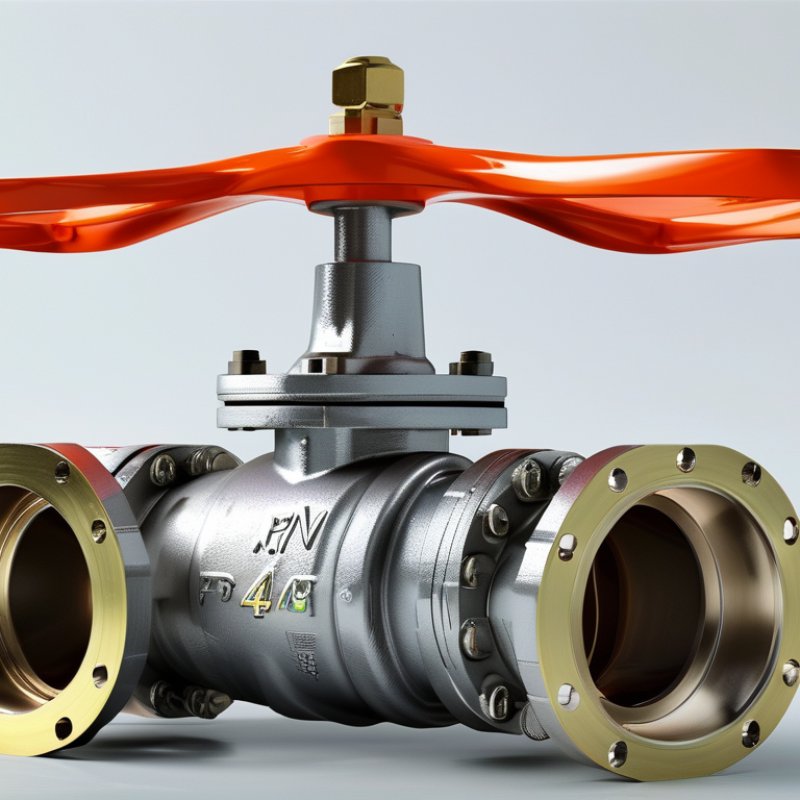
Overview of China Top Pn40 Butterfly Valve Features and Specifications
When discussing the China Top Pn40 Butterfly Valve, it's essential to focus on its features and specifications.
This valve is designed for various applications, particularly in water and wastewater management.
Its robust construction ensures durability even under high-pressure conditions.
The Pn40 rating indicates it can withstand significant pressure, making it suitable for demanding environments.
These valves are often made from high-grade materials like stainless steel or ductile iron.
This improves resistance to corrosion and extends service life.
They typically feature a lightweight design, allowing for easy installation and maintenance.
The quarter-turn operation is efficient and helps in quick responses to flow requirements.
Tip: Always consider the operating environment when choosing a valve. For example, a corrosive atmosphere may demand specific materials.
Additionally, the sealing mechanism of the Pn40 Butterfly Valve plays a crucial role.
It provides a tight shut-off, vital for preventing leaks. However, the durability of the seal can vary, reflecting the importance of regular inspections.
Tip: Regular maintenance is essential for performance.
Checking seals and actuators helps enhance longevity.
Applications of Pn40 Butterfly Valves in Various Industries
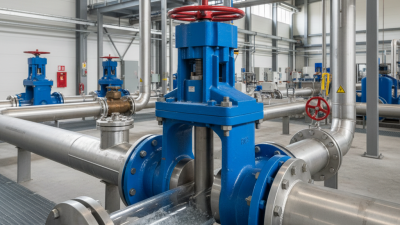
Pn40 butterfly valves are widely utilized across various industries due to their robustness and adaptability. In the water treatment sector, these valves control the flow of liquids effectively. They are especially beneficial in managing high-pressure water systems. The design allows for smooth operation, even with varying flow rates.
In the oil and gas industry, Pn40 butterfly valves have crucial roles. They can handle large volumes of hydrocarbons while maintaining safety standards. These valves contribute to operational efficiency, reducing the risk of leaks. Still, installation and maintenance can pose challenges. Proper training and expertise are essential to ensure optimal performance.
Moreover, chemical processing facilities rely on Pn40 butterfly valves for handling aggressive fluids. These valves resist corrosion and wear. However, improper selection for specific chemicals can lead to failure. Continuous assessment of conditions is needed. This emphasizes the importance of knowledge in selecting the right valve for the application.
China Top Pn40 Butterfly Valve Overview and Applications Explained
| Application Industry |
Temperature Range (°C) |
Pressure Rating (PN) |
Material |
Typical Use Case |
| Water Treatment |
-10 to 80 |
40 |
Carbon Steel |
Regulating flow and pressure in water systems |
| Oil and Gas |
-20 to 150 |
40 |
Stainless Steel |
Control of flow and pressure in pipeline systems |
| Chemical Processing |
-10 to 120 |
40 |
PVC |
Handling corrosive chemicals |
| HVAC Systems |
-5 to 70 |
40 |
Aluminum |
Regulating airflow in heating and cooling systems |
| Power Generation |
0 to 200 |
40 |
Cast Iron |
Control of steam and water flow |
Operation Principles of Butterfly Valves: Mechanics and Functionality
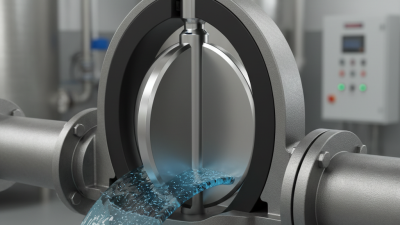
Butterfly valves are widely used in various industries due to their simple design and efficient operation. Understanding the mechanics behind their function is crucial. These valves utilize a circular disc that rotates around a central axis. This disc moves to either allow or block fluid flow. The mechanism is straightforward but highly effective in regulating flow.
The operation of a butterfly valve is often compared to a windmill. As the valve opens, fluid flows smoothly through. This process involves minimal turbulence. However, it's important to note that improper installation can lead to problems. Misalignment may cause premature wear or leakage.
Tip: Always ensure correct alignment during installation. This step can help extend the valve's lifespan. Additionally, regular maintenance is essential. Periodically checking seals and disc integrity can prevent performance degradation.
Another consideration is the actuator type. Manual, electric, and pneumatic options are available. Each type offers unique advantages, but choices should be based on specific application needs. Users sometimes overlook this aspect, leading to inefficiencies. Selecting the right actuator enhances operational efficiency significantly.
China Top PN40 Butterfly Valve Overview and Applications
This chart illustrates the various applications of PN40 Butterfly Valves in multiple industries, showcasing their usage in terms of percentage distribution.
Advantages of Using Pn40 Butterfly Valves in Fluid Control Systems
When it comes to fluid control systems, Pn40 butterfly valves offer significant advantages. These valves are designed to operate efficiently under high pressure, making them ideal for a variety of applications. Their lightweight design allows for easy installation and maintenance, which can save time and costs in industrial settings.
One major benefit of using Pn40 butterfly valves is their ability to regulate fluid flow with precision. The disc of the valve rotates, providing excellent control over the opening and closing stages. This feature is particularly useful in systems that require fast response times. Additionally, these valves can handle different types of fluids, including liquids, gases, and slurries.
Tips: Consider the specific requirements of your system before selecting a Pn40 butterfly valve. Proper sizing is crucial for optimal performance. Also, regular maintenance is essential, as neglected valves can lead to issues like leaks or reduced efficiency.
Another advantage is their versatility. Pn40 butterfly valves can be used in various industries, from water treatment to chemical processing. They can adapt to different environments without compromising performance. However, users should be aware of potential limitations. For instance, extreme temperatures might affect the sealing ability of some materials. It's important to evaluate conditions before installation.
Maintenance Tips for Ensuring Longevity of Butterfly Valves in Service
Maintaining butterfly valves is crucial for their longevity. Regular inspection can prevent unexpected failures. Look for leaks or unusual noises during operation. Small issues can escalate quickly if ignored. Proper maintenance minimizes downtime and repair costs.
Lubrication is often overlooked. Ensure that the packing and stem are lubricated regularly. This reduces friction and helps the valve operate smoothly. A little grease can go a long way in extending the valve’s working life. Remember to avoid excessive lubrication, as it can attract dirt.
Another key factor is environmental consideration. Extreme temperatures can affect the valve's performance. Protect valves from harsh conditions when possible. Ambient temperatures can change valve characteristics over time. Evaluate your system regularly to ensure optimal performance. Regular checks can ensure that your valves operate efficiently and remain reliable.