How to Choose the Right Pn40 Butterfly Valve for Your Needs?
Choosing the right Pn40 Butterfly Valve is essential for various industrial applications. These valves play a crucial role in controlling fluid flow. Yet, many users overlook key factors when making their selection.
Understanding the Pn40 rating is vital. It indicates the valve's pressure capacity, ensuring safety and effectiveness. Users must consider the medium being controlled. Different fluids require specific materials for the valve to function effectively.
Installation and maintenance are often underestimated. A poorly installed valve can lead to leaks or even system failures. Take time to understand your system's requirements. Consult with professionals if needed. Getting it right the first time can save time and resources in the long run.
Understanding the Basics of Pn40 Butterfly Valves
When selecting a PN40 butterfly valve, understanding its basics is essential. PN40 valves can handle high pressures, making them suitable for various applications. They are commonly used in water treatment, chemical processing, and oil and gas industries. Industry reports indicate that improper selection can lead to equipment failure, resulting in downtime and costly repairs.
A PN40 butterfly valve’s design includes a disc, shaft, and seat that work together to control flow. The choice of material for these components greatly impacts performance. Stainless steel is a popular option due to its corrosion resistance and durability. However, some applications might necessitate alternative materials. Investigating the specific conditions your valve will face is crucial to ensure longevity.
Data shows that 35% of failures in valves occur due to incorrect sizing and installation. This highlights the importance of accurate specifications during the selection process. Users should also consider maintenance routines that can optimize lifecycle performance. Regular inspections can help identify wear and prevent unexpected breakdowns.
How to Choose the Right Pn40 Butterfly Valve for Your Needs? - Understanding the Basics of Pn40 Butterfly Valves
| Dimension |
Value |
| Nominal Size |
DN 100 - DN 600 |
| Pressure Rating |
PN40 |
| Body Material |
Cast Iron, Stainless Steel |
| Disc Material |
Stainless Steel, PVC |
| Temperature Range |
-10°C to 120°C |
| Connection Type |
Flanged, Lugged |
| Actuation Type |
Manual, Electric, Pneumatic |
| Applications |
Water Treatment, Oil & Gas, HVAC |
Key Factors to Consider When Selecting a Butterfly Valve
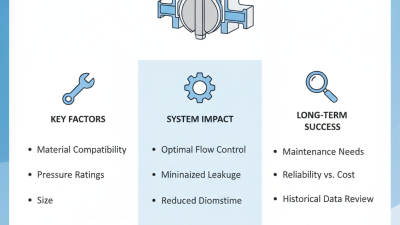
When selecting a Pn40 butterfly valve, several key factors come into play. Understanding the application's fluid type is essential. Corrosive fluids may demand specific materials to prevent damage. The operating pressure and temperature range must align with the valve's specifications. This alignment helps ensure durability and reliability.
Another critical factor is the valve size. A butterfly valve must fit the specific pipeline diameter. Miscalculating size can lead to inefficient flow and potential leaks. Actuation methods, whether manual or automated, also influence the decision. The right actuation enhances usability and maintenance.
Finally, consider the installation environment. Is the valve exposed to harsh conditions? If yes, choose materials that withstand these challenges. A thoughtful selection process can prevent costly replacements later. However, it’s easy to overlook minor details. Always double-check specifications and ensure compliance with industry standards.
Assessing the Material and Design Requirements
When selecting a Pn40 butterfly valve, understanding the material and design requirements is crucial. The material directly affects the valve's durability, resistance to corrosion, and suitability for different applications. Common materials include stainless steel, cast iron, and polymer composites. Each offers distinct benefits but also has limitations. Assessing the operating environment helps determine the best choice. For instance, harsh chemicals may necessitate specialized coatings or materials.
The design of the valve also plays a significant role. Consider the connection type and the space available for installation. Flanged, lug, or wafer designs each have unique installation requirements. The actuator type is another factor; manual or automatic options affect operation efficiency. Ensuring that the chosen valve aligns with system specifications promotes reliability. However, some users overlook the importance of matching the valve design to actual operational needs. This can lead to unexpected failures or inefficiencies. Regular assessments of usage and performance can lead to better decision-making in future purchases.
Material and Design Requirements for Pn40 Butterfly Valves
Evaluating Size and Flow Characteristics
When selecting a PN40 butterfly valve, understanding size and flow characteristics is crucial. The size of the valve directly impacts its performance and flow capacity. According to a recent industry report, an improper valve size can lead to significant pressure drops. This often results in inefficiencies in system operations.
Flow characteristics also play a vital role. A valve’s design dictates how fluid flows through. Different flow coefficients (Kv values) are critical for determining how much fluid can pass without causing turbulence. An optimal flow path can ensure minimal energy loss and maintain system pressure. Data indicates that mismatches between valve size and flow needs can lead to energy wastage of up to 30%.
Choosing the right valve involves careful consideration of both size and flow dynamics. It's essential to assess the operating conditions and system requirements. Inaccurate sizing can lead to poor performance. Relying solely on standard specifications without real-world scoping can result in unforeseen issues. Adjustments during operations may be necessary as system demands evolve.
Maintaining Regulatory Standards and Compliance
When selecting a PN40 butterfly valve, compliance with regulations is crucial. Proper adherence guarantees safety and efficiency in various industries. The valve must meet national and international standards. This ensures reliability and quality, essential for critical operations. Understanding local regulations can be complex. Many organizations provide guidelines and documentation to assist in this process.
Maintaining compliance also involves regular inspections and maintenance. It is essential to document all processes thoroughly. Keeping detailed records helps prove adherence to regulatory standards. In some cases, older valves may not meet current requirements. Upgrading or retrofitting could be necessary for compliance. Evaluating the existing systems is vital before making decisions.
Choosing the right PN40 butterfly valve requires careful consideration. Many factors, including material, design, and application, play a role. Relying on expert advice can mitigate risks. However, not all experts have the same level of knowledge. It’s important to verify their credentials. In an evolving regulatory landscape, consistent attention to compliance strengthens operational integrity.