En593 Butterfly Valve Types and Their Best Applications?
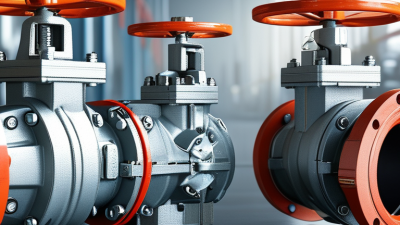
The En593 Butterfly Valve is a critical component in various industrial applications. These valves are known for their lightweight design and efficient operation. According to a recent report by Global Market Insights, the valve market is projected to grow significantly, with a focus on automation within industries. This growth highlights the increasing reliance on advanced technologies, including the En593 Butterfly Valve.
Expert John Smith, a prominent figure in valve technology, states, "The En593 Butterfly Valve combines reliability with flexibility, making it ideal for diverse applications." His insights reflect the industry's shift towards versatile solutions capable of meeting stringent requirements. From water treatment to oil and gas, the En593 Butterfly Valve serves multiple sectors effectively.
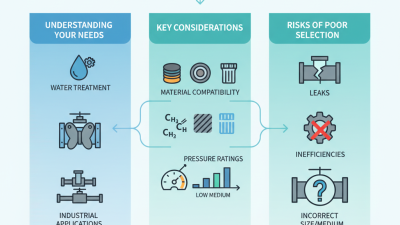
However, the selection process can be challenging. Factors such as pressure ratings and material compatibility often complicate choices. Understanding these variables is essential for optimal performance. In this evolving landscape, industry professionals must navigate these complexities while ensuring quality and safety in valve applications.
En593 Butterfly Valve Overview and Specifications
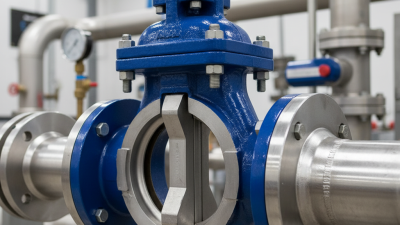
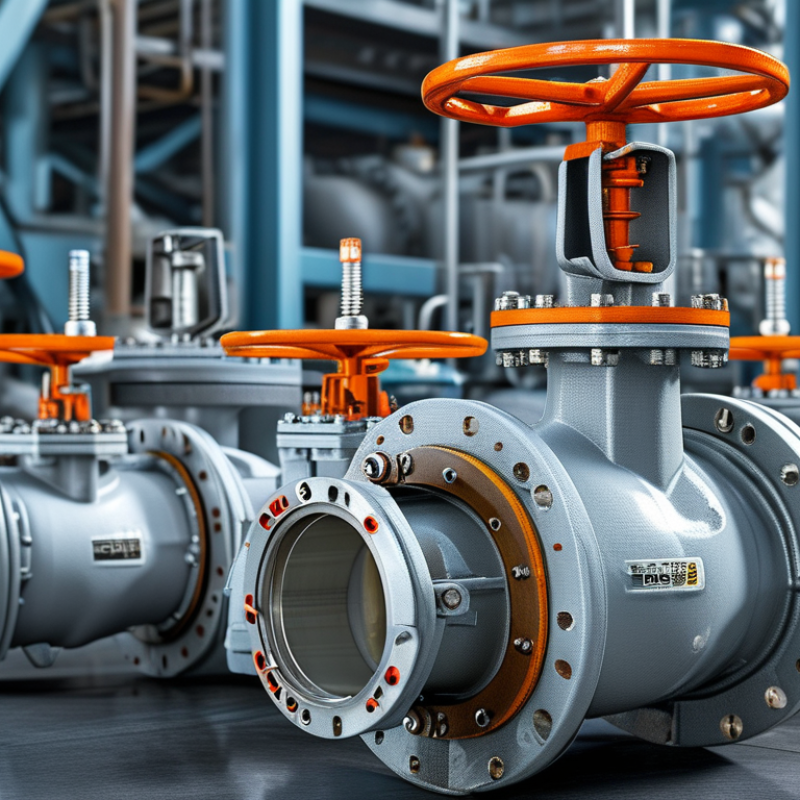
The EN593 butterfly valve is essential for various applications. These valves are designed to control flow with precision. Typically crafted from durable materials, they offer longevity and resistance to harsh environments. Their lightweight design facilitates easy installation and maintenance, making them popular in many industries.
Specifications of EN593 valves vary significantly. They are available in different sizes, ranging from small diameters for limited spaces to larger ones for robust systems. The valve's construction usually features a disc that rotates to open or close the flow. This mechanism allows for quick adjustments, enhancing operational efficiency. Various seat materials are used, affecting the valve's suitability for specific fluids.
While EN593 butterfly valves are reliable, challenges exist. Handling high pressure can be tricky, and improper installation leads to leaks. Users must ensure compatibility with their systems. Maintenance is crucial to prevent wear and tear. Regular inspections help identify potential issues early, ensuring continued performance.
Key Characteristics of En593 Butterfly Valves
EN593 butterfly valves are widely recognized for their versatility and reliability in various applications. These valves offer key characteristics that make them unique. Their robust design allows for excellent flow control. They can handle a wide range of fluids, including water, air, and gases. This adaptability suits industries such as water treatment, HVAC, and petrochemical processes.
A significant feature of EN593 valves is their lightweight construction. This trait makes installation and maintenance easier. Moreover, the disc design minimizes turbulence, enhancing overall efficiency. The valve's ability to operate in both on-off and throttling modes is valuable for different operational needs. Yet, one must consider their operational limits. In high-flow applications, these valves may not perform as effectively. Understanding these aspects is important for optimal use.
Lastly, the materials used in the construction of EN593 valves also play a critical role. Stainless steel, cast iron, and high-performance plastics are common choices. Each material presents unique benefits and drawbacks. For instance, while stainless steel resists corrosion, it may not be ideal for all environments. Balancing these factors is essential when selecting the right valve for specific applications.
Types of En593 Butterfly Valves and Their Features
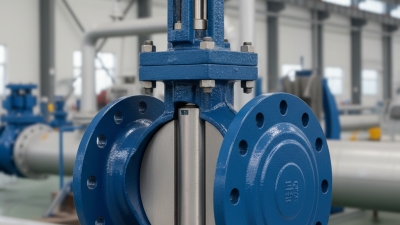
The EN 593 butterfly valve comes in various types, each designed for specific applications. Wafer, lug, and flange types are the main variations. Wafer valves are lightweight and compact, making them suitable for tight spaces. Their installation is simple and cost-effective. Lug valves provide better reliability when piping systems are disconnected. They are ideal for dead-end applications. Flanged valves, with their sturdy connection, cater to heavy-duty services.
Each valve type features distinct operational abilities. The disc mechanism allows for quick modulation of flow. This enables operators to adjust the valve position effortlessly. Materials used vary significantly—stainless steel, cast iron, and plastic are common. Each material choice impacts durability and performance. It’s essential to consider temperature and pressure ratings. Often, engineers overlook these factors. This oversight can lead to valve failure in demanding environments.
Understanding the environment and purpose is critical. Not all butterfly valves are interchangeable. The wrong choice may result in inefficiency and costly repairs. Technical specifications can be overwhelming. Gathering insights from experienced professionals can aid in making informed decisions. Adopting a proactive approach will improve overall system reliability and safety.
Best Applications for En593 Butterfly Valves in Various Industries
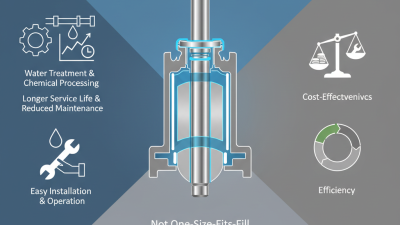
The EN593 butterfly valve is known for its versatility across various industries. In water treatment, these valves ensure smooth flow regulation. According to a report from the International Water Association, nearly 70% of municipal facilities use butterfly valves for controlling water supply systems. Their lightweight design allows for easier installation and maintenance, significantly reducing operational downtime.
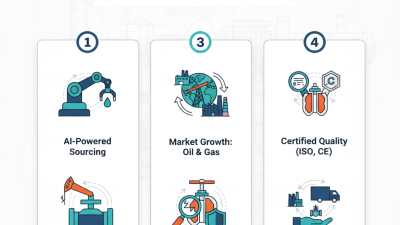
In the oil and gas sector, EN593 butterfly valves excel in handling corrosive media. Their reliable sealing capabilities contribute to system efficiency. Research indicates that over 65% of offshore platforms employ these valves for flow control in pipelines. This translates to reduced leakage and enhanced safety in high-stakes environments. However, it’s essential to evaluate the material compatibility with specific fluids to avoid costly failures.
The chemical industry also benefits from EN593 butterfly valves. These valves are often used in mixing and processing applications. A study showed that 55% of chemical processing plants adopted these valves for their quick response time. While they offer excellent performance, there can be challenges related to temperature limits and pressure ratings that need careful consideration. Proper selection based on operational conditions is crucial for ensuring longevity and reliability in demanding applications.
Comparative Analysis of En593 Butterfly Valves Performance Metrics
When considering the performance of EN593 butterfly valves, several key metrics come into play. These valves are known for their efficiency in controlling flow. They can handle high pressure and temperature variations, which makes them suitable for various applications. The design allows for smooth operation, and this is critical in processes requiring precision.
A comparative analysis reveals that different valve types offer unique advantages. For instance, wafer-style butterfly valves are lighter and easier to install. However, lugged versions provide greater stability in certain systems. Sometimes, users may overlook these differences, leading to suboptimal selections. It’s essential for engineers to evaluate specific requirements like flow rate and environment before making choices.
Another aspect worth reflecting on is maintenance. Some butterfly valves require frequent checks, while others have minimal upkeep. This variation can significantly impact operational costs. Users may need to reconsider their strategies for valve selection based on long-term performance metrics. Ultimately, understanding these metrics can lead to more informed decisions in valve applications.