What is Ebonite Lining Butterfly Valve and Its Benefits?
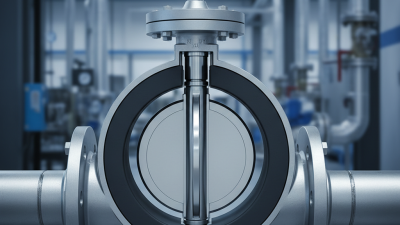
The Ebonite Lining Butterfly Valve is a remarkable innovation in fluid control technology. This type of valve features a unique ebonite lining that enhances durability and resistance to corrosive environments. Ebonite, a hard rubber-like material, provides a superior seal while minimizing leakage risk. Its design allows for smooth operation, making it ideal for various industrial applications.
Many industries rely on effective sealing solutions, and the Ebonite Lining Butterfly Valve excels in this area. Its robust construction ensures longevity, even in challenging conditions. Users often appreciate the ease of installation and maintenance. However, understanding its limitations is crucial, as misapplications can lead to performance issues.
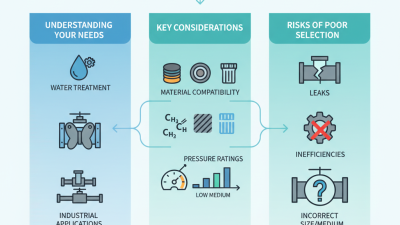
Choosing the right valve is not trivial. Users must consider factors like pressure, temperature, and fluid compatibility. While the Ebonite Lining Butterfly Valve offers many advantages, it may not suit every situation. Making informed decisions requires careful assessment of individual needs and application specifics.
What is Ebonite Lining in Butterfly Valves?
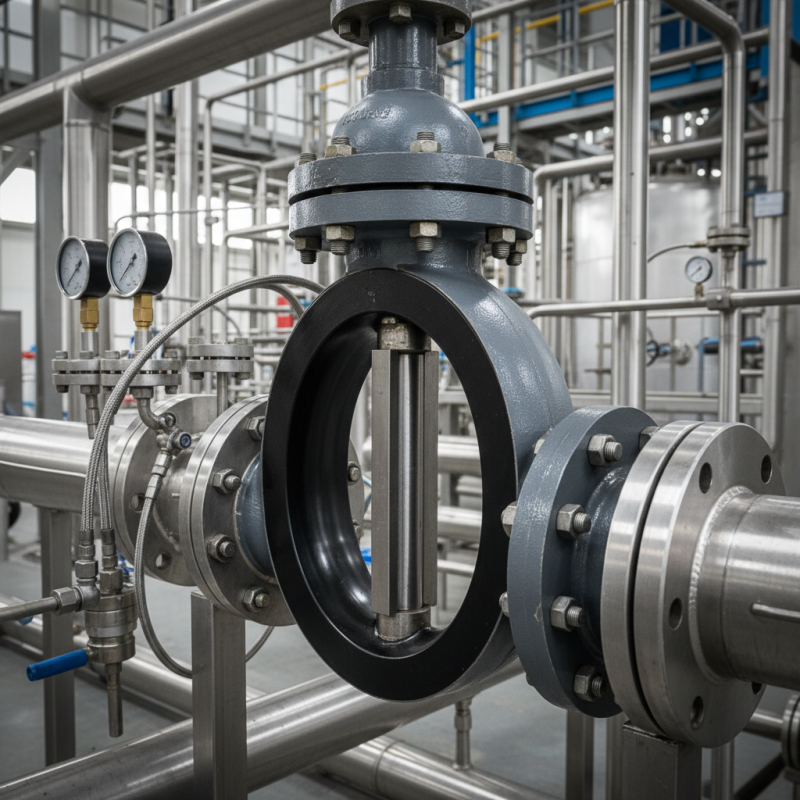
Ebonite lining in butterfly valves is a specialized coating that enhances performance in demanding environments.
Ebonite, a sulfur-treated natural rubber, offers excellent resistance to chemicals and abrasive materials. This protective layer is crucial in industries like oil and gas, where exposure to corrosive fluids is common.
According to a report by Global Valve Market Analysis, the demand for butterfly valves with specialized linings has surged by 15% in the last five years.
Implementing ebonite lining provides notable benefits. It improves sealing capabilities and extends the service life of the valve. Ebonite's elasticity creates a tight seal, preventing leaks. Data indicates that valves with ebonite linings can last up to 50% longer than those without. However, installation processes may require adjustment, as improper fitting can negate these advantages. Industry experts recommend careful evaluation when selecting this type of lining to ensure optimal performance.
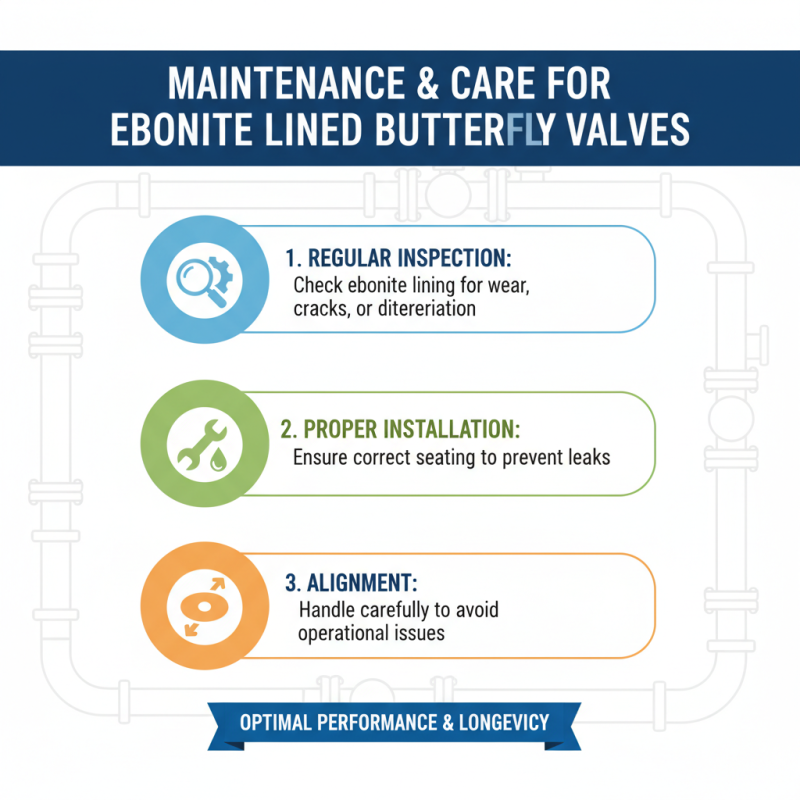
Misalignments or poor quality control can lead to significant operational failures.
In practical applications, ebonite-lined butterfly valves show promise. They withstand high pressures and temperatures, making them suitable for various settings. Despite these benefits, users must remain vigilant about maintenance.
Regular inspections are necessary to identify wear and ensure longevity. The balance between efficiency and durability remains a central challenge in valve technology.
Characteristics of Ebonite Material in Valves
Ebonite is a hard rubber material known for its unique properties. This material is often used in butterfly valves for lining purposes. The use of ebonite in valve construction offers several benefits. One key characteristic is its resistance to corrosion. Unlike metal components, ebonite does not rust or corrode when exposed to various chemicals. This makes it ideal for industrial applications where corrosive substances are present.
Another critical feature of ebonite is its excellent sealing capability. Its flexible nature allows it to conform well to different shapes, ensuring a tight seal. This helps in preventing leaks, which can lead to significant losses. Ebonite-lined valves also handle temperature variations effectively. They remain stable under both high and low temperatures.
Despite its advantages, ebonite is not without drawbacks. It can degrade over time if exposed to certain harsh chemicals. Proper selection and maintenance are essential. Regular inspections can help in identifying any potential wear or damage. Understanding the limitations of ebonite will ensure a longer lifespan for the valve.
What is Ebonite Lining Butterfly Valve and Its Benefits? - Characteristics of Ebonite Material in Valves
| Property |
Description |
Benefits |
| Durability |
Ebonite is known for its strong wear resistance. |
Longer operational life and less replacement frequency. |
| Chemical Resistance |
Ebonite can withstand aggressive chemicals without degradation. |
Ideal for harsh industrial applications. |
| Temperature Tolerance |
Ebonite performs well in a wide range of temperatures. |
Increases versatility in various environments. |
| Sealing Properties |
Ebonite lining offers excellent sealing capabilities. |
Prevents leakage and improves system efficiency. |
| Cost-Effectiveness |
Durability reduces the need for frequent replacements. |
Lower maintenance costs over time. |
Advantages of Using Ebonite Lined Butterfly Valves
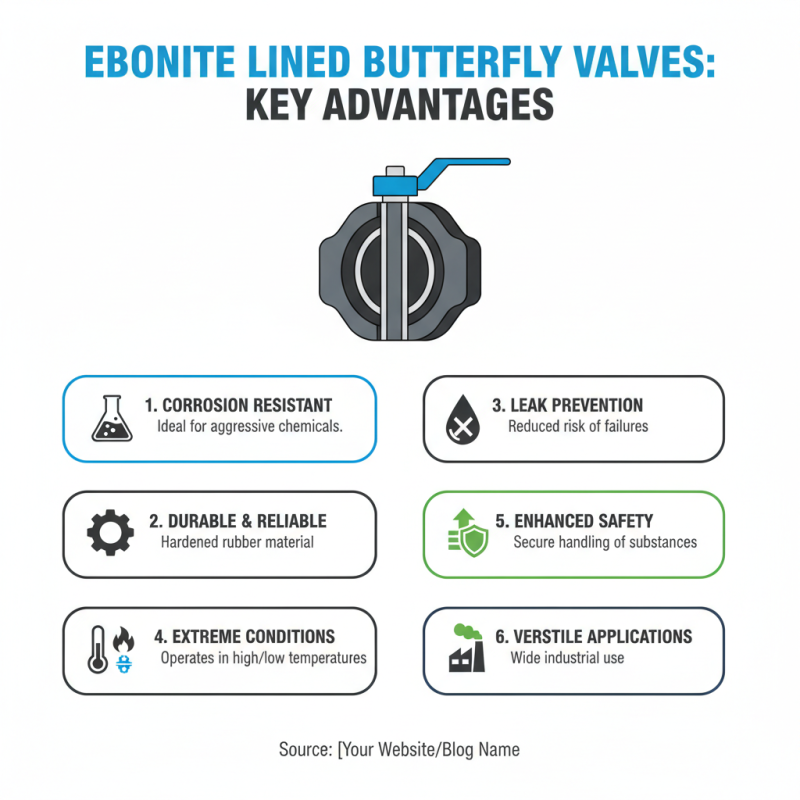
Ebonite lined butterfly valves are gaining popularity in various industries due to their unique advantages. These valves feature a lining made of ebonite, a hardened rubber-like material. This lining provides excellent resistance to corrosive substances, making them suitable for handling aggressive chemicals. Their design ensures that they can operate effectively in extreme conditions, reducing the risk of leaks and failures.
One significant benefit is their durability. Ebonite is known for its toughness, which extends the lifespan of the valve. This durability translates to lower replacement costs and reduced downtime in industrial processes. Moreover, ebonite's non-stick properties minimize the buildup of debris, enhancing efficient flow. Users often appreciate the simplicity in maintenance, as the smooth surface can be easily cleaned.
However, it’s worth noting that ebonite lined butterfly valves may not be suitable for all applications. Their performance can be affected by high temperatures beyond their recommended limits. Additionally, careful selection is necessary to ensure compatibility with the specific fluids involved. Potential users should weigh the benefits against these limitations to determine if these valves meet their needs effectively.
Applications of Ebonite Lining in Various Industries
Ebonite lining in butterfly valves is increasingly popular across various industries. This material provides excellent chemical resistance, making it suitable for harsh environments. Industries like chemical processing and water treatment benefit significantly from this technology. The durability of ebonite lining ensures long-lasting performance, reducing maintenance costs.
In the oil and gas sector, ebonite lining is essential. It protects equipment from corrosive substances, extending the lifespan of valves and preventing leaks. Similarly, food and beverage industries rely on ebonite-lined valves for hygienic applications. The non-stick properties of ebonite minimize contamination risks during production.
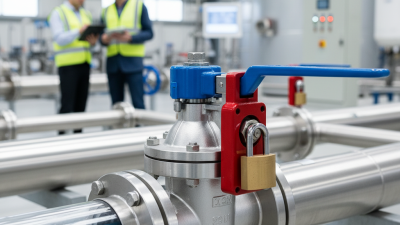
Tips: Regular inspection of the valves can prevent unexpected failures. Ensure that the installation process is executed properly to maintain the integrity of the ebonite lining. Be aware that even the best materials can wear over time, so factor in a maintenance schedule.
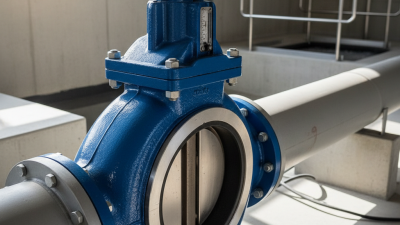
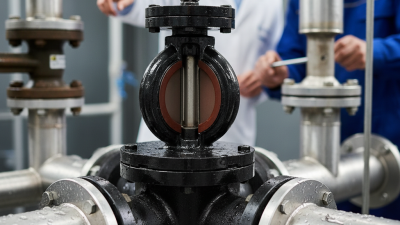
Ebonite Lining Butterfly Valve Applications