Top China Sea Water Butterfly Valve Suppliers and Prices?
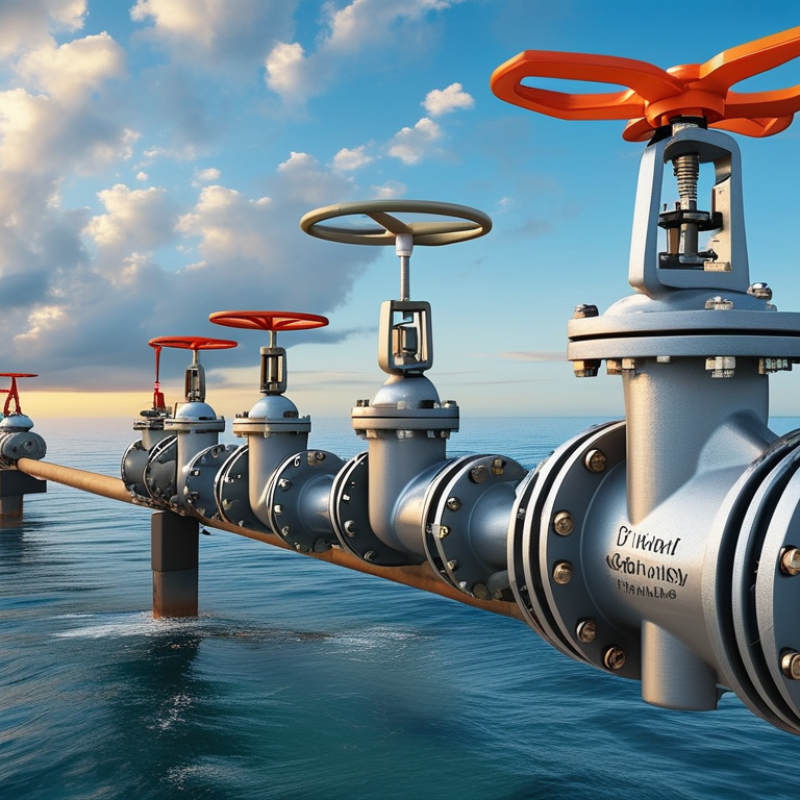
The demand for Sea Water Butterfly Valves is rising in various industries. These valves are crucial for controlling the flow of seawater in marine and offshore applications. As the market grows, many suppliers emerge, each offering a range of products and price points.
Identifying the top suppliers can be challenging, given the number of options available. Factors like quality, reliability, and price must be considered carefully. Customers must also think about the specific needs of their projects. Understanding these elements can lead to better purchasing decisions.
In this context, key suppliers stand out for their experience and trusted reputation. They provide not only quality valves but also expert guidance. This is critical for ensuring the right installation and maintenance practices. By gathering insights on leading suppliers and their offerings, buyers can navigate the market more effectively.
Top Suppliers of Water Butterfly Valves in the South China Sea Region
The South China Sea region has seen a rise in the demand for water butterfly valves. These valves are key components in controlling water flow. They are essential in various applications such as water treatment, irrigation, and industrial processes. With specialized suppliers providing innovative designs, maintaining optimal performance is crucial.
When sourcing these valves, consider the materials used. High-quality materials ensure durability and resistance to corrosion. Suppliers focus on delivering reliable products that meet industry standards. It’s wise to evaluate suppliers not only on price but also on their expertise and customer service.
Tips: Always request detailed specifications before purchasing. Ensure they match your application needs. Additionally, exploring customer reviews can gauge a supplier's reliability. Remember to consider valve maintenance and replacement availability. This foresight can help avoid future issues and ensure smooth operations in your projects.
Key Features and Specifications of Water Butterfly Valves
Water butterfly valves are essential in controlling fluid flow in various applications. Their design allows for efficient operation and maintenance. Typically made from durable materials, these valves can withstand harsh conditions. According to industry reports, the global market for butterfly valves is projected to reach USD 15 billion by 2025.
Key features of water butterfly valves include their compact design and quick operation. They can handle a wide range of temperatures and pressures. Standard sizes vary, accommodating different pipeline dimensions. Additionally, their lightweight nature makes them easier to install. However, maintaining a balance between durability and functionality remains a challenge.
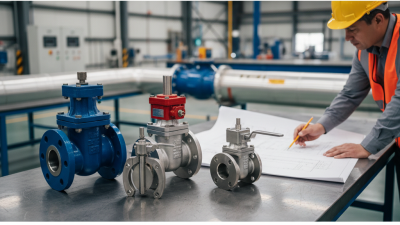
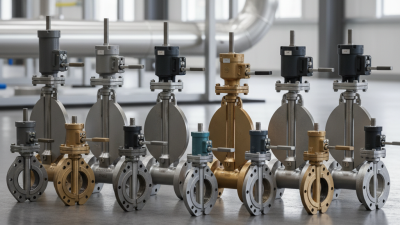
Specifications often include the valve body material, seat type, and actuator style. Many use rubber or PTFE materials for seat designs, ensuring a reliable seal. Actuators can be manual or automated, with electric or pneumatic options. While these specifications guarantee performance, they demand regular inspections. Inconsistent maintenance could lead to premature failures, emphasizing the importance of quality control.
Price Range and Factors Affecting Costs of Water Butterfly Valves
When it comes to water butterfly valves, understanding the price range is essential. Typically, these valves can cost anywhere from $50 to over $500, depending on size, material, and application. Factors impacting costs include manufacturing techniques, material composition, and specific industry standards. A report by Market Research Future indicates that the demand for water butterfly valves is increasing, particularly in emerging markets. This trend influences pricing as manufacturers strive for quality and reliability.
Certification plays a significant role in pricing. Valves that meet international standards often cost more. This ensures safety and durability, crucial for industries like water supply and wastewater management. Additionally, bulk purchasing can affect pricing significantly. Suppliers may offer discounts for larger orders, so understanding your project's scale is vital.
Tip: Compare quotes from multiple suppliers to get the best deal. Look for valves that have undergone rigorous testing. Ensure they meet necessary regulations to avoid costly issues later. Always assess whether the higher price ensures better quality or service. Ultimately, investing intelligently leads to long-term savings in maintenance and operation.
Water Butterfly Valves Price Comparison
Comparative Analysis of Different Brands and Models in the Market
When exploring the landscape of butterfly valves, particularly for applications in the China Sea region, a multitude of brands comes into play. The market showcases a range of options, each offering distinct features and price points. Evaluating these valves demands attention to their material composition, pressure ratings, and durability under seawater conditions. Some models excel in corrosion resistance, which is crucial for longevity in marine environments.
User experiences vary. Many professionals find that performance can differ significantly between brands. Some valves may function well initially but lack resilience over time. Issues like leakage can arise unexpectedly, which is always a concern for users. It's essential to dive into user reviews and feedback for real-world insights. Comparing specifications side by side offers clarity but doesn't always reflect practical performance under demanding conditions.
Prices can fluctuate broadly, influenced by manufacturing practices and distribution chains. While some suppliers offer lower rates, this may come at the cost of quality. The balance between cost and reliability is often a challenge for decision-makers. Investing in higher-quality products may yield greater long-term savings. Ultimately, informed comparisons and user feedback play critical roles in selecting the right butterfly valve for specific needs.
Customer Reviews and Satisfaction Ratings of Leading Suppliers
The market for water butterfly valves in the South China Sea region is diverse. Customers often express varying levels of satisfaction. Reviews indicate that reliability and performance are essential. A recent survey by the Industrial Valve Association revealed that 75% of users prioritize quality over cost when choosing suppliers.
Many customers reported positive experiences with specific features, such as corrosion resistance. This is crucial in marine environments. However, some buyers expressed dissatisfaction with delivery times and after-sales support. A significant factor affecting satisfaction ratings is the warranty offered. Generally, longer warranties correlate with higher customer trust.
Tips: Always check the manufacturer's reputation. Look for suppliers with solid reviews and proven track records. It may be wise to request testimonials from previous clients. Regularly consult industry reports for updated supplier ratings and pricing trends. Familiarizing yourself with market insights can lead to better purchasing decisions.