2026 Top Sea Water Butterfly Valve Buying Guide for Global Buyers?
The selection of a Sea Water Butterfly Valve is crucial for various industries. These valves play a significant role in controlling the flow of seawater in different applications, from marine environments to industrial processes. However, buyers often face challenges in choosing the right valve.
In 2026, factors such as material quality, durability, and compatibility become more vital. Buyers must thoroughly evaluate specifications to ensure optimal performance. A Sea Water Butterfly Valve is not just a simple component; it can significantly affect your operations and maintenance costs. Poor choices can lead to failures and costly repairs.
Many buyers overlook critical details like warranty and support services. These aspects can make a difference in the long run. Purchasing a Sea Water Butterfly Valve requires diligence and informed decision-making. It’s essential to consult with experts who understand the specific needs of your application.
Understanding the Importance of Sea Water Butterfly Valves in Industry
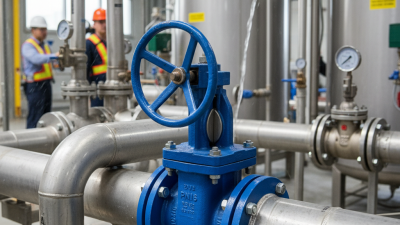
Sea water butterfly valves play a crucial role in various industries, especially those utilizing saline water. These valves are engineered to manage the flow of seawater with efficiency and precision. They are common in power plants, desalination facilities, and marine applications. When corrosion resistance is vital, the right materials must be chosen carefully. Selecting durable components can ensure longevity in harsh environments.
Understanding the operational challenges is essential. Sea water can be aggressive, leading to corrosion and mechanical failure. Poorly designed valves can result in leaks, costly repairs, and downtime. It's vital to assess the working conditions thoroughly. Regular maintenance practices are often neglected, which can lead to unforeseen failures. Investing time in understanding valves will pay off.
This complexity requires expertise in valve selection. Proper guidance is crucial for making informed decisions. It’s worth considering the specific requirements of your application. This may include pressure ratings and temperature ranges. Collaboration with experts can mitigate risks associated with poor choices. Evaluating performance metrics helps in optimizing system functionality.
Key Factors to Consider When Buying Sea Water Butterfly Valves
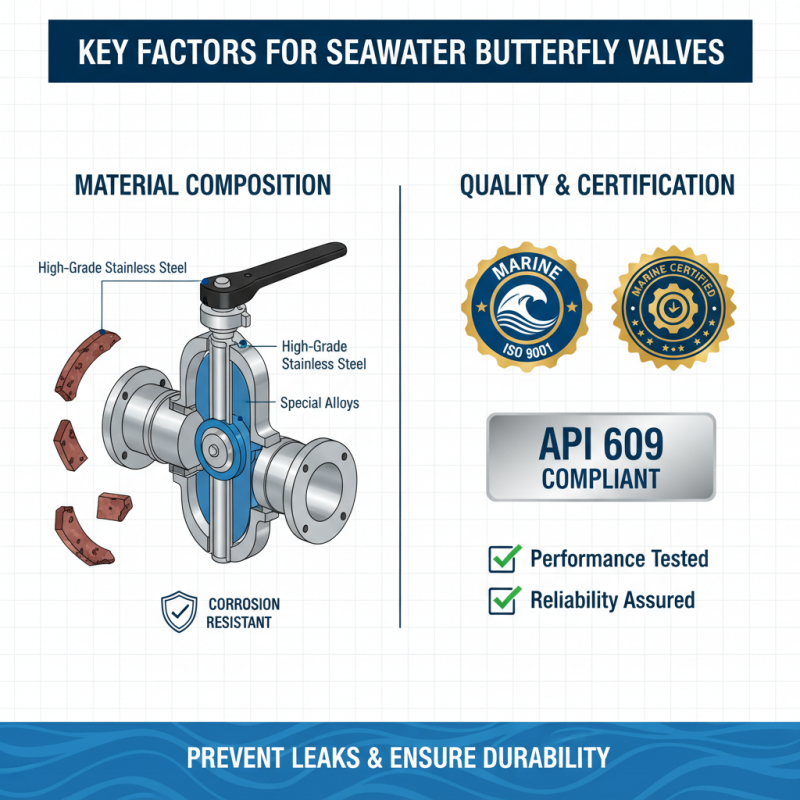
When selecting sea water butterfly valves, buyers should consider several key factors to ensure reliability and performance. One vital aspect is the material composition. Valves must be made from corrosion-resistant materials, such as high-grade stainless steel or special alloys. These materials endure harsh marine conditions and prevent leaks. Look for certifications that indicate quality adherence.
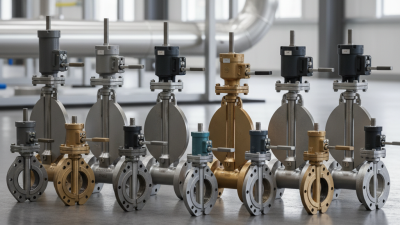
Another critical factor is the valve size and pressure rating. It's essential to evaluate the system requirements carefully. An incorrectly sized valve can lead to inefficiencies. Buyers often overlook the importance of valve actuation methods. Manual, pneumatic, or electric actuation choices can significantly affect operational ease. Each method has advantages and drawbacks, so understanding project needs is crucial.
Furthermore, consider the manufacturer's reputation. Reliable brands often provide better warranty options and customer support. Reading user reviews can shed light on potential shortcomings. It's not uncommon for buyers to rush into decisions, only to find the product underperforms. Reflecting on feedback and conducting thorough research helps mitigate risks. Ultimately, a well-informed choice will enhance system longevity and efficiency.
Comparing Different Materials for Sea Water Butterfly Valves
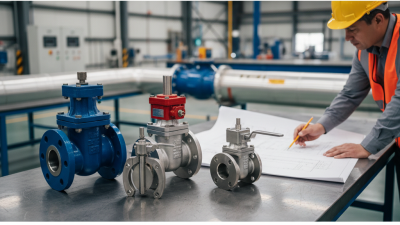
Selecting the right material for sea water butterfly valves is crucial. Different materials offer unique benefits and drawbacks. Some materials resist corrosion better, while others provide better flow control. It's vital to understand these properties when making a choice.
For instance, stainless steel is often preferred for its corrosion resistance. However, it can be less effective in highly acidic or alkaline settings. On the other hand, plastic valves are lightweight and resistant to specific types of corrosion. Their durability can be a great advantage in certain environments.
Yet, using the wrong material can lead to issues. Metal valves can corrode over time, leading to leaks. In contrast, plastic can warp under high temperatures. Buyers must carefully assess their operating conditions. So, identifying the right balance between durability and functionality is key.
Top Brands and Manufacturers of Sea Water Butterfly Valves in 2026
When selecting sea water butterfly valves in 2026, understanding top brands and manufacturers is crucial. The demand for these valves continues to rise, particularly in coastal and marine applications. Industry reports indicate a projected growth rate of 6% annually in the maritime valve sector. The quality and durability of the materials used become paramount. Corrosion resistance is essential, given the harsh environments these valves often face.
Leading manufacturers focus on material innovations to enhance product longevity. Many use advanced alloys and coatings to combat saltwater corrosion. The design of the butterfly valve also matters—an efficient design minimizes pressure loss and maximizes flow efficiency. Buyers should look for valves with proven performance in challenging conditions.
**Tip:** Always check the valve's specifications before purchasing. Verify that it meets your operational needs and environmental requirements.
Moreover, research user feedback and reviews. This can provide insights into real-world performance and reliability. Engaging with industry forums can help gather diverse opinions. Understanding the best practices for installation and maintenance can also extend the life of these valves.
**Tip:** Regular maintenance checks are vital. They help identify potential issues early, ensuring optimal performance over time. Always consult with industry experts if uncertain about your choice.
2026 Top Sea Water Butterfly Valve Buying Guide for Global Buyers
| Feature |
Details |
| Material |
Corrosion-resistant alloys, PVC, or GRP |
| Diameter Range |
2 inches to 48 inches |
| Pressure Rating |
Class 150 to Class 600 |
| Actuation Type |
Manual, Electric, Pneumatic |
| Industry Standard |
API 609, ASME B16.34 |
| Applications |
Desalination plants, Marine applications, Water treatment |
| Maintenance |
Regular inspection and sealing check recommended |
Maintenance Tips for Enhancing the Longevity of Sea Water Butterfly Valves
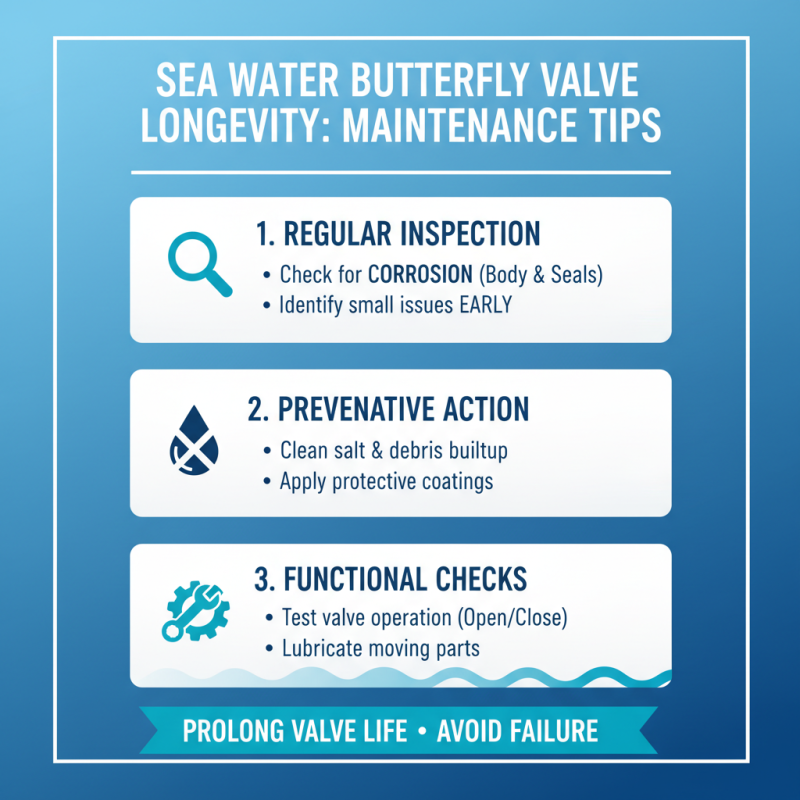
When it comes to maintaining sea water butterfly valves, regular attention is vital. These valves must resist harsh environments, which can lead to early wear. The first priority is regular inspection. Look for signs of corrosion, especially in the valve body and seals. Corrosion can compromise functionality. Small issues can escalate quickly, leading to potential failure.
Lubrication is another key aspect of maintenance. Use appropriate lubricants that suit marine environments. Too much lubricant can attract dirt, which may damage seals. Conversely, too little can lead to friction and wear. A balanced approach is essential. Furthermore, it’s important to ensure that the valve operates smoothly. Test the mechanism periodically. A valve that struggles to turn may indicate internal buildup or damage that needs addressing.
Finally, consider the environmental factors affecting the valve. High salt concentrations can expedite corrosion. Implementing protective measures like coatings can enhance longevity. Yet, not every protective method is flawless. Some may wear off quicker than expected, necessitating regular reevaluation. Maintenance requires a thoughtful, ongoing process to ensure the valve's reliable performance.