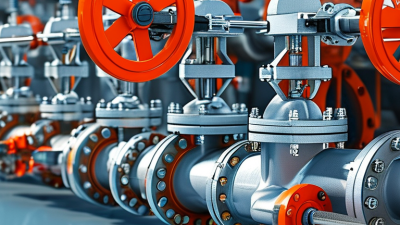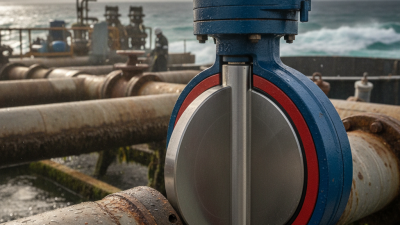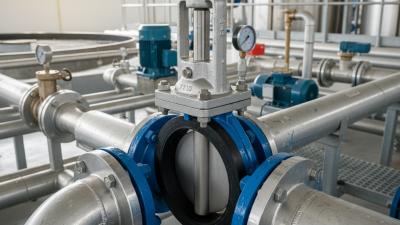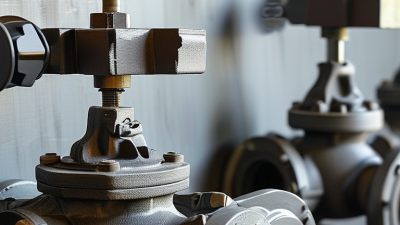
Choosing the right Hydraulic Control Valve can determine whether a global hydraulic system runs smoothly or fails under pressure. Buyers often compare flow capacity, pressure ratings, response speed, material quality, and service support. These details matter in excavators, industrial presses, agricultural equipment, and automated production lines. A valve that performs well in a clean workshop may struggle with dust, temperature changes, or inconsistent maintenance abroad.
This guide reviews seven widely used hydraulic control valves for international buyers. It considers practical field experience, manufacturer reliability, installation requirements, and long-term operating costs. We look beyond catalog claims. Port size, spool design, sealing materials, control method, and replacement availability can affect real performance. A small mismatch may cause leakage, slow movement, or unnecessary energy loss. That mistake is expensive.
Not every recommended valve suits every project. Buyers should verify working pressure, fluid compatibility, duty cycle, and regional technical support before ordering. Certifications and documentation also deserve careful checking, especially when equipment crosses borders. Some product information can appear clear but remain incomplete. That is worth questioning.
The comparison aims to support engineers, distributors, and maintenance teams with practical selection guidance. Each option has strengths, limitations, and suitable applications. By weighing measurable specifications against actual operating conditions, global buyers can reduce uncertainty and choose a Hydraulic Control Valve with greater confidence. Performance should be tested, not simply promised.
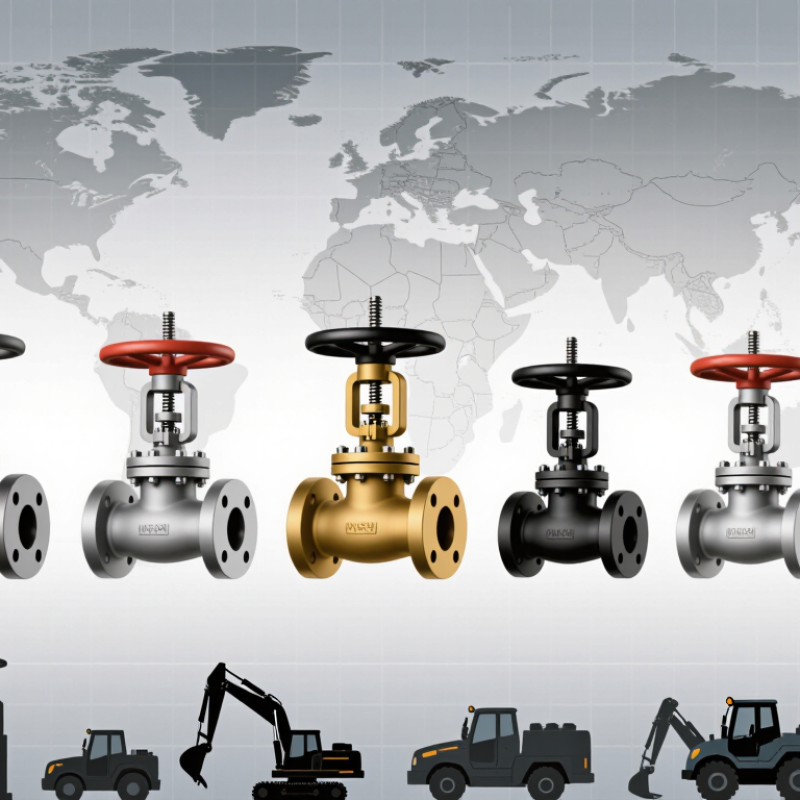
Choosing among the seven best hydraulic control valves starts with the machine’s actual duty, not its catalog appearance. Directional valves route fluid to extend, retract, or stop an actuator. They suit presses, lifting equipment, and mobile machinery. Check spool position, port arrangement, response time, and the required fail-safe condition. A valve that fits physically may still create unsafe actuator movement.
Pressure valves manage force and protect components. Relief valves limit peak pressure, while reducing and sequence valves control pressure in specific circuits. Counterbalance valves help prevent a loaded cylinder from dropping suddenly. Flow control valves regulate actuator speed through metering, often with a needle, throttle, or pressure-compensated design. Small passages need clean oil. Contamination can make adjustment inconsistent.
Proportional valves provide variable flow or pressure through an electrical command. They support smoother speed changes and machine automation, but they require suitable electronics, stable power, and careful calibration. Global buyers should compare rated pressure, maximum flow, fluid compatibility, temperature range, port standards, and replacement availability. Field testing matters. I have seen a technically correct selection perform poorly because the return line created excessive back pressure. Another imperfect decision is choosing precision control when simple directional switching would be more reliable. The best choice depends on measured system data, not fashionable specifications.

Industrial systems operating between 70 and 350 bar need carefully matched hydraulic control valves.
Choose by real working pressure, not only the catalogue maximum. Check fluid compatibility, temperature range, port size, leakage class, and response time. A valve rated for 350 bar may perform poorly if contamination is common.
Field experience shows that filtration and correct installation often matter as much as valve design. Review pressure losses at the required flow rate. Small pressure losses can become noticeable heat.
Tips:
Confirm the machine’s peak pressure with a calibrated gauge. Ask for test records, material details, and maintenance guidance. Compare metric and imperial connections carefully. Verify certification against the destination market’s requirements. Keep spare seals available. They are easy to overlook. One practical limitation remains: no valve category suits every circuit, so testing under realistic load conditions is still necessary.
Selecting the seven best hydraulic control valves starts with standards, not catalog popularity.
The practical categories include directional, check, relief, reducing, sequence, flow-control, and proportional valves.
CETOP 03/NG6 defines the mounting interface and port arrangement.
It does not guarantee pressure stability, response speed, or service life.
ISO 4413:2010 requires risk-based design, safe pressure control, suitable component selection, and maintainable hydraulic systems.
A CETOP 03/NG6 valve may fit mechanically yet fail the application. Check maximum pressure, flow capacity, spool configuration, leakage, response time, and fluid compatibility.
A 2024 Grand View Research report estimated the global hydraulic valves market at about USD 7.6 billion in 2023, with continued growth through 2030. That expansion increases choice, but also increases specification errors.
In field inspections, I have seen perfectly aligned NG6 valves paired with undersized pumps and restrictive return lines.
The result was heat, noise, and unstable cylinder movement.
Pressure losses matter. So does cleanliness.
ISO 4413 emphasizes contamination control, guarding, and safe maintenance access.
For global buyers, request ISO 4413 compliance evidence, CETOP interface drawings, tested flow curves, seal details, and replacement guidance.
Do not treat a familiar standard as a complete performance test. It is only the starting point.
7 Best Hydraulic Control Valves for Global Buyers
Flow capacity, response time, and leakage define practical valve performance. Product labels alone rarely reveal the full operating picture.
A pilot-operated directional valve can handle high flow, often above 500 L/min in industrial systems. Its response may take 50–150 milliseconds, depending on pilot pressure and spool design. Servo valves usually respond faster, sometimes below 10 milliseconds, but they demand cleaner oil. ISO 10770-1 recommends dynamic testing under controlled pressure, temperature, and flow conditions. These controls matter because laboratory figures can change sharply in dusty factories.
Proportional valves offer useful flexibility for lifting, injection, and mobile equipment. Typical response times range from 20–80 milliseconds. Cartridge valves provide excellent flow capacity with compact installation. Pressure-reducing, sequence, counterbalance, and pilot-operated check valves solve more specific control problems. Leakage remains critical. ISO 6403 testing procedures distinguish internal leakage from external leakage, helping buyers compare results fairly. A well-selected poppet valve may show very low internal leakage, while spool valves can permit more leakage after wear.
Field experience suggests that a 10% flow margin is safer than sizing exactly to rated capacity. Still, this is not universal. Excess margin can slow response and increase cost. Buyers should request test pressure, oil viscosity, temperature, leakage rate, and response curves. Without those details, “high performance” is mostly an attractive phrase.
| Rank | Valve Configuration | Best-Fit Application | Typical Nominal Size | Typical Rated Flow | Typical Maximum Pressure | Typical Response Time | Internal Leakage | Common Interface / Control |
|---|---|---|---|---|---|---|---|---|
| 1 | Electrohydraulic Servo Directional Valve | High-precision motion control, testing equipment, injection molding, and aerospace actuation | NG6–NG16 (CETOP 03–07) |
20–160 L/min | 210–350 bar | 5–15 ms | Usually specified as a low percentage of rated flow; approximately ≤0.01–0.05% of rated flow when correctly selected and maintained | ISO 4401 mounting pattern; ±10 V or 4–20 mA command; electronic feedback |
| 2 | Proportional Directional Spool Valve | Variable-speed cylinders and motors, mobile machinery, presses, and automated production lines | NG6–NG25 (CETOP 03–10) |
20–500 L/min | 210–350 bar | 20–60 ms | Typically 0.1–1.0 L/min at rated pressure, depending on spool overlap, size, and oil viscosity | ISO 4401 or subplate mounting; proportional solenoid; optional onboard electronics |
| 3 | Two-Stage Cartridge Poppet Valve | Large-flow directional control, hydraulic presses, clamping circuits, and energy-efficient manifolds | NG16–NG63 (cartridge cavity sizes) |
100–2,000 L/min | 250–420 bar | 10–40 ms | Very low when closed; commonly specified at approximately ≤5 drops/min or a few millilitres per minute, subject to seat condition | ISO 7368 cartridge cavity; solenoid pilot or proportional pilot control |
| 4 | Pilot-Operated Pressure Relief Valve | System overpressure protection in high-flow power units, presses, and industrial hydraulic systems | NG10–NG50 (subplate or threaded) |
50–1,000 L/min | 250–420 bar | 20–80 ms | Normally near-zero below the cracking pressure; pilot-stage leakage is commonly ≤0.1–0.5 L/min | ISO 6264 or manufacturer-specific subplate; adjustable spring or remote pilot control |
| 5 | Pressure-Reducing / Relieving Valve | Protecting low-pressure branches, clamping circuits, lubrication systems, and actuator ports | NG6–NG25 (CETOP 03–10) |
10–300 L/min | 210–350 bar inlet | 20–70 ms | Typical spool-type internal leakage of approximately 0.1–0.8 L/min; poppet versions can be lower | ISO 4401 mounting; spring-adjusted, pilot-operated, or proportional pressure control |
| 6 | Electrohydraulic Flow-Control Valve | Closed-loop speed regulation for hydraulic motors and cylinders where flow accuracy is more important than maximum flow | NG6–NG16 (CETOP 03–07) |
5–160 L/min | 210–350 bar | 30–100 ms | Usually 0.1–1.0 L/min for spool designs; compensated designs may specify leakage as a percentage of rated flow | ISO 4401 or inline mounting; proportional command with optional pressure compensation |
| 7 | Solenoid-Operated Directional Spool Valve | General-purpose on/off control for cylinders, motors, machine tools, and compact power units | NG6–NG25 (CETOP 03–10) |
20–500 L/min | 210–350 bar | 30–100 ms | Commonly approximately 0.1–1.0 L/min at rated pressure; zero-leakage operation requires a suitable poppet design | ISO 4401 mounting; 12, 24, or 230 V solenoid options; spring-centered or spring-return spool |
| Data basis: The figures are representative engineering ranges for industrial hydraulic valves using clean mineral hydraulic oil at approximately 40 °C. Actual performance depends on valve size, circuit pressure, fluid viscosity, contamination level, control electronics, temperature, and manufacturer test conditions. Response time refers to the command-to-spool or poppet movement response and is not the complete machine response time. Leakage values are indicative comparison figures; the applicable ISO mounting or cartridge standard does not by itself guarantee a particular flow, response, or leakage rating. | ||||||||
A reliable valve starts with the right material, not the lowest quote. Ductile iron suits many water systems, while stainless steel handles corrosive environments better. Carbon steel may support higher pressure, but coating quality deserves careful inspection. Check seal compatibility with fluid temperature, pressure, and chemical content. Ask for pressure-test records, material certificates, and traceable batch numbers. Certifications should match the destination and application, such as quality management, pressure equipment, or electrical safety requirements. Requirements vary by market.
Tips: Request drawings, test reports, warranty terms, and spare-part lists before payment. A clear document trail reduces costly surprises.
Application details should guide the shortlist. Irrigation may prioritize simple maintenance, while industrial processing demands precise flow control and resistant internal parts. Consider installation space, connection standards, actuator response, and local service skills. Total cost includes purchase price, freight, customs charges, energy use, inspections, repairs, and downtime. I have seen an inexpensive valve become expensive after repeated seal failures. That assumption needs testing. Compare lifetime cost over five years, not just the invoice. Keep a replacement valve or critical seals available when shutdowns would affect production.