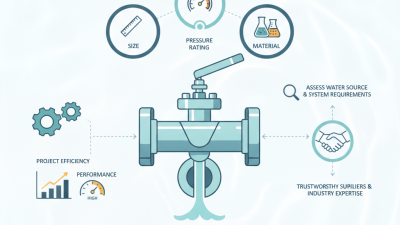
What Is the Best China Sea Water Butterfly Valve? The answer depends on corrosion resistance, sealing reliability, operating pressure, and verified service experience. A low price alone proves very little.
Seawater infrastructure is expanding under growing water stress. The United Nations World Water Development Report 2024 links rising water demand with pressure on reliable supplies. Desalination now supports many coastal communities, while Global Water Intelligence tracks continued investment in desalination and water-reuse projects. Every project needs dependable isolation equipment. A failed valve can stop a pump train, flood a valve chamber, or contaminate maintenance areas with saltwater.
A suitable Sea Water Butterfly Valve should match recognized requirements, including API 609, EN 593, and ISO 5752 dimensions. Engineers should examine disc materials, shaft protection, seat compounds, coating systems, and torque margins. Duplex stainless steel, super duplex alloys, titanium, and seawater-rated elastomers may provide different benefits. Laboratory certificates matter. Field records matter more.
Mars G. Fontana, a respected corrosion engineering authority, wrote, “Corrosion is a natural process.” That warning remains highly relevant. Seawater attacks through chlorides, crevices, deposits, and galvanic contact. No valve is perfect.
The best China-made option is therefore not simply the strongest-looking model. It is the valve supported by traceable materials, pressure testing, cycle testing, documented quality control, and transparent after-sales service. Some suppliers still present incomplete data. That should make buyers pause.
This guide compares practical designs, certification evidence, material choices, and operating risks. It also questions marketing claims that deserve closer inspection.
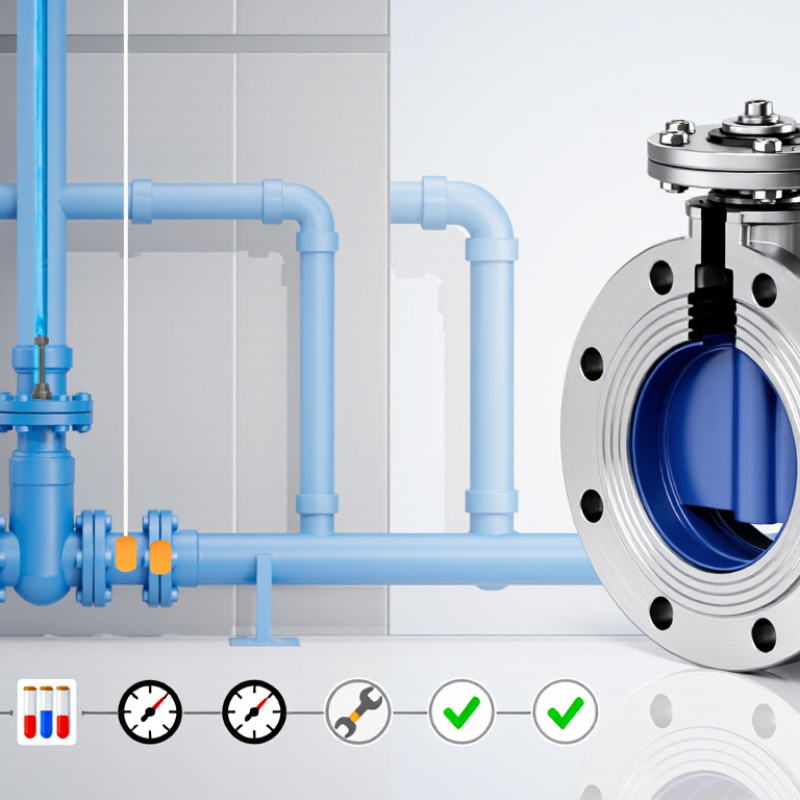
A sea water butterfly valve is a quarter-turn device that controls, isolates, or redirects seawater inside a pipeline. Its circular disc rotates around a stem, opening the passage or stopping flow. In desalination plants, cooling systems, ship systems, and coastal utilities, this valve often works beside pumps, filters, and heat exchangers.
Its role is practical and demanding. It must handle salt, pressure changes, vibration, and frequent operation without leaking. Disc and stem materials need strong corrosion resistance, while seats must remain flexible after repeated cycles. Engineers may select resilient-seated or metal-seated designs, depending on temperature, pressure, and maintenance needs. A reliable China-made sea water butterfly valve should have traceable material records, pressure-test reports, clear dimensions, and documented coating procedures. Factory inspection matters. I have seen specifications look excellent, yet installation details caused trouble. The valve size, flange standard, actuator torque, and flow direction must match the system.
Tips: Check the seawater chemistry before choosing materials. Do not assume stainless steel always provides enough protection. Inspect the disc edge, seat, and stem seal after early service. Keep spare seals available. For larger pipelines, confirm emergency operation and actuator settings. A small mismatch can create serious leakage. Also, avoid using any butterfly valve for constant throttling unless its design supports that duty. That choice can cause erosion, noise, and premature seat damage.
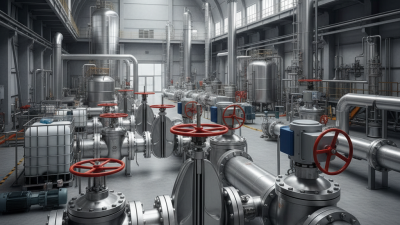
A seawater butterfly valve controls, isolates, or regulates seawater flow in pipelines, cooling systems, desalination plants, marine facilities, and offshore applications. The most suitable valve should match the required pressure class and use seawater-resistant materials such as ductile iron with suitable lining, duplex stainless steel, or other approved corrosion-resistant alloys.
The chart shows common PN nominal pressure designations used for flanged valves: PN6, PN10, PN16, and PN25. These values represent nominal pressure classes in bar, not guaranteed operating pressure under every seawater temperature, material, or installation condition. Final selection should also consider valve diameter, flow velocity, corrosion protection, seat material, actuator type, and applicable standards.
The best seawater butterfly valve depends on material selection, pressure, temperature, and maintenance conditions. Chloride-rich seawater attacks weak metals quickly. Duplex or super duplex stainless steel often suits the body, disc, and stem. These alloys resist pitting and stress corrosion better than ordinary stainless steel. Titanium offers stronger protection in severe marine environments, but its cost may limit practical use. A protective coating can help, yet coating damage exposes the metal beneath it.
The seat also deserves careful attention. EPDM performs well with seawater and repeated movement. PTFE handles chemical exposure and higher temperatures, but it may need a more precise design. Use compatible fasteners to reduce galvanic corrosion. I have seen valves fail near the stem, not across the disc. Small crevices trapped saltwater. That detail is easy to miss.
Tips: Check the valve’s chloride-resistance data and pressure test records. Inspect the stem seal and seat after installation. Flush stagnant seawater from the line when possible. Do not judge quality by polished surfaces alone. Material certificates, torque testing, and cycle testing reveal more. A design may look excellent on paper, but field conditions can prove otherwise. Even the strongest alloy needs correct assembly and regular inspection.
What Is the Best China Sea Water Butterfly Valve?
Comparing butterfly valve types starts with the seawater’s actual duty, not the country of manufacture. Resilient-seated valves suit low-pressure isolation and moderate temperatures. Their EPDM seats can resist seawater, but incorrect compounds may swell or harden. Check the seat specification carefully.
For larger pipelines, double-offset valves usually reduce seat friction and operating torque. They support frequent cycling and tighter shutoff. Triple-offset valves offer a metal-seated design for higher temperatures, severe service, and demanding maintenance schedules. However, they often cost more and need accurate installation. Wafer, lug, and flanged bodies also require comparison. Wafer valves save space, while lug valves allow easier downstream removal.
Material selection deserves equal attention. Seawater can attack ordinary carbon steel quickly, especially around damaged coatings and bolt areas. Suitable options may include lined bodies, marine-grade alloys, duplex stainless steel, or super duplex components. The correct choice depends on chloride concentration, flow velocity, pressure, and temperature. Do not trust a generic “seawater service” label alone.
During inspections, I would request pressure-test records, material certificates, coating details, and traceable seat data. Actuator sizing should include breakaway torque, not only normal running torque. A valve that operates smoothly in the workshop may fail after months of salt exposure. I have seen specifications focus heavily on price and overlook flange alignment. That decision looked efficient, but it created leakage risks later. A practical comparison should weigh lifecycle cost, inspection access, spare-part availability, and verified test evidence.
What Is the Best China Sea Water Butterfly Valve?
Performance Factors That Identify the Best Valve Choice
The best seawater butterfly valve is not selected by price or country alone. It must match salinity, pressure, temperature, cycling frequency, and maintenance access. The NACE IMPACT study estimated global corrosion costs at about 2.5 trillion US dollars annually. Material selection deserves serious attention. Duplex stainless steel, nickel alloys, titanium, and suitable protective coatings can reduce attack on wetted parts. However, coating damage may remain hidden beneath deposits.
Check the valve’s pressure class, shutoff direction, torque margin, and tested leakage rate. ISO 5208 provides recognized pressure-testing and leakage criteria. ISO 15848-1 is useful when stem emissions require controlled testing. For repeated operation, the actuator should provide stable torque without excessive sizing. A practical inspection should examine disc edges, shaft seals, seat compression, and flange alignment. Small installation errors can create large operating loads.
Material is only one factor. Poor sizing can cause excessive velocity, vibration, or cavitation near the disc. The 2024 United Nations World Water Development Report states that 2.2 billion people lacked safely managed drinking water in 2022, increasing pressure on reliable water infrastructure. I would still question any specification that lists only “marine grade.” That phrase is too vague. Real evidence includes salt-spray or immersion testing, cycle-test records, traceable certificates, and service references in comparable seawater systems. No selection is perfect. A valve that performs well in a clean intake line may struggle in warm, debris-filled water.
A practical comparison of common seawater butterfly-valve configurations. Actual selection should be confirmed against seawater chemistry, pressure class, temperature, installation standard, and site-specific operating conditions.
| Valve Configuration | Typical Body and Disc Materials | Seawater Corrosion Resistance | Typical Pressure Capability | Typical Temperature Range | Common Size Range | Seat Arrangement | Actuation and Torque Considerations | Maintenance Profile | Best-Fit Applications | Relative Cost |
|---|---|---|---|---|---|---|---|---|---|---|
| Resilient-seated wafer or lug butterfly valve | Ductile iron or coated carbon-steel body; nickel-aluminum bronze or coated stainless-steel disc; EPDM seat | Good when correctly coated EPDM is widely used for seawater service. Coating damage or unsuitable disc materials can accelerate corrosion. |
Commonly PN 10–PN 16 or Class 150, depending on design and manufacturer | Approximately −20°C to 120°C for many EPDM-lined designs; confirm the seat rating | Approximately DN 50–DN 1200 and larger | Full elastomer seat isolation from the body; bidirectional shutoff is common | Moderate torque; torque rises with seat interference, pressure differential, and scaling | Low to moderate; inspect coating, shaft seals, seat condition, and fasteners | Cooling-water lines, intake systems, water treatment, and general seawater isolation | Low to medium |
| Resilient-seated flanged butterfly valve | Ductile iron, carbon steel, or stainless-steel body; corrosion-resistant disc; EPDM or equivalent seawater-compatible seat | Good Flanged construction provides robust alignment and connection; material pairing remains critical. |
Commonly PN 10–PN 25 or Class 150, subject to the certified design | Approximately −20°C to 120°C for many EPDM configurations | Approximately DN 80–DN 2000 and larger | Replaceable or integral resilient seat; bidirectional sealing is frequently available | Moderate torque; suitable for electric, pneumatic, or manual gear operation | Low; flange bolts, shaft seals, seat wear, and actuator calibration should be checked | Large-diameter seawater pipelines where installation rigidity and easy alignment are important | Medium |
| High-performance double-offset butterfly valve | Carbon steel or stainless-steel body; duplex, super duplex, or nickel-aluminum bronze disc; metal or laminated seat | Very good with suitable alloys Double-offset geometry reduces seat rubbing and is beneficial for frequent cycling. |
Often Class 150–Class 600 or equivalent PN ratings, depending on design | Approximately −29°C to 200°C or higher for metal-seat designs; seat materials determine the limit | Approximately DN 100–DN 2000 and larger | Metal, laminated, or replaceable seat; shutoff class depends on the seat design | Lower operating friction than concentric designs; actuator sizing must include breakaway and dynamic torque | Moderate; seat adjustment, shaft seals, disc condition, and corrosion protection require inspection | Pressurized seawater systems, frequent cycling, larger pressure differentials, and critical isolation duties | Medium to high |
| Triple-offset butterfly valve | Carbon steel, stainless steel, duplex, or super duplex body; corrosion-resistant disc and metal seat | Excellent with seawater-rated metallurgy Metal-to-metal seating avoids elastomer temperature limitations, but galvanic compatibility must be controlled. |
Commonly Class 150–Class 600; higher ratings are available for specific engineered designs | Approximately −29°C to 400°C or higher, limited by materials, packing, coating, and actuator components | Approximately DN 150–DN 2000 and larger | Geometry-based metal seat with near-frictionless seating and dependable shutoff when properly engineered | Low seating friction but potentially high final-closing torque; precise actuator sizing is essential | Moderate to high; inspection intervals are often longer, but repairs require qualified personnel | Critical isolation, high-cycle service, higher temperature, higher pressure, and applications requiring fire-safe construction | High |
| Titanium or titanium-alloy seawater butterfly valve | Titanium body or wetted components; titanium, duplex, or other compatible disc; seawater-rated seat | Outstanding Titanium has excellent resistance to seawater corrosion and erosion in many marine environments. |
Project-specific; commonly selected for demanding pressure and corrosion conditions rather than standard low-pressure service | Typically limited by the seat, packing, coating, and actuator rather than the titanium alloy itself | Often selected for specialized medium and large-diameter systems | Resilient, laminated, or metal seat depending on temperature and shutoff requirements | Actuator sizing depends on diameter, seat design, pressure differential, and material finish | Low corrosion-related maintenance; periodic inspection is still required for seals and actuation components | Desalination, offshore platforms, marine cooling, chlorinated seawater, and highly corrosive service | Very high |
Selection note: The most suitable seawater butterfly valve is normally identified by confirming pressure class, shutoff requirement, seawater temperature, chloride concentration, flow velocity, cavitation risk, cycling frequency, valve-end standard, actuator requirements, and compatibility of all wetted materials. Common reference standards include EN 593, API 609, ISO 5752, ISO 5211, and the applicable flange standard.
Selection Criteria for Different Marine Installation Conditions
The best seawater butterfly valve depends on location, pressure, temperature, and maintenance access. In an engine room, a coated ductile iron body may be practical for cooling water. The disc and stem need stronger corrosion resistance. Duplex stainless steel often performs better near salt spray and continuous wetting. Small details matter. A poorly protected stem can seize after months of exposure.
For ballast and bilge systems, select the valve by pressure rating, flow direction, and installation space. Wafer designs save room, while lug or flanged designs support easier removal. Check the seat material against seawater temperature and chemicals. EPDM is common for many marine cooling duties, but it is not suitable for every fluid. Ask for pressure-test records, material certificates, and actuator torque data. Manual operation can become difficult when sediment settles around the disc.
Offshore platforms and submerged lines require more careful protection. Use suitable coatings, sealed bearings, and fasteners matched to the surrounding metals. Galvanic corrosion is easy to overlook. Classification requirements may also affect design, fire testing, and remote shutdown functions. In field work, a valve may pass the workshop test yet fail because the actuator is inaccessible. That mistake deserves review. Confirm flange alignment, shaft orientation, drainage, and inspection space before installation. Testing should include repeated cycling under realistic pressure, not only a single dry operation.