2026 How to Choose Desalination Butterfly Valve for Projects?
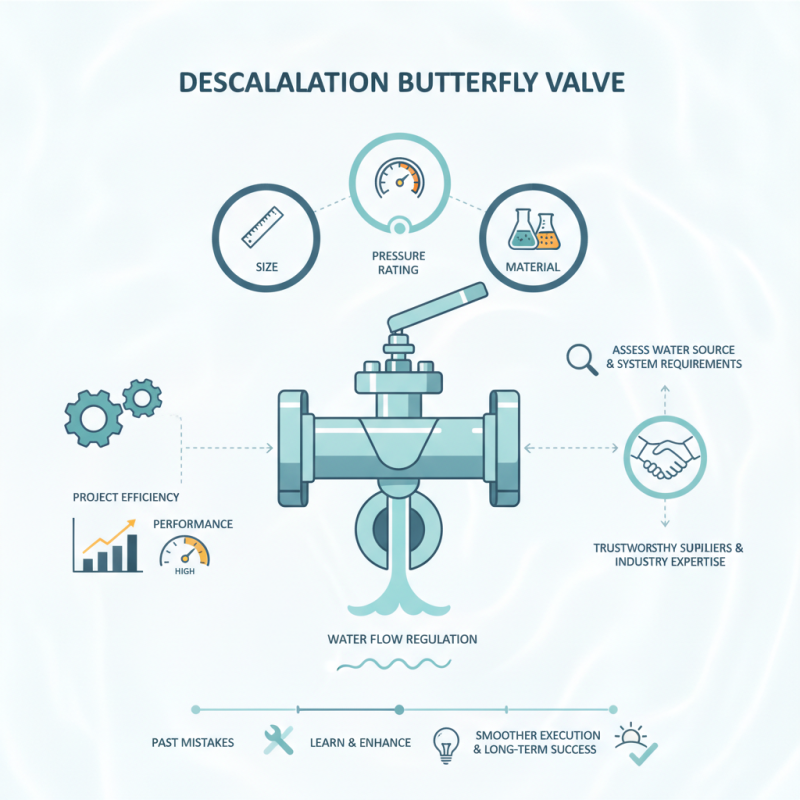
Choosing the right Desalination Butterfly Valve can significantly impact project efficiency and performance. Understanding valve specifications is crucial. Designers must prioritize the valve's size, pressure rating, and material. These factors influence the valve’s longevity and function in desalination plants.
Valves play a vital role in water flow regulation. While many might overlook their importance, a faulty valve can lead to operational failures. Projects often struggle with poorly chosen components. Engineers must dedicate time to research and select the best Desalination Butterfly Valve for their needs. A thorough assessment of the water source and system requirements should guide this decision.
Experience tells us that each project is unique. Sometimes the best choices are not always obvious. Frequent challenges arise from valve compatibility with existing systems. We should learn from past mistakes to enhance future projects. Trustworthy suppliers with industry expertise can provide valuable insights. An informed choice can lead to smoother project execution and long-term success.
Understanding the Importance of Butterfly Valves in Desalination Plants
In desalination plants, butterfly valves play a crucial role in maintaining efficient operations. These valves regulate the flow of water and control pressure levels in various sections of the facility. A report by the International Desalination Association states that over 90% of desalination plants use some form of butterfly valve. This statistic underscores their importance in ensuring smooth water treatment processes.
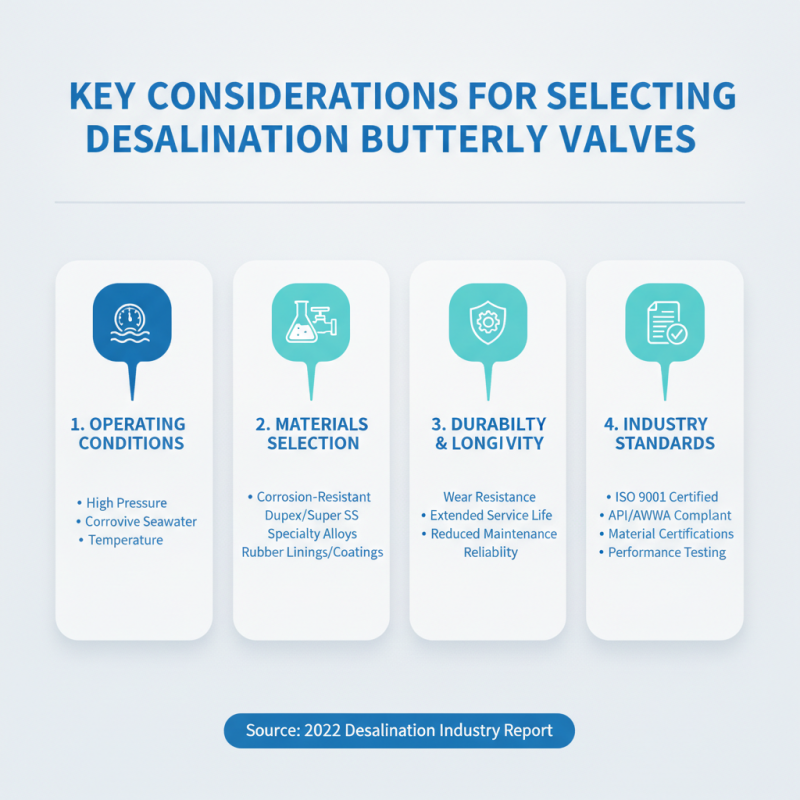
The selection of the right butterfly valve is essential for operational reliability. These valves must withstand high pressures and corrosive environments typical in desalination processes. According to a study by the American Water Works Association, improperly chosen valves can lead to increased maintenance costs and system failures. It emphasizes that understanding material composition and design is vital for longevity.
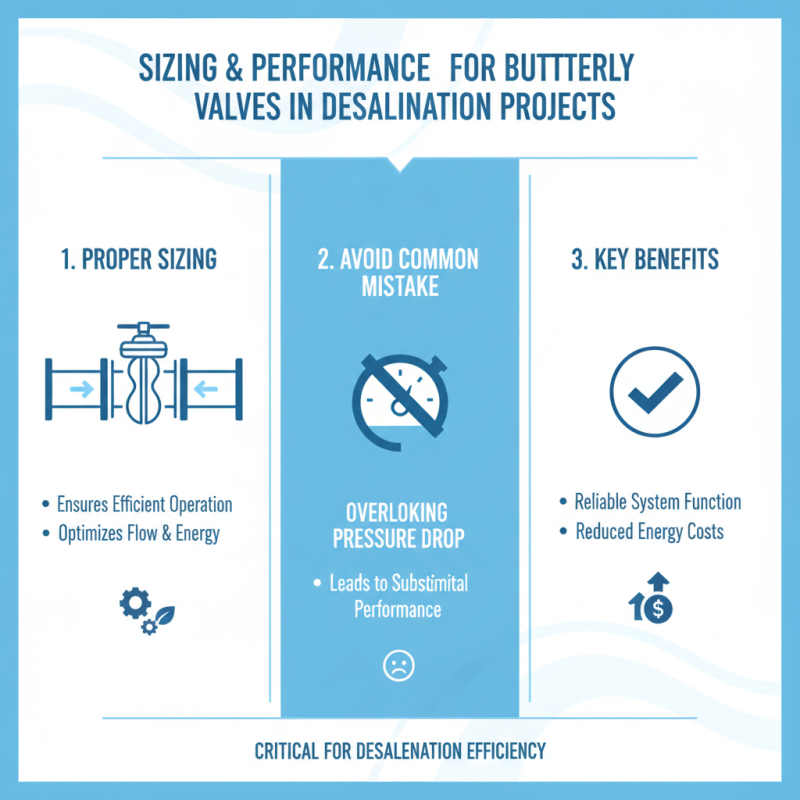
Many engineers overlook the need for specific valve features. For example, operators might underestimate the impact of flow characteristics on valve performance. Adjustments in design can optimize efficiency and minimize water loss. Continuous evaluation and learning from past projects can lead to better decision-making in future desalination initiatives.
Materials and Designs Best Suited for Desalination Applications
When selecting materials for desalination butterfly valves, several key factors come into play. These valves often endure harsh conditions, including high temperatures and corrosive environments. Stainless steel, particularly grades 316 and 304, is commonly used due to their excellent resistance to corrosion. In a report by the International Desalination Association, it's noted that over 60% of desalination plants prefer these materials for their durability and strength.
Beyond stainless steel, specialized coatings also enhance valve performance. For instance, epoxy and polyurethane coatings can significantly extend a valve's lifespan. The use of non-metallic materials, such as PVC and CPVC, is also on the rise. Reports indicate that these materials are gaining traction due to their lightweight properties and resistance to aggressive chemicals.
Similarly, the design of the valve plays a critical role in its functionality. Solid construction enhances reliability, while compact designs minimize installation challenges. However, even with the best materials, improper design can lead to inefficiencies. Research from industry studies highlights that valve failure due to design flaws can result in costly downtime. This reflection emphasizes the importance of thorough evaluation in the selection process.
2026 How to Choose Desalination Butterfly Valve for Projects? - Materials and Designs Best Suited for Desalination Applications
| Material Type |
Corrosion Resistance |
Temperature Range (°C) |
Pressure Rating (Bar) |
Design Type |
| Stainless Steel |
High |
-20 to 200 |
16 |
Compact |
| PVC |
Moderate |
0 to 60 |
10 |
Lug |
| Ductile Iron |
High |
-10 to 150 |
25 |
Wafer |
| Bronze |
Very High |
-20 to 180 |
20 |
Double Flanged |
| CPVC |
Moderate |
0 to 70 |
13 |
Socket Weld |
Installation and Maintenance Best Practices for Desalination Valves
When selecting a desalination butterfly valve, installation and maintenance practices are critical. Proper installation ensures the valve operates efficiently. Poor installation can lead to leaks and costly downtime. Industry reports indicate that about 15% of valve failures stem from improper installation.
Regular maintenance is essential for reliability. Inspecting the valve periodically helps identify wear and tear before issues escalate. Using a journal to track maintenance schedules can be beneficial. According to the Desalination and Water Purification Research and Development Program, regular maintenance can extend a valve's lifespan by up to 30%.
Tips for maintenance: Pay attention to seals and gaskets, as they are common failure points. Keep the valve clean from debris to ensure smooth operation. Lastly, consider using ultrasonic testing to check for leaks without dismantling the system. These practices help maintain efficiency and reduce unexpected costs.