The Ultimate Guide to Sea Water Butterfly Valves in 2026
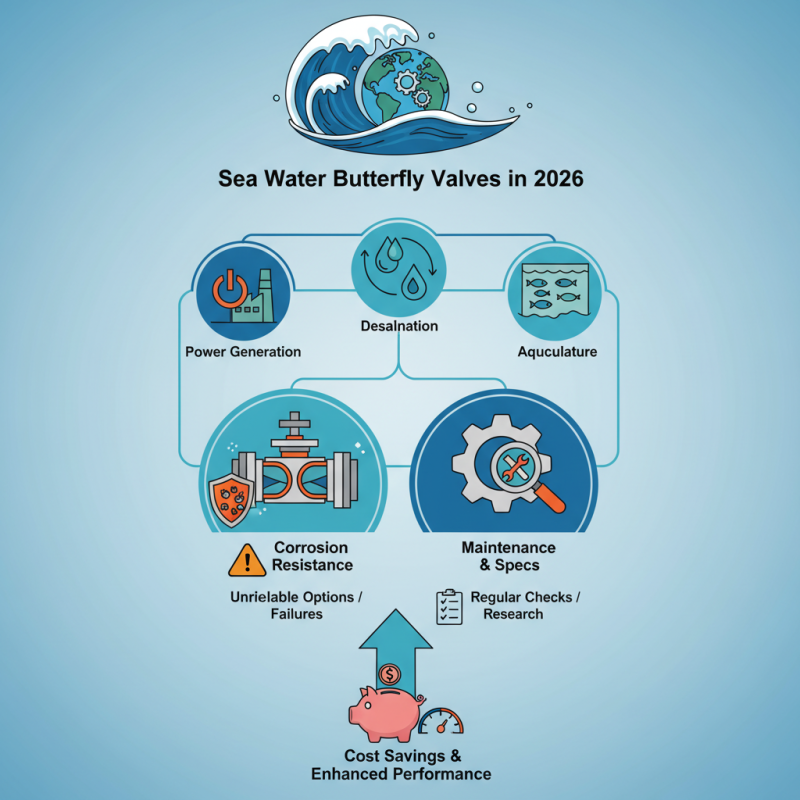
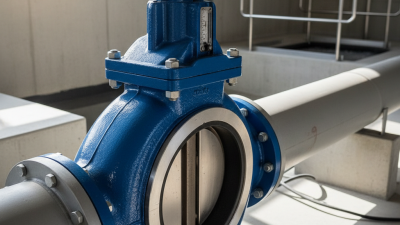
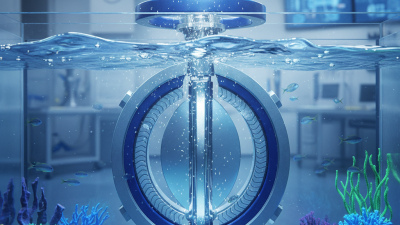
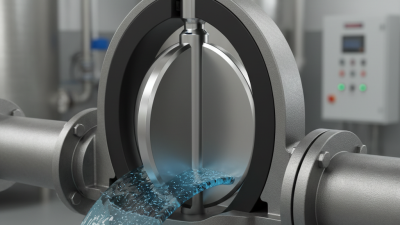
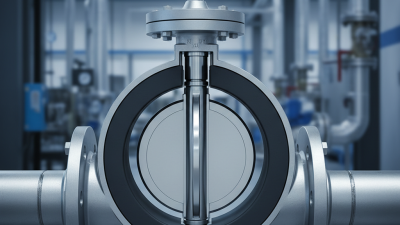
In 2026, the use of Sea Water Butterfly Valves has become essential in various marine applications. These valves are specifically designed to control seawater flow efficiently. They play a crucial role in industries like power generation, desalination, and aquaculture.
When using Sea Water Butterfly Valves, one must consider specific factors. Corrosion resistance is vital due to the harsh seawater environment. However, suppliers may offer options that are not truly reliable. Improper selection can lead to operational failures.
Moreover, maintenance practices can vary widely. Some operators neglect regular checks, risking system efficiency. A good understanding of valve specifications is crucial. Investing time in research is essential. The right choice can save costs and enhance performance.
The Evolution of Sea Water Butterfly Valves: A 2026 Perspective
The evolution of sea water butterfly valves has seen significant advancements in 2026. Water conditions have changed, affecting valve performance. New materials resistant to corrosion now dominate. Innovations have made them more efficient and reliable. The focus has shifted towards sustainability and long-term operation.
Innovative designs improve flow control. Many valves now incorporate smart technology for better monitoring. This trend helps users manage systems with precision. However, the reliance on technology raises concerns about maintenance. Not all systems adapt to these innovations seamlessly.
Tips: Regular inspections are crucial for performance. Consider the valve's environment carefully. Use materials suited for specific conditions. As sea water quality fluctuates, stay informed about potential impacts on valve efficiency. Prioritizing education on these trends can lead to smarter choices.
Key Materials and Coatings for Enhanced Corrosion Resistance in 2026
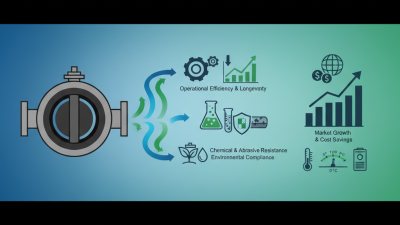
Corrosion resistance is crucial for seawater butterfly valves. In 2026, engineers face unique challenges. Seawater is harsh. It leads to rapid deterioration of materials. Using enhanced coatings can prolong valve life significantly.
Common materials like stainless steel are better, but they are not foolproof. Coatings such as epoxy and polyurethane offer added protection. They create a barrier against corrosive elements. Some coatings can chip or wear off. This leads to potential failures if not monitored regularly.
New composite materials are emerging. They show promise against the salty environment. Yet, they require testing and validation. Engineers need to assess their long-term performance. Balancing cost and effectiveness is essential in material selection. Advancements in technology offer opportunities but also challenges. Continuous improvement is needed to keep up with environmental demands.
The Ultimate Guide to Sea Water Butterfly Valves in 2026 - Key Materials and Coatings for Enhanced Corrosion Resistance
| Material/Coating |
Corrosion Resistance Rating |
Temperature Range (°C) |
Typical Applications |
| Stainless Steel (316) |
High |
-50 to 200 |
Marine Applications |
| CuNi Alloy |
Very High |
-10 to 80 |
Offshore Platforms |
| PTFE Coating |
Moderate |
-40 to 120 |
Chemical Processing |
| Hastelloy |
Extreme |
-100 to 300 |
High-Temperature Environments |
| Epoxy Coating |
Moderate |
-20 to 100 |
Water Treatment |
Market Trends: Demand and Adoption of Sea Water Butterfly Valves in 2026
The sea water butterfly valve market is evolving rapidly. In 2026, demand is projected to increase by 20% due to rising marine infrastructure projects. Coastal cities are investing heavily in seawater systems. This trend drives the adoption of robust and efficient valves.
Industry reports indicate that the need for corrosion-resistant materials is critical. The unique challenges of seawater applications expose valves to harsh conditions. A study found that 35% of existing valves face significant wear issues. This emphasizes the need for regular maintenance and timely replacement. Choosing the right materials is essential for longevity.
Tips: Prioritize suppliers who understand seawater applications. Regularly inspect your valves for signs of wear. Consider investing in newer technologies that promise better durability. Valves are crucial for system efficiency and can impact operational costs significantly. Be cautious when selecting options, as not all products meet the rigorous demands of seawater environments.
Performance Metrics: Evaluating Efficiency and Lifespan of Sea Water Valves
Sea water butterfly valves are crucial in various marine applications. Evaluating their performance metrics helps in understanding their efficiency and lifespan. Key factors include material durability, corrosion resistance, and operational ease. These valves often face challenging conditions. The saltwater environment can lead to premature failure, affecting overall system performance.
When assessing efficiency, consider flow rate measurements. A valve that operates smoothly under different pressures enhances performance. Regular maintenance leads to longevity. Inspect seals and seat materials for wear. Addressing minor issues early can prevent larger failures later.
Tips: Always choose materials specifically designed for seawater applications. This can greatly reduce the risk of corrosion. Analyzing historical performance data can reveal trends and weaknesses. With proper attention to these metrics, the lifespan of sea water valves can be maximized, benefiting your entire system. Keep a close eye on valve performance trends, as they can indicate potential issues before they become critical.
The Ultimate Guide to Sea Water Butterfly Valves in 2026