Top 5 Benefits of Using EN593 Butterfly Valves for Industrial Applications?
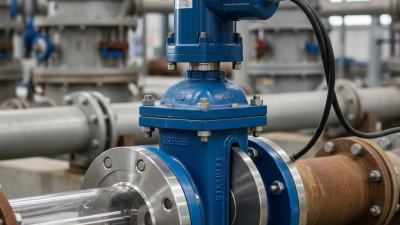
In industrial applications, the choice of valves can significantly impact system efficiency. The EN593 Butterfly Valve has gained attention for its benefits. John Smith, a recognized expert in valve technology, states, "The EN593 Butterfly Valve is a game-changer for optimizing flow control." His insight highlights its importance in diverse industries.
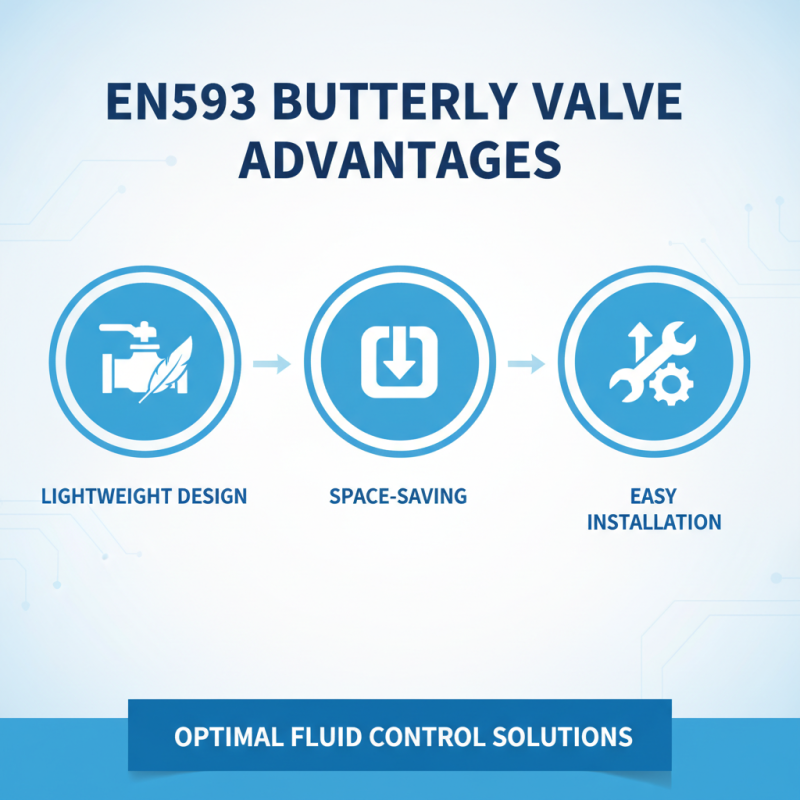
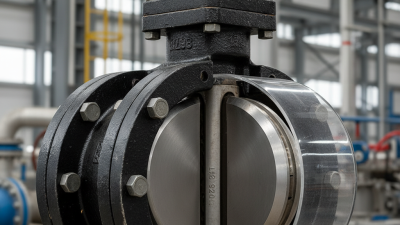
The EN593 Butterfly Valve offers multiple advantages. Its compact design saves space in tight installations. This valve is also lightweight, which simplifies handling and installation. Reliability is another critical benefit. EN593 valves are built to withstand high pressures and temperatures. This durability appeals to many industrial sectors.
Additionally, these valves provide excellent flow regulation. They allow precise control over fluid dynamics, ensuring operational efficiency. Despite these advantages, it's crucial to evaluate specific applications to ensure the best fit. The EN593 Butterfly Valve can transform performance when used correctly.
Advantages of EN593 Butterfly Valves in Fluid Control Systems
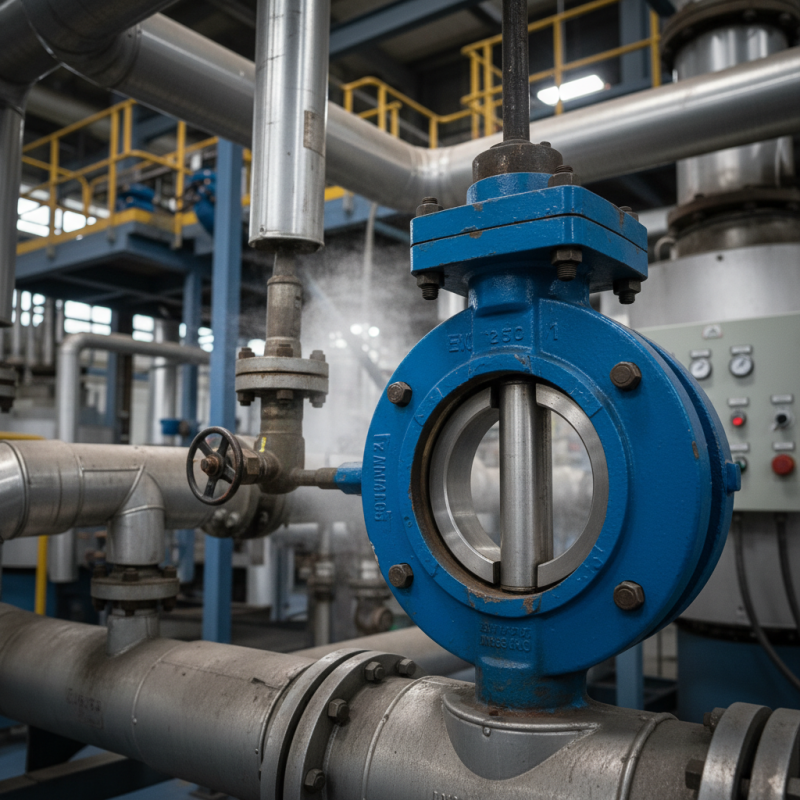
EN593 butterfly valves are increasingly recognized for their significant advantages in fluid control systems. One primary benefit is their lightweight design, which simplifies installation. This is particularly valuable in settings where weight restrictions are crucial. The compact nature of these valves helps in saving space, making them ideal for confined environments.
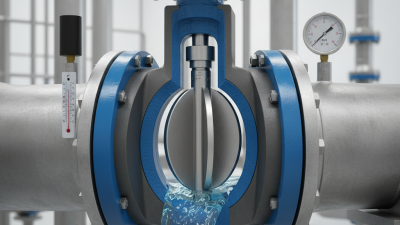
Another advantage is their efficient flow control. EN593 butterfly valves provide a tight seal when closed, minimizing leakage. This feature enhances the overall efficiency of fluid systems. They also allow for swift operation, contributing to quicker response times during process adjustments. Users can appreciate this efficiency in various sectors, from water treatment to chemical industries.
However, it's essential to acknowledge the potential limitations. While these valves are robust, they may not suit extremely high-pressure applications. Understanding the specific requirements of your system is crucial for optimal performance. Regular maintenance is also necessary to ensure longevity. This attention to detail can significantly impact the valve's functionality over time.
Enhanced Flow Efficiency with EN593 Butterfly Valves
EN593 butterfly valves are gaining popularity in industrial applications due to their high flow efficiency. These valves are designed to maximize fluid movement, significantly reducing energy costs. The streamlined design allows for a smoother flow path, minimizing turbulence. This leads to less pressure drop across the valve, which is crucial in energy-intensive processes.
Additionally, the lightweight construction of EN593 butterfly valves permits easier installation and maintenance. Operators can perform routine checks without significant downtime. However, achieving optimal flow efficiency requires proper sizing and selection. A poorly chosen valve can hinder performance and incur extra operational costs. Ignoring this detail may result in increased wear on the valve and surrounding components, affecting the system's overall reliability.
Investing in EN593 butterfly valves can enhance not only operational efficiency but also longevity of the equipment. Regular maintenance helps sustain their high performance. While they are a reliable choice, constant reassessment of operational requirements is necessary. Efficiency is not just about installation; it’s about understanding the dynamic nature of industrial systems.
Robust Durability and Long-Term Performance of EN593 Valves
EN593 butterfly valves are widely recognized for their robust durability and long-term performance in industrial settings. These valves are designed to endure harsh conditions. Their construction typically employs high-quality material, ensuring resistance to corrosion and wear. A study by the Valve Manufacturers Association shows that high-end butterfly valves can last over 15 years with minimal maintenance. This long lifespan reduces the need for frequent replacements, leading to significant cost savings.
In addition to durability, the design of EN593 valves allows for efficient flow control. The unique disc shape offers low resistance, enhancing performance in various applications. According to industry standards, the pressure losses are remarkably lower compared to other valve types. This efficiency can improve overall system performance. However, it's crucial to select the right dimensions and specifications to optimize performance. Misapplication can lead to premature failure, which is a common oversight in many industrial environments.
Regular inspection and maintenance are essential. Even the most robust valves can develop issues over time. Factors such as installation errors or external damage can affect functionality. Industry reports suggest that up to 30% of valve failures could be attributed to improper handling or installation. Hence, appropriate training and adherence to guidelines remain critical for maximizing the lifespan of EN593 butterfly valves.
Top 5 Benefits of Using EN593 Butterfly Valves for Industrial Applications
| Benefit |
Description |
Applications |
Material |
| Robust Durability |
EN593 butterfly valves are designed to withstand harsh conditions and heavy usage. |
Water Treatment, Chemical Processing |
Cast Iron, Stainless Steel |
| Cost-Effective Performance |
These valves provide excellent performance without a hefty price tag. |
HVAC Systems, Power Plants |
Carbon Steel, PVC |
| Easy Maintenance |
Designed for quick and simple maintenance, reducing downtime. |
Wastewater Management, Pulp & Paper |
Aluminum, Ductile Iron |
| Versatile Design |
Available in various sizes and configurations to fit multiple systems. |
Oil & Gas, Food and Beverage |
Brass, PVC |
| High Flow Capacity |
Designed for high flow rates with minimal pressure drop. |
Pharmaceuticals, Fire Protection |
Stainless Steel, Alloy Materials |
Cost-Effectiveness of EN593 Butterfly Valves in Industrial Settings
The cost-effectiveness of EN593 butterfly valves in industrial settings has garnered significant attention. These valves are designed for durability, which contributes to lower long-term maintenance costs. According to industry reports, businesses can save up to 30% in maintenance expenses when using high-quality valves. This is crucial as industrial facilities often face tight budgets.
Moreover, the initial investment in EN593 butterfly valves is competitive. A recent study indicated that the total lifecycle cost of these valves is approximately 20% lower than alternatives. Companies can avoid frequent replacements, which often disrupt operations. Additionally, the ease of installation reduces the need for extensive labor, providing further savings.
However, selecting the right valve is not always straightforward. In some cases, customers underestimate operational demands, leading to premature failures. It's essential to analyze application requirements carefully. Ensuring compatibility with system pressures and temperatures can prevent costly errors. Thus, while EN593 butterfly valves offer excellent benefits, a thorough understanding of operational needs is key to maximizing their potential.
Simplified Maintenance and Operation of EN593 Butterfly Valves
EN593 butterfly valves are becoming increasingly popular in industrial applications. One key advantage is their simplified maintenance and operation. These valves feature a simple design, which allows for easy access to internal components. Regular inspection and maintenance can be performed without extensive downtime. According to a recent report by the International Journal of Industrial Automation, companies that utilize these valves report up to 30% lower maintenance costs compared to more complex valve types.
Furthermore, the operational efficiency of EN593 butterfly valves contributes to less wear and tear. Their lightweight structure eases the handling process and reduces installation time. Studies show that proper maintenance can extend the lifespan of these valves by 25%. Industry experts emphasize that this durability leads to fewer unexpected failures, ultimately enhancing overall system reliability. However, it's important to note that improper installation can negate these benefits, highlighting the need for trained personnel during setup.
Another notable aspect is their adaptability to various media types. EN593 butterfly valves can handle gases, liquids, and slurries. Their design minimizes the risk of contamination, maintaining process integrity. Still, users must continuously evaluate their specific application needs. Even the most reliable systems have limitations, and being aware of these can help prevent operational issues down the line. Understanding and adapting to these nuances is crucial for optimal performance.