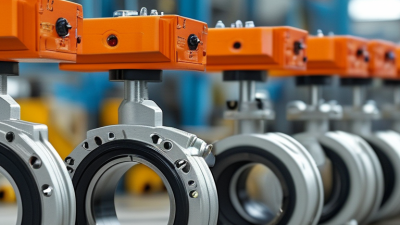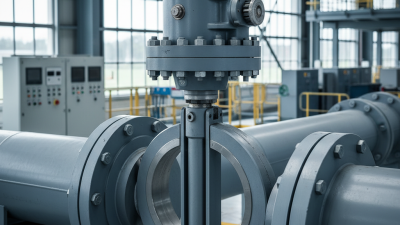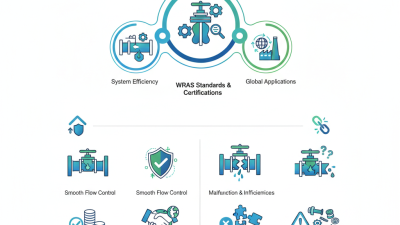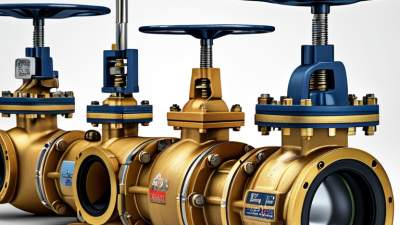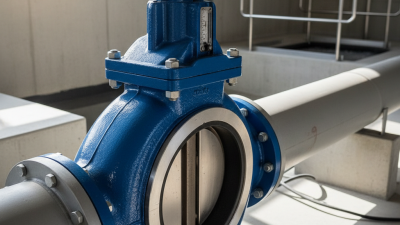
China has become a major source of industrial valve technology, including the Zero Leakage Butterfly Valve. Manufacturers serve water treatment, power generation, chemical processing, food production, and other demanding industries. Their products often combine compact designs with lower operating torque and reduced maintenance needs.
This guide introduces ten leading Chinese manufacturers and explains why they attract global buyers. The selection considers manufacturing experience, product range, quality systems, testing capabilities, export performance, and technical support. It also examines seat materials, body construction, actuator options, pressure ratings, and applicable industry standards. These details matter when a valve controls corrosive fluids, hot water, or clean process lines.
In practical installations, leakage performance depends on more than the product label. Seat alignment, shaft condition, flange accuracy, installation torque, and regular inspection can change the result. A valve may perform well in a factory test but struggle after poor installation. That point deserves attention.
Real projects are rarely perfect.
Supplier claims should be checked through test reports, drawings, certificates, reference projects, and direct technical communication. Buyers should also compare delivery capacity, spare-part availability, warranty terms, and after-sales response. The strongest manufacturer is not always the largest one. Application knowledge can be more valuable than a polished catalogue.
This overview aims to provide a balanced starting point. It recognizes established strengths while leaving room for verification. By comparing these China-based manufacturers carefully, engineers and purchasing teams can make more reliable decisions for safe, efficient, and long-term valve performance.
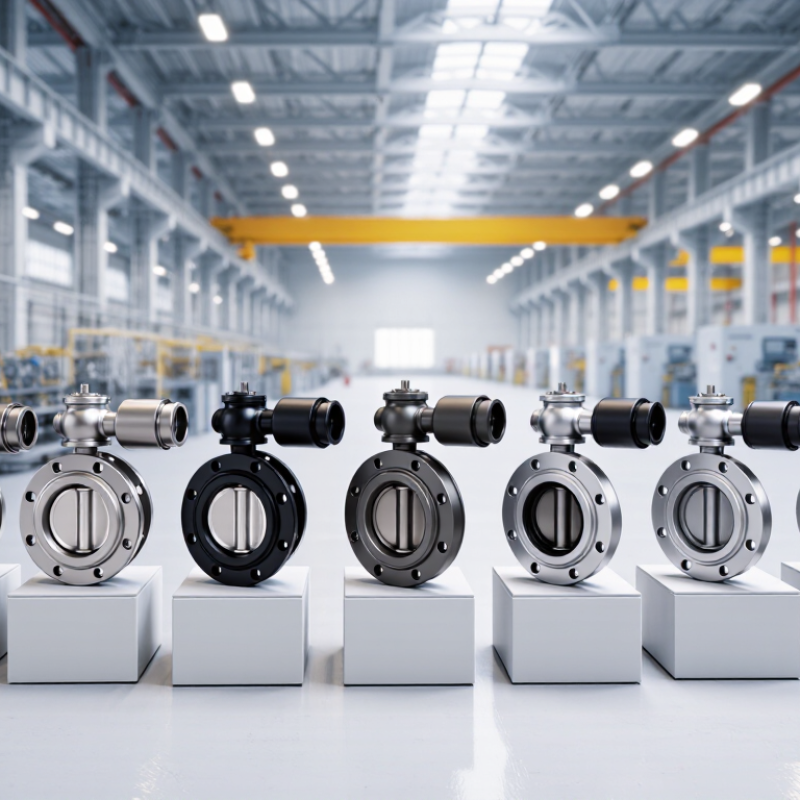
A zero-leakage butterfly valve is designed to stop visible fluid passage when fully closed. Its circular disc rotates around a stem, usually through 90 degrees. The disc presses against an elastomeric or metal seat, creating a tight sealing line inside the valve body.
Performance depends on more than the valve design. Seat material, disc finish, shaft alignment, and pipeline cleanliness all matter. A small weld bead or piece of rust can damage the sealing surface. In field inspections, technicians commonly check flange alignment, bolt tension, actuator travel, and pressure-test results. Standards such as ISO 5208 help define acceptable shutoff performance, but “zero leakage” still refers to a specified test condition. It does not promise perfect sealing under every temperature, pressure, or chemical exposure.
Double-offset and triple-offset designs reduce rubbing between the disc and seat during opening. This can lower wear and improve service life in demanding systems. Resilient seats suit many water applications, while metal seats handle higher temperatures and harsher duty. Selection should follow the medium, pressure class, operating temperature, and cycling frequency.
Installation errors remain a frequent weakness. The valve may be technically excellent, yet leak after careless assembly. That point deserves more attention. A properly tested valve can still fail if maintenance teams ignore torque settings, corrosion, or actuator calibration. Regular inspection gives operators evidence instead of assumptions.
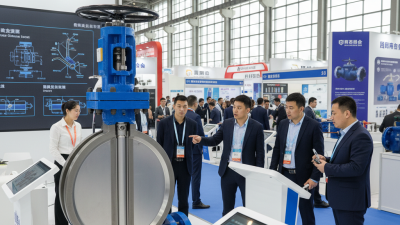
Zero-leakage butterfly valves depend on several technologies working together. Under ISO 5208, Leakage Rate A requires no visible leakage during testing. API 598 also defines pressure-test procedures and acceptance criteria. These standards separate genuine sealing performance from vague sales language.
Resilient elastomer seats provide tight closure at moderate temperatures. Their performance depends on rubber compound, compression, and surface finish. PTFE-lined seats handle more demanding chemical services. Double-offset and triple-offset designs reduce disc friction during opening. Metal seats can tolerate higher temperatures, but machining accuracy becomes critical. Stem sealing also matters. A polished stem, controlled packing load, and secondary sealing arrangement help limit external leakage. Small defects can still appear after repeated thermal cycling.
The MarketsandMarkets Industrial Valves Market report estimated the sector at approximately US$78 billion in 2023. It projects growth toward roughly US$104 billion by 2028. This expansion increases demand for measurable sealing reliability. However, market reports rarely show how valves perform after years of vibration, pressure changes, and dirty media. That gap deserves attention. Manufacturers should combine hydrostatic, pneumatic, helium, and endurance testing where service conditions require it. In practice, perfect sealing is not automatic. It depends on material compatibility, accurate assembly, and disciplined maintenance records.
| No. | Key Technology | How It Supports Zero Leakage | Typical Materials or Design Features | Relevant Standard or Test Reference | Primary Application Benefit |
|---|---|---|---|---|---|
| 1 | Resilient Seat Design | A continuous elastomeric seat creates a tight seal around the disc when the valve is closed, compensating for minor surface irregularities. | EPDM, NBR, FKM, or PTFE-based seat materials selected according to temperature and media compatibility. | API 609; EN 593 | Bubble-tight shutoff |
| 2 | Double-Offset Disc and Shaft Geometry | Offsetting the shaft reduces rubbing between the disc and seat during operation, helping preserve sealing surfaces and reduce wear. | Commonly used with metal or reinforced polymer seats; suitable for larger valve sizes. | API 609; EN 593 | Lower wear |
| 3 | Triple-Offset Metal Sealing | Three geometric offsets allow the laminated or solid metal seal to move away from the seat during opening and form a cam-action seal during closure. | Stainless steel, nickel-alloy, or graphite-containing laminated sealing components. | API 609; ISO 5208 | High-temperature sealing |
| 4 | Precision-Machined Sealing Surfaces | Controlled flatness, roundness, and surface finish help maintain uniform contact pressure between the disc and seat. | CNC-machined disc edges, lapped seats, and dimensional inspection using calibrated gauges. | ISO 5211; manufacturer quality procedures | Consistent closure |
| 5 | Integrated Shaft Sealing System | Multiple shaft seals limit external fugitive emissions and prevent process media from escaping through the stem area. | O-rings, graphite packing, PTFE packing, or live-loaded packing arrangements. | ISO 15848-1; API 641 | Reduced emissions |
| 6 | Anti-Blowout Shaft Construction | A retained shaft prevents accidental shaft ejection under line pressure, supporting mechanical integrity and safe operation. | One-piece, keyed, splined, or internally retained shaft configurations. | API 609; ISO 5208 | Enhanced safety |
| 7 | Disc-to-Shaft Connection Control | Accurate shaft and disc connections maintain alignment and transmit closing torque without excessive backlash. | Keyed, pinned, splined, or polygonal connections manufactured with controlled tolerances. | ISO 5211; API 609 | Reliable actuation |
| 8 | Corrosion-Resistant Wetted Materials | Materials selected for the process fluid help prevent pitting, erosion, and surface damage that could compromise the seal. | Ductile iron, carbon steel, stainless steel, duplex stainless steel, and corrosion-resistant overlays. | ASTM material specifications; EN 593 | Longer service life |
| 9 | Bidirectional Sealing Capability | Symmetrical or specially profiled seat arrangements are designed to maintain shutoff performance when pressure is applied from either direction. | Centered resilient seats, double-offset seats, or pressure-energized metal seals. | API 609; ISO 5208 | Flexible installation |
| 10 | Factory Pressure and Leakage Testing | Hydrostatic shell tests and low-pressure or high-pressure closure tests verify body integrity and seat tightness before shipment. | Test pressure, duration, and allowable leakage depend on the applicable valve class and test standard. | ISO 5208; API 598; EN 12266-1 | Verified shutoff quality |
Note: “Zero leakage” is commonly used to describe a valve meeting the applicable tightness class under specified test conditions. Actual performance depends on valve design, pressure rating, temperature, seat material, fluid characteristics, installation, and testing requirements.
Evaluating China’s zero-leakage butterfly valve manufacturers requires evidence, not attractive catalogs. ISO 5208 Rate A requires no visually detectable leakage during the specified test. Ask for dated reports showing pressure, medium, temperature, and test duration. API 598 procedures can provide another industrial benchmark. According to MarketsandMarkets’ Industrial Valves Market report, the market was valued at USD 78.7 billion in 2023 and may reach USD 96.7 billion by 2028. More choices do not always mean better quality.
During a supplier audit, inspect material certificates for the body, disc, stem, and seat. Check whether heat numbers match production records. Request torque curves and cycle-test results, especially for large-diameter valves. A clean workshop helps. It proves little alone. Watch a pressure test closely: water should remain stable, gauges should be calibrated, and leakage observations should be recorded. Confirm that tests cover actual operating temperatures, not only room temperature.
Reliability also depends on traceability and service. Review nonconformance records, corrective actions, spare-seat availability, and response times. Verify certificates through issuing organizations when possible. One imperfect point deserves attention: factory tests cannot fully reproduce pipeline vibration, misalignment, or dirty media. A stronger evaluation combines laboratory evidence with references from similar water, chemical, or energy applications. Compare lifecycle cost, including replacement seats, maintenance, and downtime.
China’s Top 10 Zero-Leakage Butterfly Valve Manufacturers are often assessed through performance, testing discipline, and project experience. A reliable manufacturer should provide clear pressure ratings, material certificates, and traceable inspection records. “Zero leakage” must also be defined by the applicable test standard and operating conditions.
In practical plant reviews, engineers examine seat design, shaft alignment, disc finishing, and actuator compatibility. Resilient seats suit many water applications, while metal-seated designs handle higher temperatures and demanding industrial media. The valve should close smoothly, without excessive torque or sudden disc movement. Small details matter.
Factory testing should include shell pressure tests, seat leakage tests, dimensional checks, and repeated operating cycles. ISO 5208 and API 598 are common references, but project specifications still control acceptance. A capable supplier can explain its test equipment, calibration intervals, and corrective-action process. Photos help, but witnessed testing gives stronger evidence.
Cost alone can mislead. A low quotation may hide thinner materials, limited spare parts, or weak after-sales support. Even experienced manufacturers can face inconsistent coating thickness or delayed documentation. That deserves honest review, not polished marketing. Buyers should compare delivery records, customization ability, and field feedback across China’s top ten candidates before approving a valve for critical service.
Choosing among China’s top 10 zero leakage butterfly valve manufacturers requires more than comparing catalog prices. Start with the actual service conditions. Record pressure, temperature, media, pipe size, cycling frequency, and installation space. A valve designed for clean water may fail quickly with abrasive slurry. Material matters.
Ask each manufacturer for documented leakage test results, not general promises. Confirm the testing standard, pressure duration, acceptance class, and test medium. ISO 5208 and API 598 are useful reference points, but project requirements may demand more. Examine seat materials, shaft design, disc finish, actuator sizing, and corrosion protection. Request sample inspection records and serial-number traceability. Small details matter.
Experience can be tested through evidence. Ask for comparable installations, failure data, maintenance intervals, and customer references. A factory audit can reveal machining controls, assembly cleanliness, calibration practices, and spare-parts storage. Certifications help, but certificates alone prove little. Check their scope and validity.
Service deserves equal attention. Confirm response times, technical drawings, installation guidance, warranty terms, and replacement-part availability. Compare total ownership cost, including downtime and actuator maintenance. The lowest quotation may hide thinner seats or weaker quality control. Cheap is tempting. That assumption fails.
I would also compare two or three sample valves under realistic operating conditions. Measure closing torque, inspect sealing surfaces, and repeat the cycle test. Brochures are polished. Field evidence is less comfortable, but more useful. A manufacturer willing to discuss limitations may be more reliable than one claiming perfection.
This evaluation framework shows practical weighting factors for comparing zero-leakage butterfly valve manufacturers. Testing and certification should be verified against applicable standards such as ISO 5208, API 609, EN 593, and ISO 15848. Buyers should also confirm pressure rating, temperature range, material traceability, lifecycle testing, delivery capability, and after-sales support before making a final selection.