How to Select a Butterfly Valve With Locking Device for 2026?
Choosing the right Butterfly Valve With Locking Device is crucial for the efficiency of any fluid control system. Renowned expert in valve technology, Dr. Alan Foster, emphasizes, "A properly selected valve increases both safety and performance." His insights reflect the importance of understanding the unique requirements of your application.
In 2026, industries face stricter regulations. Selecting a Butterfly Valve With Locking Device should consider both operational needs and compliance. An effective valve enhances system reliability, reducing maintenance costs. Attention to details, such as material compatibility and locking mechanism design, can make a significant difference in performance.
Despite advancements, challenges remain. The selection process can feel overwhelming. It requires balancing multiple factors, including budget and project specifications. Understanding your system's needs is vital. Continuous learning in this rapidly evolving field will ensure informed decisions. A well-chosen Butterfly Valve With Locking Device can lead to greater operational success.
Understanding Butterfly Valves and Their Applications
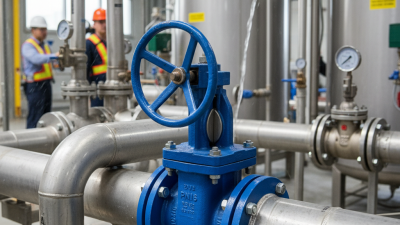
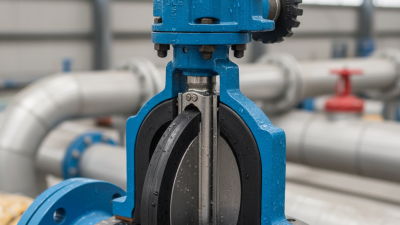
Butterfly valves are essential components in various industrial applications. They regulate fluid flow in pipelines effectively. Understanding their design and functionality is crucial for selecting the right valve for specific tasks.
Many industries rely on butterfly valves due to their lightweight and compact nature. They minimize pressure drops, making them efficient. Applications range from water treatment to chemical handling.
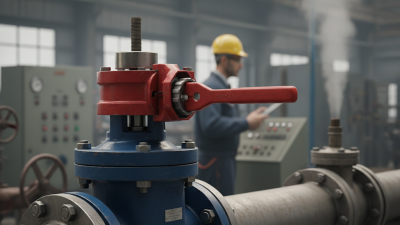
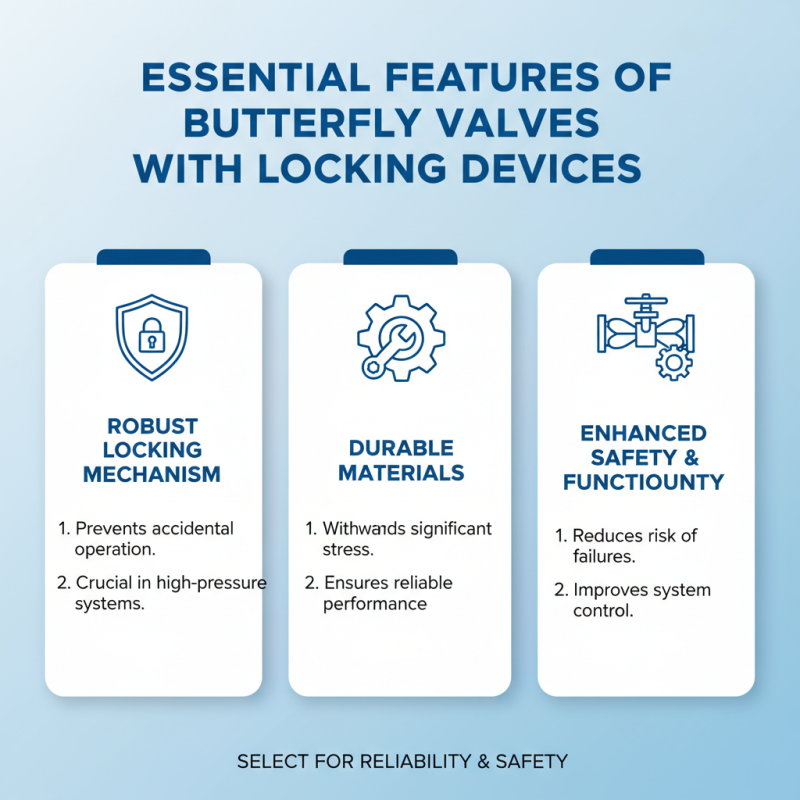
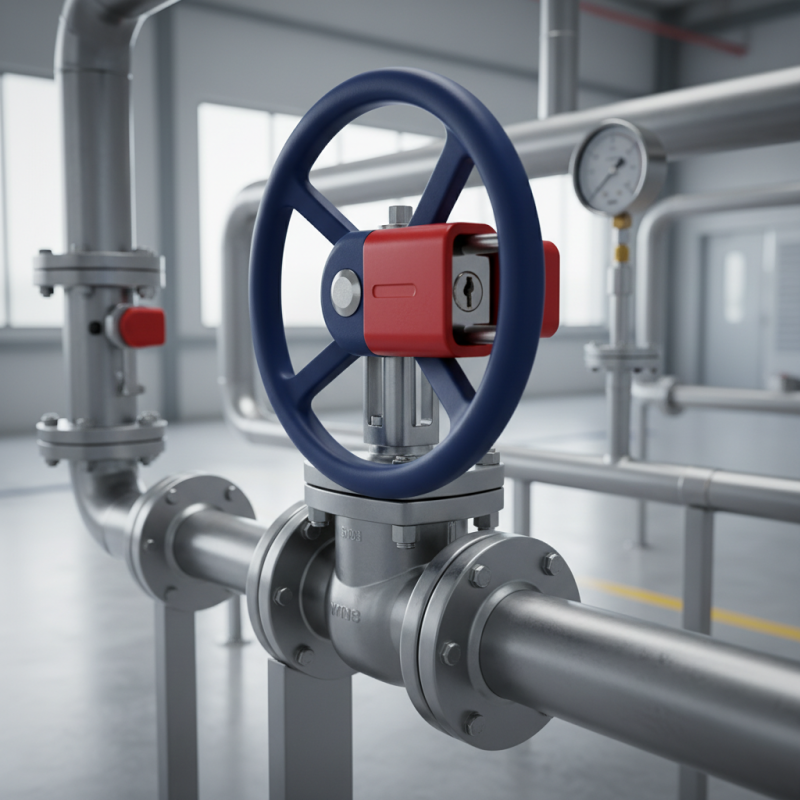
However, not all butterfly valves are the same. Factors such as material choice and actuator type influence performance. Locking devices add an extra safety feature, preventing unwanted valve operation. This is vital in environments where accidental fluid release can cause hazards.
Selecting a butterfly valve with a locking device requires careful consideration. It's easy to overlook compatibility with existing systems. Engineers should assess the specific needs of their applications. Understanding the working environment helps ensure that the chosen valve performs reliably over time. Gathering insights from industry experts can guide this decision-making process.
Factors to Consider When Selecting a Locking Butterfly Valve
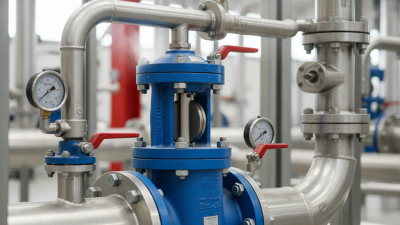
When selecting a butterfly valve with a locking device, several factors must be carefully evaluated. One key consideration is the material of the valve. Different environments demand different materials. For corrosive or high-temperature applications, stainless steel may be necessary. However, cost and weight also play significant roles.
Another important aspect is the locking mechanism itself. Various locking devices offer different security levels. Evaluate functionalities like manual override options and compatibility with existing systems. A reliable locking device ensures the valve remains securely in place, reducing risks of accidental operation.
**Tips:** Always verify that the locking mechanism meets industry standards. It's crucial to prioritize safety and compliance. Test the lock under realistic conditions, as flaws may not show during initial use. Ensure the valve easily integrates with other components in your system. This can save time and costs later. Reflect on previous experiences; sometimes, overlooked details can lead to significant issues.
Butterfly Valve Locking Device Selection Factors
Comparing Different Locking Mechanisms in Butterfly Valves
When selecting a butterfly valve with a locking device, it’s essential to understand different locking mechanisms. Each mechanism has unique characteristics that can impact performance and safety. One option is the lever lock, which offers quick operation. It is user-friendly and ideal for manual adjustments. However, it may not provide the highest level of security against tampering or accidental movements.
Another common choice is the electric lock. This mechanism provides precise control and automation. It can be integrated into existing systems, enhancing safety. Yet, reliance on electricity means it may not function during power outages. This makes it less reliable in critical situations.
Finally, consider the pneumatic locking device. This option offers strong locking capabilities, suitable for high-pressure environments. Maintenance is important, as wear and tear can lead to failures. It’s vital to evaluate the specific needs of your application. Reflecting on these options will help ensure a sound decision for your butterfly valve selection process.
Industry Standards and Regulations for Locking Butterfly Valves in 2026
When selecting a butterfly valve with a locking device for 2026, understanding industry standards and regulations is crucial. Certain specifications will become more prevalent. The option of direct locking mechanisms in design may increase. Safety and reliability must guide your choice. Regulatory compliance ensures the valve operates safely in various environments.
Industry standards may evolve. Monitoring updates from regulatory bodies is essential. Check for certifications that guarantee performance under pressure. Inspect any recent changes to safety standards or installation guidelines. These may vary by region or application.
Tips: Always read manufacturer guidelines. Inspect the valve thoroughly before installation. Consider the environment's unique demands. Nervous about selection? Consult experts in valve design. Engaging with professionals can provide insights into best practices. Their knowledge can inform your decisions and ensure compliance with the latest standards.
How to Select a Butterfly Valve With Locking Device for 2026? - Industry Standards and Regulations for Locking Butterfly Valves in 2026
| Parameter |
Specification |
Industry Standard |
Compliance Status |
| Material |
Ductile Iron |
ASTM A536 |
Compliant |
| Size |
4" - 24" |
ANSI B16.34 |
Compliant |
| Pressure Rating |
150 psi to 300 psi |
API 598 |
Compliant |
| Temperature Range |
-20°F to 150°F |
ASME B31.3 |
Compliant |
| Actuator Type |
Electric / Pneumatic |
IEC 60529 |
Compliant |
| Locking Mechanism |
Manual / Automatic |
ISO 5211 |
Compliant |
| Face-to-Face Dimension |
Standardized |
ANSI B16.10 |
Compliant |