Ultimate Guide to Hydraulic Control Valve Tips for Buyers?
In the world of hydraulic systems, the Hydraulic Control Valve plays a critical role. This component regulates flow and pressure, ensuring machinery operates smoothly. Choosing the right valve can be overwhelming, given the variety of options available. Buyers must consider specific factors to make informed decisions.
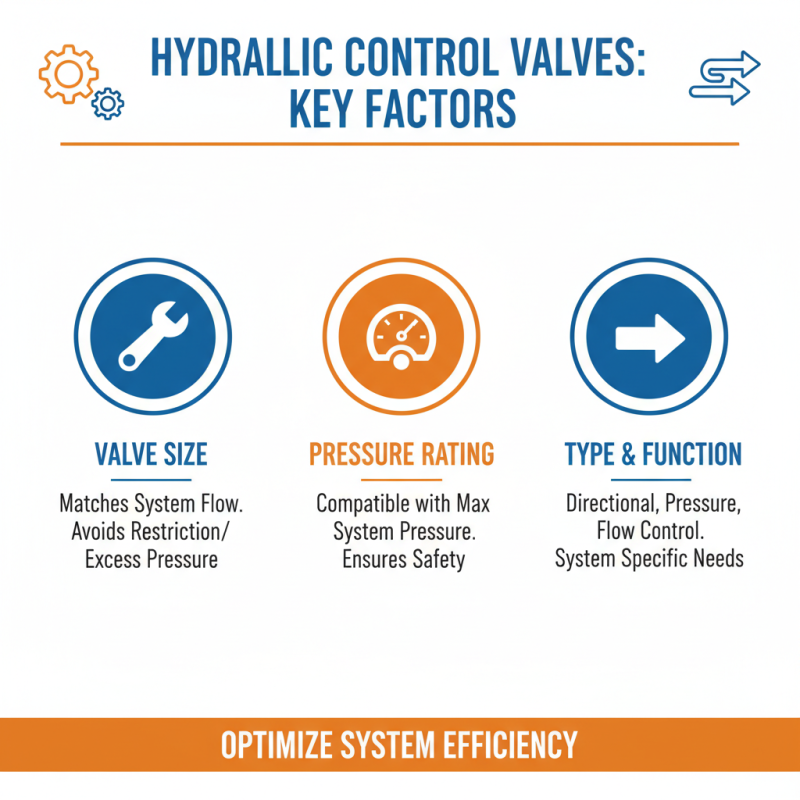
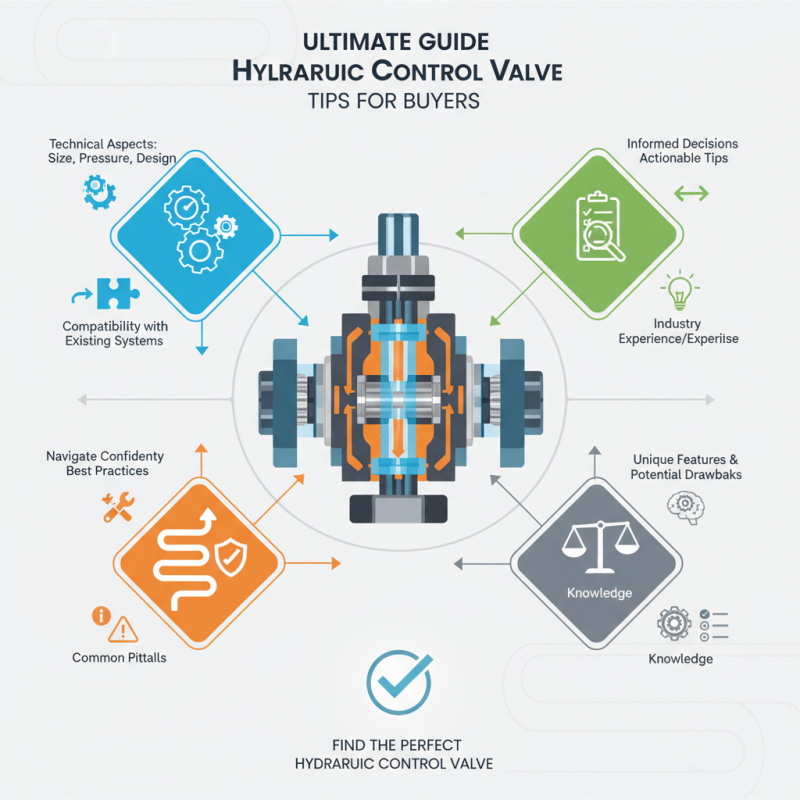
Understanding the technical aspects is essential. Hydraulic Control Valves vary in size, pressure ratings, and design. Each choice can affect performance and efficiency. Many buyers are often unsure about compatibility with existing systems. Mistakes here can lead to costly repairs and downtime.
This guide aims to provide actionable tips for buyers. It draws from years of industry experience and expertise. You'll gain insights into common pitfalls and best practices. Making a choice doesn’t have to be daunting. With the right knowledge, you can navigate the selection process confidently. Each valve has its unique features and potential drawbacks to reflect upon. The path to finding the perfect Hydraulic Control Valve begins here.
Understanding Hydraulic Control Valves: Essential Functions and Types
Hydraulic control valves play a crucial role in fluid power systems. They regulate the flow and pressure of hydraulic fluids, controlling actuators like cylinders and motors. Understanding these valves helps in making informed purchasing decisions.
There are various types of hydraulic control valves. Directional control valves manage the path of fluid flow. Pressure control valves ensure the system does not exceed safe pressure levels. Flow control valves regulate the speed of fluid movement, which affects actuator performance. Each type has unique functions and applications. Knowing the basics can prevent common mistakes in selection.
It’s important to consider factors like compatibility and system requirements. Often, users overlook these details, leading to inefficiencies. Deep knowledge can save time and costs in the long run. Remember, not all valves are created equal. Seek advice from knowledgeable sources to avoid potential pitfalls.
Common Mistakes to Avoid When Buying Hydraulic Control Valves
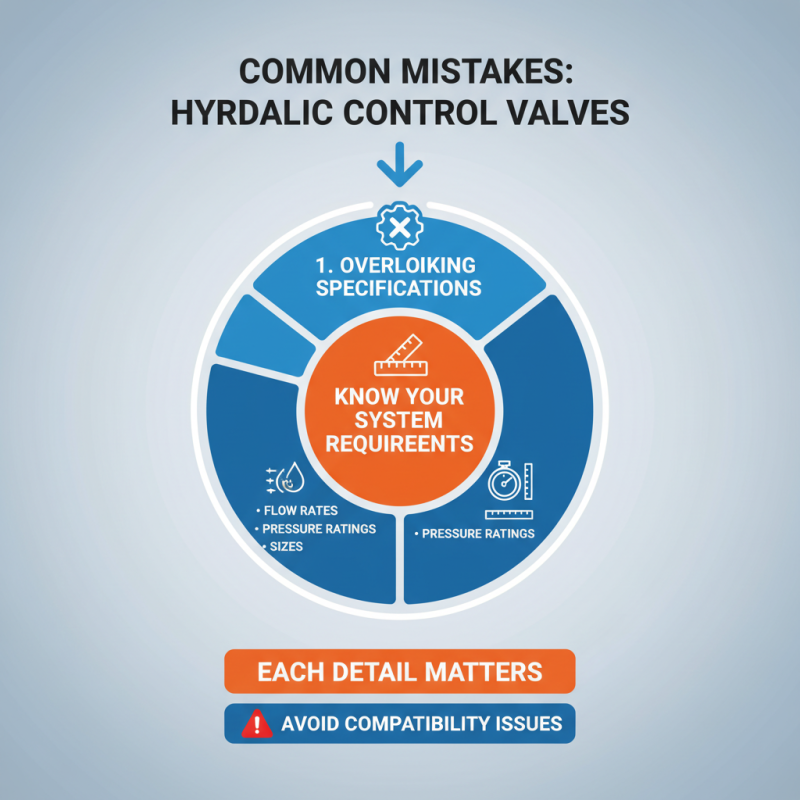
When purchasing hydraulic control valves, buyers often make critical mistakes. One common error is overlooking specifications. It's essential to know your system's requirements. Understand flow rates, pressure ratings, and sizes. Each detail matters. Ignoring these can lead to compatibility issues.
Another frequent pitfall is focusing solely on cost. While budget constraints are real, prioritizing price over quality can backfire. Low-cost valves may not perform well. They can lead to leaks and failures. Investing in a reliable valve often saves money in the long run.
Lastly, many buyers forget to consider maintenance needs. A valve that is hard to service can cause headaches down the line. Ask about the ease of maintenance during the buying process. Choose valves that come with accessible support. Reviewing these factors helps prevent regrets later.
Maintenance Tips for Ensuring Optimal Performance of Hydraulic Valves
Hydraulic valves play a critical role in various systems, ensuring fluid control and efficiency. Regular maintenance is vital for optimal performance. Start with daily inspections, checking for leaks and unusual noises. Small issues can escalate. A well-maintained valve avoids bigger problems later.
Clean the valves regularly to prevent buildup. Debris can affect movement and response times, leading to inefficiencies. Lubrication is essential but should be done carefully. Over-lubricating can create more problems. Ensure you use the specified lubricant to avoid damaging seals.
Temperature monitoring is crucial. Extreme heat can degrade components. Keep an eye on gauge readings and act quickly if something seems off. Lastly, training personnel in proper handling can prevent misuse. A knowledgeable team can significantly extend the lifecycle of hydraulic valves.
Hydraulic Control Valve Performance Metrics
This bar chart illustrates the performance metrics of hydraulic control valves. The values represent various key parameters that influence the overall effectiveness and reliability of hydraulic systems. Regular monitoring of these metrics can help ensure optimal performance and longevity of hydraulic valves.
Industry Applications: How to Select Valves for Specific Needs
When selecting hydraulic control valves, understanding industry applications is crucial. Different sectors have unique requirements. For instance, construction equipment demands high-pressure valves that can withstand heavy loads. Meanwhile, agricultural machines often require valves that can manage variable flows efficiently. Evaluating these specific needs will directly influence your choice.
Consider the material your valve is made of. Some industries operate in corrosive environments. Therefore, stainless steel valves may be necessary for longevity. On the other hand, plastic valves might suffice in less demanding settings. Each application has its intricacies, and failing to account for these could lead to poor performance or early failure.
Consulting with industry professionals can provide invaluable insights. Their expertise may highlight concerns you hadn't considered. However, remember that not all advice is equal; prioritize sources with a strong track record. While you may have a clear image of your needs, continue to learn and adapt your selection process. Mistakes can be costly. Embrace the learning curve to make informed decisions.
Ultimate Guide to Hydraulic Control Valve Tips for Buyers
| Feature |
Description |
Applications |
Selection Tips |
| Flow Control |
Regulates the flow rate of fluid in a hydraulic system. |
Manufacturing, Automation, Agriculture |
Choose based on flow rate requirements and system pressure. |
| Pressure Control |
Maintains a desired pressure level within the system. |
Hydraulic Presses, Construction, Robotics |
Ensure pressure ratings match the application needs. |
| Directional Control |
Controls the direction of hydraulic fluid flow. |
Mobile Equipment, Machinery, Transportation |
Look for valve types that can handle the expected directional changes. |
| Proportional Control |
Provides precise flow and pressure adjustments for varying needs. |
Injection Molding, CNC Machinery, Test Equipment |
Consider response time and accuracy for applications requiring fine control. |
| Safety Cut-off |
Automatically stops flow in the event of a failure. |
Power Generation, Oil & Gas, Aerospace |
Select based on safety regulations and emergency requirements. |