Ultimate Guide to Large Size Butterfly Valve for Global Buyers?
The demand for Large Size Butterfly Valves has been growing in various industries. According to a recent report by MarketsandMarkets, the global butterfly valve market is expected to reach $5.7 billion by 2025, driven by the need for efficient flow control and process automation. Professionals in the field emphasize the significance of reliable valve performance. Dr. John Albright, a renowned valve expert, stated, "In today's industrial landscape, the Large Size Butterfly Valve is critical for minimizing flow resistance and improving efficiency."
However, opting for the right Large Size Butterfly Valve can be challenging. Key factors include material selection, pressure ratings, and end-user requirements. Many buyers face confusion over specifications and applications. Often, they overlook the importance of sourcing valves from reputable manufacturers, which can lead to performance issues. Feedback from industry specialists highlights the necessity of in-depth research before purchasing these valves. Buyers should remain cautious and consider all aspects.
Navigating this segment requires careful evaluation for optimal valve performance. Understanding industry standards and supplier reliability can greatly enhance decision-making. Buyers have the power to influence market quality by demanding superior products that meet their operational needs. The journey in selecting the right Large Size Butterfly Valve is not without its complexities, but informed choices can lead to significant benefits.
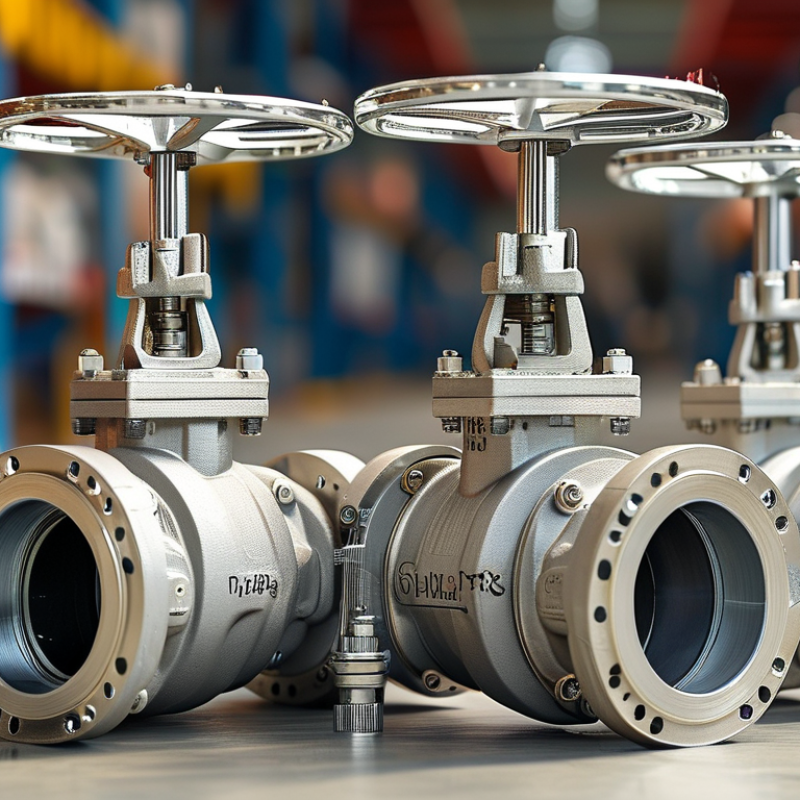
Understanding Large Size Butterfly Valves: Definition and Applications
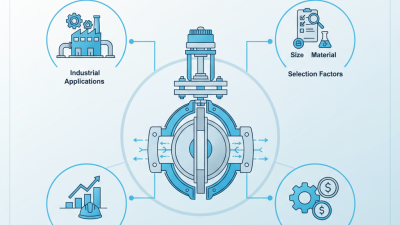
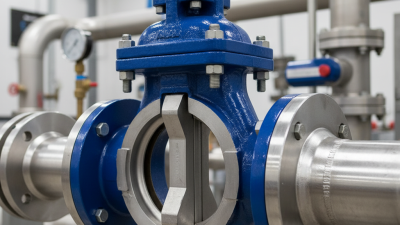
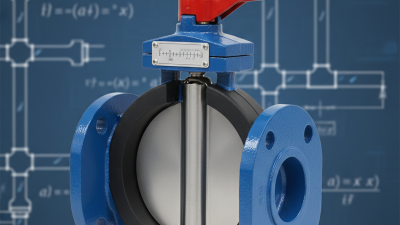
Large size butterfly valves play a crucial role in various industries, such as water treatment, oil and gas, and power generation. These valves are designed to control the flow of fluids through pipes. Their structure consists of a rotating disc, which opens or closes to regulate flow. This simple yet effective design enables them to handle large volumes while minimizing pressure loss.
In terms of applications, large size butterfly valves are essential for high-capacity systems. They are often preferred for their lightweight design and ease of installation. Industries utilize these valves for throttling and on-off control. The ability to provide tight sealing makes them ideal for diverse applications. Yet, the selection process can be complex. Buyers must consider factors like material compatibility, pressure ratings, and size specifications. The wrong choice can lead to system inefficiencies or failures.
Understanding the intricacies of large size butterfly valves often requires expertise. Buyers should consult with industry professionals to navigate the selection process. The reliability of these valves is influenced by their design and material. However, imperfections in production may still occur. Regular maintenance and inspections are vital for optimal performance. This ensures they function efficiently within various operational pressures.
Key Specifications of Large Size Butterfly Valves in Various Industries
When selecting large size butterfly valves, understanding key specifications is crucial for diverse industries. These valves are essential for managing fluids in large pipelines. The size and material directly impact performance and reliability. Common sizes range from 6 inches to over 60 inches. They can be made of metals, plastics, or composites, depending on the medium they handle.
Pressure ratings are vital. Many butterfly valves can withstand pressures from 150 to 600 psi. However, it is essential to verify specifications against operating conditions. Operating temperatures also vary based on material. Some can endure extreme heat, while others are better for cold applications. Choosing the wrong specification can lead to failures, costly repairs, and downtime.
Valve type is another critical aspect. There are different designs for various applications, like wafer and lug styles. Each design has strengths and weaknesses, impacting installation and maintenance. Often, companies overlook the importance of compatibility with existing systems. Regular maintenance schedules are also necessary to ensure longevity. Ignoring these details could lead to significant operational challenges down the line.
Material Selection for Large Size Butterfly Valves: Benefits and Challenges
Material selection for large size butterfly valves is crucial in ensuring optimal performance. Various materials, such as stainless steel, carbon steel, and plastic composites, offer unique benefits. Stainless steel provides corrosion resistance, making it ideal for harsh environments. However, its higher cost may deter some buyers. Carbon steel is economical but vulnerable to oxidation. Protecting carbon steel valves with coatings can help extend their lifespan.
Choosing the right material involves evaluating the operational environment. Temperature, pressure, and chemical exposure all play significant roles. Materials must withstand these pressures to maintain functionality. Additionally, sourcing materials can be challenging due to global supply chain issues. This complicates procurement and may lead to delays in project timelines.
On the upside, advanced materials like plastic composites can offer lightweight options. These materials reduce installation costs and enhance efficiency. However, they may not perform well in high-temperature applications. Each material presents its own set of trade-offs. Buyers need to weigh these challenges against their specific needs. Engaging with experienced suppliers can provide valuable insights in navigating these complexities.
Global Market Trends for Large Size Butterfly Valves: A Statistical Overview
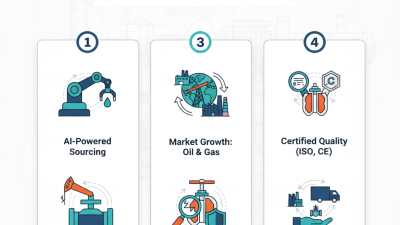
The global market for large size butterfly valves continues to evolve. This evolution is influenced by various industrial sectors. Water and wastewater management, oil and gas, and chemical processing are significant contributors to this market. The need for efficient flow control and reliable sealing is paramount in these applications.
Recent statistical data indicates a steady increase in demand. Market growth stems from infrastructure improvements and urbanization. Many regions are investing in large-scale projects that require robust valve solutions. However, challenges persist. Supply chain disruptions and fluctuating raw material prices can hinder growth. Companies must stay agile and adapt to these changes.
Furthermore, innovations in valve technology are emerging. Automation and advanced materials enhance performance and durability. Yet, not all new technologies meet expectations. Some may require lengthy adjustments and training. Companies should consider their unique needs before investing. Balancing innovation with practical application is crucial for long-term success.
Global Market Trends for Large Size Butterfly Valves
Installation and Maintenance Best Practices for Large Size Butterfly Valves
When it comes to large size butterfly valves, installation and maintenance are crucial to ensure optimal performance. Proper installation begins with a careful assessment of the pipeline and valve specifications. According to the Valve Manufacturers Association, incorrect installation can lead to a 20% increase in valve failure rates. Ensuring alignment during installation is vital. Misalignment can cause excessive wear and potential leakage.
Regular maintenance practices are essential for longevity. Inspecting seals and gaskets every few months can prevent minor issues from escalating into significant problems. The American Society of Mechanical Engineers recommends a detailed maintenance check every 1,000 hours of operation. It's important to clean the valve periodically to remove debris that could impede function. Use a soft brush rather than abrasive materials to avoid damaging surfaces.
In the realm of repairs, many overlook the importance of proper torque specifications. The right torque can prevent joint failures. Industry reports suggest that 15% of valve failures stem from improper torque application. Implementing a checklist for installation and maintenance can be beneficial. It ensures no steps are overlooked and also promotes accountability among maintenance teams. Always document any maintenance activities, as this can provide insight into recurring issues.