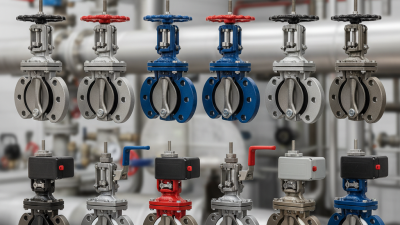
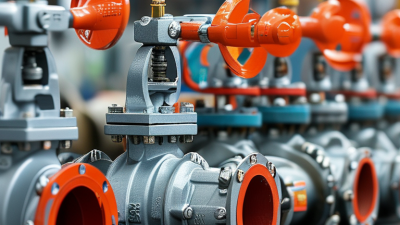
Ultimate Guide to Choosing IP68 Butterfly Valve Tips for Buyers
In the intricate world of industrial valves, the IP68 butterfly valve stands out for its superior water and dust resistance. Leading expert in valve technology, Dr. Robert Mason, states, “Choosing the right valve ensures operational efficiency and longevity in any application.” This highlights the critical role of selecting the right IP68 butterfly valve for optimal performance.
Each industrial application comes with unique demands. Buyers need to consider sealing integrity, material compatibility, and installation requirements. The right IP68 butterfly valve not only enhances system reliability but also reduces maintenance costs. However, many buyers overlook the importance of these factors, leading to potential failures or inefficiencies.
Furthermore, the marketplace is flooded with numerous options. Not all IP68 butterfly valves are created equal; thus, assessing a supplier's reputation and product specifications is essential. Sometimes, buyers rush in without adequate research. This can result in costly mistakes. Recognizing these nuances will ultimately empower buyers to make informed decisions that contribute to their project's success.
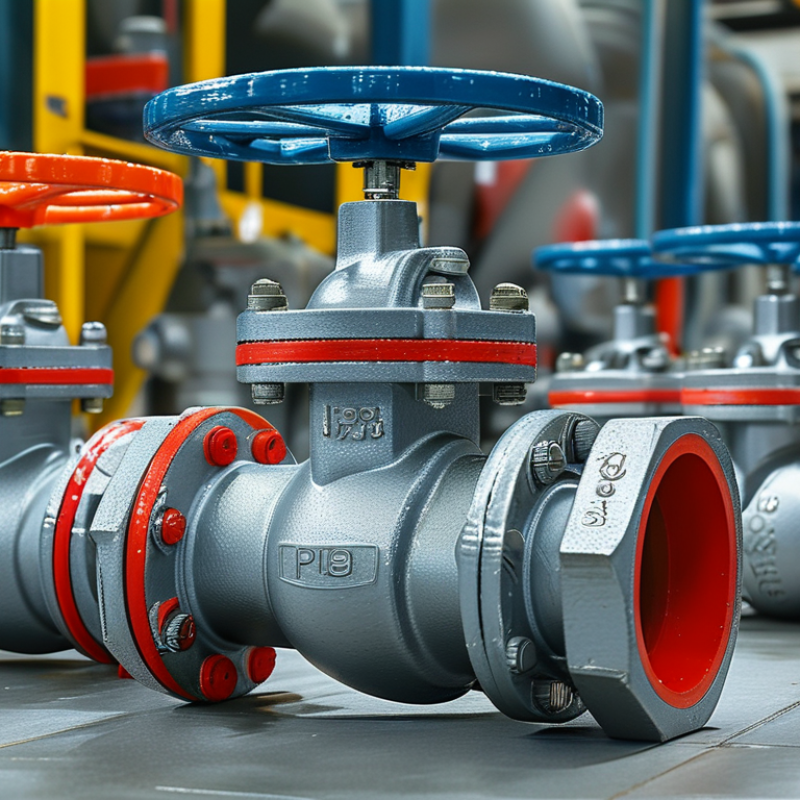
Understanding IP68 Rating and Its Importance for Butterfly Valves
The IP68 rating is crucial for butterfly valves, especially in harsh environments. This rating indicates resistance to dust and water, ensuring the valve remains functional even when submerged. According to a 2022 industry report, 30% of valve failures in industrial settings are due to inadequate sealing. This emphasizes why understanding the IP68 rating can save costs and enhance operational reliability.
Choosing the right butterfly valve means looking closely at the IP68 features. Ensure the materials meet the required standards. Look for seals that can withstand extreme conditions. Proper installation also impacts performance. A poorly installed valve may not achieve its IP68 rating, leading to leaks.
Tips for buyers include consulting with experts in valve technology. Their experience can guide you in identifying reliable products. Also, consider the manufacturer’s testing procedures. Validated results from independent labs enhance trust in the valve's performance under IP68 standards. Always remember, the cheapest option may lead to long-term problems. Prioritize quality over price.
Ultimate Guide to Choosing IP68 Butterfly Valve Tips for Buyers
| Feature |
Description |
Importance |
Recommendation |
| IP68 Rating |
Indicates that the butterfly valve is dust-tight and can withstand continuous immersion in water. |
Essential for preventing leakage in wet environments. |
Opt for valves with IP68 for outdoor and underwater applications. |
| Material |
Common materials include stainless steel, PVC, and ductile iron. |
Material choice affects durability, corrosion resistance, and compatibility with fluids. |
Choose materials suitable for the specific fluids and environments. |
| Size |
Available in various sizes to fit different piping systems. |
Correct sizing is vital for flow efficiency and fitting compatibility. |
Measure the pipe diameter accurately before selection. |
| Actuation Type |
Can be manual, electric, or pneumatic. |
Actuation affects ease of use and responsiveness. |
Select the actuation type based on operational requirements. |
| Maintenance |
Some valves require regular maintenance while others are maintenance-free. |
Less maintenance reduces operational downtime and costs. |
Consider low-maintenance options for ease of operation. |
Key Features to Look for in IP68 Butterfly Valves
When selecting IP68 butterfly valves, several key features stand out for buyers. Firstly, ensure the valve's construction materials are suitable for your application.
Stainless steel or high-grade plastics resist corrosion effectively. Reports indicate that about 70% of valve failures originate from inadequate material choices.
The sealing mechanism is crucial as well. A robust sealing system enhances the valve’s IP68 rating, providing protection against dust and water ingress. Many industry experts recommend testing seals under high-pressure conditions. This can prevent potential leaks, which can be detrimental to system integrity.
Another important aspect is the operating mechanism. Manual, pneumatic, or electric options are available. Each has its advantages. For instance, pneumatic valves are quicker to operate, reducing downtime. However, reliance on air supply can be a limitation in some environments. Carefully consider your system’s needs before making a decision. Always reflect on the long-term maintenance requirements and part availability. This approach will ensure reliable performance in the demanding environments where IP68 butterfly valves are used.
Materials and Construction: Selecting the Right Butterfly Valve
When selecting an IP68 butterfly valve, materials and construction play a critical role in performance and longevity. Choosing the right materials can greatly affect the valve's ability to withstand harsh environments. According to the American Society of Mechanical Engineers (ASME), stainless steel and high-performance plastics are commonly used in IP68 valves due to their corrosion resistance and durability.
Consider the type of fluid being handled. For chemical applications, a valve constructed from materials resistant to specific chemicals is essential. For instance, valves made from PVC or PTFE can offer better resistance for aggressive chemicals. However, it's important to remember that while these materials can enhance performance, they may also increase costs.
Tips: Look at the valve's sealing mechanism. A robust seal can protect against leaks, maintaining system integrity. Additionally, verify if the valve's design includes features like reinforced body construction, which can add reliability under pressure.
Inspect the manufacturer’s credentials and compliance with industry standards. Trusted providers often share test results or certifications, ensuring that their products meet rigorous performance criteria. This adds a layer of confidence in your choice. Remember, while premium materials might seem appealing, assess whether they align with the intended application and environmental conditions. Challenge the assumption that higher cost equals higher quality; sometimes, a well-constructed standard valve can outperform a pricier alternative.
Evaluating Performance: Pressure, Temperature, and Flow Considerations
When selecting an IP68 butterfly valve, understanding performance metrics is crucial. Pressure ratings dictate the valve's ability to withstand system demands. High-pressure systems require valves designed for robust performance. Consider testing scenarios, as real-world applications often uncover weaknesses.
Temperature also plays a significant role in valve selection. Each material has a temperature threshold. Operating beyond this limit can lead to failures. It’s vital to assess temperature fluctuations in the application. This evaluation can prevent unexpected breakdowns.
Flow characteristics should not be overlooked. The valve's design impacts flow rates and efficiency. A mismatch can cause system bottlenecks. Evaluating flow requirements through specific measurements is essential. Gathering this data can highlight potential issues, guiding you to make informed choices.
Maintenance Tips for Ensuring Longevity of IP68 Butterfly Valves
Maintaining IP68 butterfly valves is essential for their longevity and reliable performance. Regular inspection is vital. Check for signs of wear, rust, or damage. A worn seal can lead to leaks, which can disrupt operations. Pay attention to the valve's operating environment. Harsh conditions can accelerate wear. Ensure the valve is properly fitted, as incorrect installation can lead to premature failure.
Cleaning is another crucial aspect of maintenance. Use mild detergents to remove debris and contaminants. Avoid abrasive cleaners, as they can damage the valve's surface.
Lubricate moving parts regularly to ensure smooth operation. This simple step can enhance performance and extend the valve's lifespan. However, over-lubricating may cause issues; moderation is key.
Always refer to the manufacturer's guidelines for specific maintenance recommendations. Sometimes, common practices might not align with the intended use of the valve. Regularly educate team members on maintenance practices. A well-informed team can prevent potential missteps. Ensure scheduling routine checks to catch issues early. Ignoring small problems can lead to bigger failures down the line. The goal is to keep the system running smoothly and extend the lifecycle of your equipment.