What is En593 Butterfly Valve and its Applications in Industry?
The En593 Butterfly Valve is a fundamental component in various industrial applications. Expert John Smith, a valve technology specialist, stated, "The En593 Butterfly Valve is crucial for effective flow control." This emphasizes its importance across multiple sectors, such as water treatment, oil and gas, and chemical processing.
The En593 Butterfly Valve is recognized for its reliability and efficiency. Manufacturers design these valves to streamline operations, allowing for quick adjustments in flow direction and pressure settings. Their lightweight construction and robust materials make them suitable for both high and low-pressure systems.
However, it's essential to acknowledge that not every situation calls for an En593 Butterfly Valve. In some cases, installing these valves may present challenges, such as compatibility or maintenance issues. Thus, industry professionals must carefully consider their applications. Even experienced engineers may face unexpected difficulties when implementing these valves. Hence, a thorough understanding of the En593 Butterfly Valve is vital for achieving the best outcomes in industrial settings.
What is an En593 Butterfly Valve?
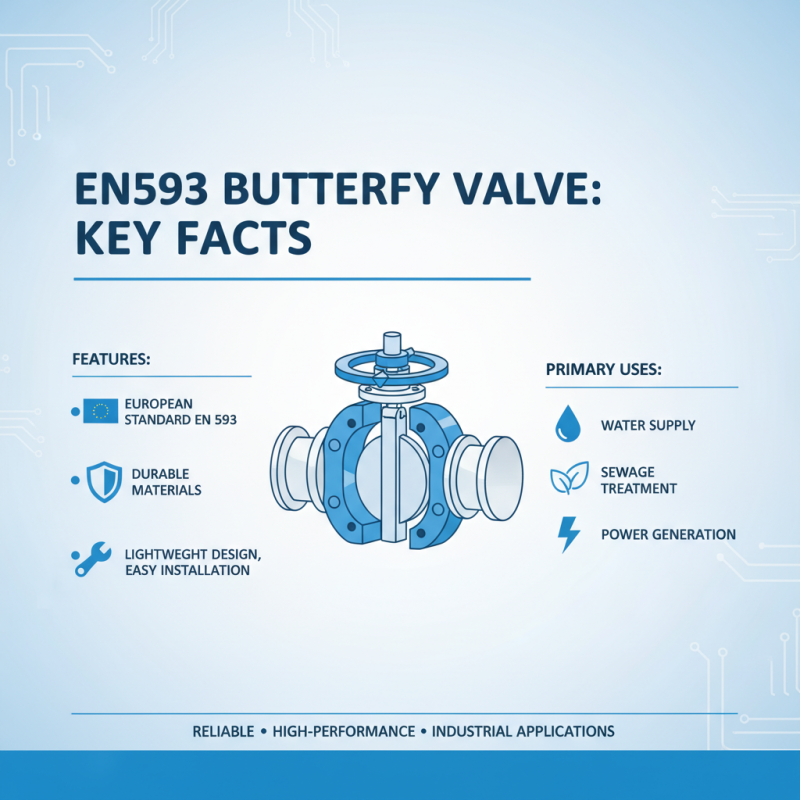
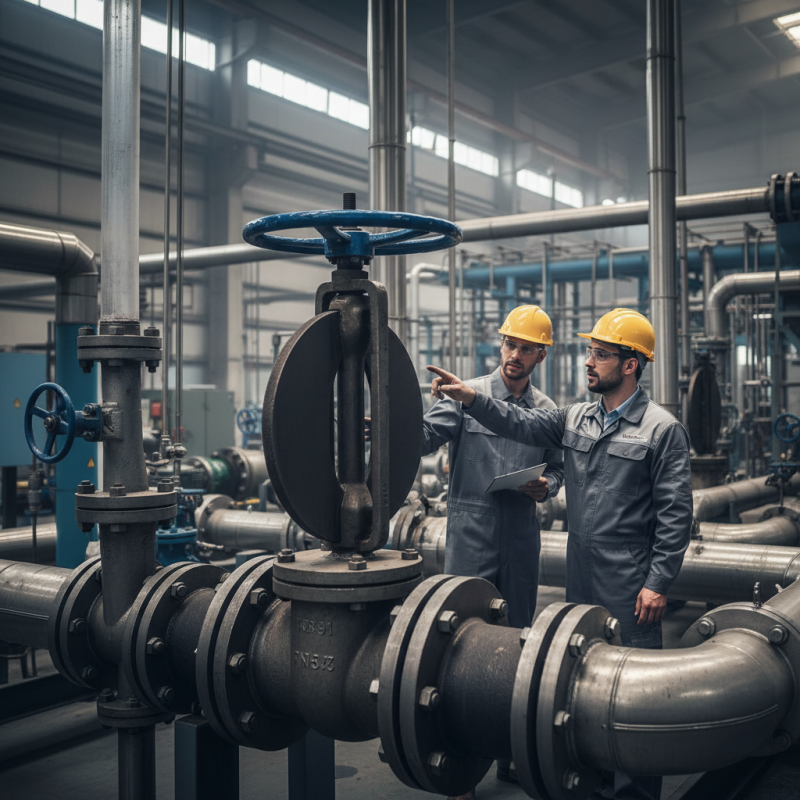
The EN593 butterfly valve is a critical component widely used in various industries. This valve type is designed according to the European standard EN 593, ensuring high performance and reliability in different applications. Primarily, it is employed in water supply, sewage treatment, and power generation. Its lightweight design makes installation easier, while its durable materials withstand harsh conditions.
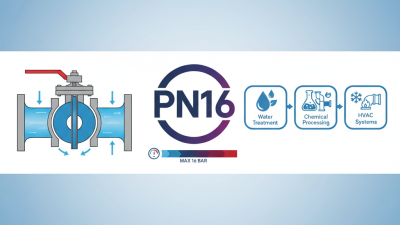
Data from industry reports reveal that the global butterfly valve market is projected to grow at a CAGR of 5.6% from 2021 to 2027. This growth indicates a rising demand for efficient flow control solutions. The EN593 butterfly valve's versatile use makes it suitable for high-pressure and temperature applications. For example, it can handle pressures up to 16 bar and temperatures up to 200°C.
In practice, issues may arise with sealing performance over time, especially in extreme conditions. Regular maintenance is crucial to ensure the valve operates effectively. Additionally, the valve’s design can sometimes lead to cavitation, affecting efficiency. These challenges highlight the need for ongoing training for maintenance personnel. Proper education helps address these imperfections and improve operational reliability in critical processes.
Key Features and Specifications of En593 Butterfly Valves
The EN593 butterfly valve is a pivotal component in various industrial applications.
It features a robust design, allowing for efficient throttling and isolation of flows in piping systems. One of its key specifications includes a
compact structure, making it suitable for tight spaces and high-pressure environments.
Another important feature is the use of durable materials, like stainless steel, which enhance
corrosion resistance and longevity.
According to a recent industry report, the global butterfly valve market is expected to grow by 4.5%
annually, driven by rising demands in sectors like water treatment and chemical processing. The EN593 standard ensures that these valves comply with
international specifications, providing reliability for critical operations. Furthermore, the butterfly valve's
simplicity in design leads to lower maintenance costs, but it can pose challenges in achieving perfect sealing
at high pressures.
Usage of EN593 butterfly valves spans across industries, from oil and gas to HVAC systems. Their ability to control flow efficiently enhances
operational safety and productivity. However, improper installation or maintenance may lead to
performance issues. Therefore, industry professionals must prioritize regular inspections and adherence to guidelines to maximize efficiency and durability.
Common Applications of En593 Butterfly Valves in Various Industries
EN593 butterfly valves are versatile components widely used in various industries. These valves control the flow of fluids with precision. Their design allows for quick operation, making them ideal for fast-acting applications.
In the water and wastewater sector, EN593 butterfly valves manage the flow of clean water and effluent. They withstand high pressures and can automatically adjust depending on the system's requirements.
In the chemical industry, these valves work with corrosive substances. Their robust materials offer necessary resistance.
Additionally, HVAC systems utilize EN593 butterfly valves for air and fluid control. However, maintenance can be challenging. Regular inspections are crucial to ensure reliability. Sometimes, improper installation leads to performance issues. Users must stay vigilant about these factors to ensure optimal operation.
Advantages of Using En593 Butterfly Valves Over Other Valve Types
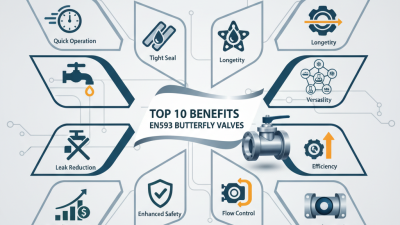
En593 butterfly valves are gaining popularity in various industries for their efficiency and reliability. One compelling advantage is their compact design. This allows for easier installation in confined spaces. Their lightweight structure also makes handling simpler. Such factors contribute to lower overall operational costs.
Another significant benefit is the quick operation feature. En593 butterfly valves can open or close with a 90-degree rotation. This rapid action reduces the time needed for fluid regulation. Moreover, they provide excellent flow control. The design minimizes turbulent flow and pressure drop, enhancing system performance.
Durability is another plus. These valves are resistant to corrosion, which can extend their lifespan. However, they may still experience wear in harsh environments. Regular maintenance is essential to uphold their performance. Considering all these elements, it is clear why many industries prefer En593 butterfly valves. They offer a mix of efficiency and economy that is hard to match.
Maintenance and Operating Guidelines for En593 Butterfly Valves
Regular maintenance of EN593 butterfly valves is crucial for ensuring operational efficiency. These valves need to be inspected periodically for wear and tear. Gaskets and seals can degrade over time, leading to leaks. It’s essential to check the seating surfaces for scratches and corrosion. Cleaning is also vital; debris can hinder valve function, affecting flow control.
Operators should be aware of the valve's specific operating conditions. Extreme temperatures or pressures can impact performance. Valves must be cycled regularly to prevent sticking. Proper lubrication of moving parts extends their lifespan. Operators should document any issues encountered during operation. Keeping a detailed maintenance log helps identify recurring problems.
Training for staff operating these valves is also essential. Lack of knowledge can lead to mishandling and damage. Ensuring that everyone understands the guidelines increases safety and efficiency. Troubleshooting should be straightforward, but it requires a keen eye. Regular review of maintenance practices can reveal areas for improvement. This iterative process is vital for long-term reliability.