Why Choose Ductile Iron Butterfly Valve for Your Projects?
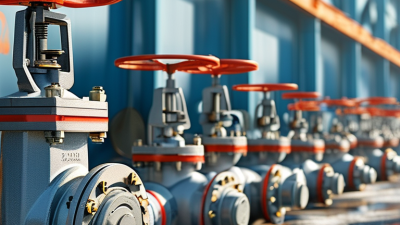
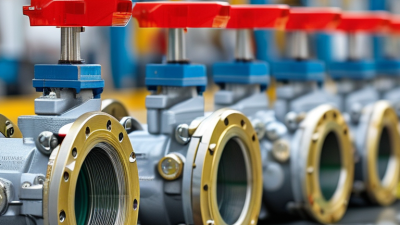
In the diverse world of industrial valves, the **Ductile Iron Butterfly Valve** stands out for its unique advantages. This type of valve is known for its durability and high performance under pressure. Made from ductile iron, it provides a combination of strength and lightweight properties, making it suitable for various applications.
Engineers often face daunting challenges in choosing the right valve type. The importance of reliability and efficiency is paramount. A **Ductile Iron Butterfly Valve** not only offers excellent sealing capabilities but also reduces energy consumption significantly. This can lead to long-term savings for projects.
However, there are considerations to make when selecting this valve. Factors like design standards, operating conditions, and maintenance need reflection. Understanding these aspects ensures a more informed decision. Ultimately, the choice of a **Ductile Iron Butterfly Valve** can greatly impact project success and operational efficiency.
Advantages of Ductile Iron Material in Butterfly Valves
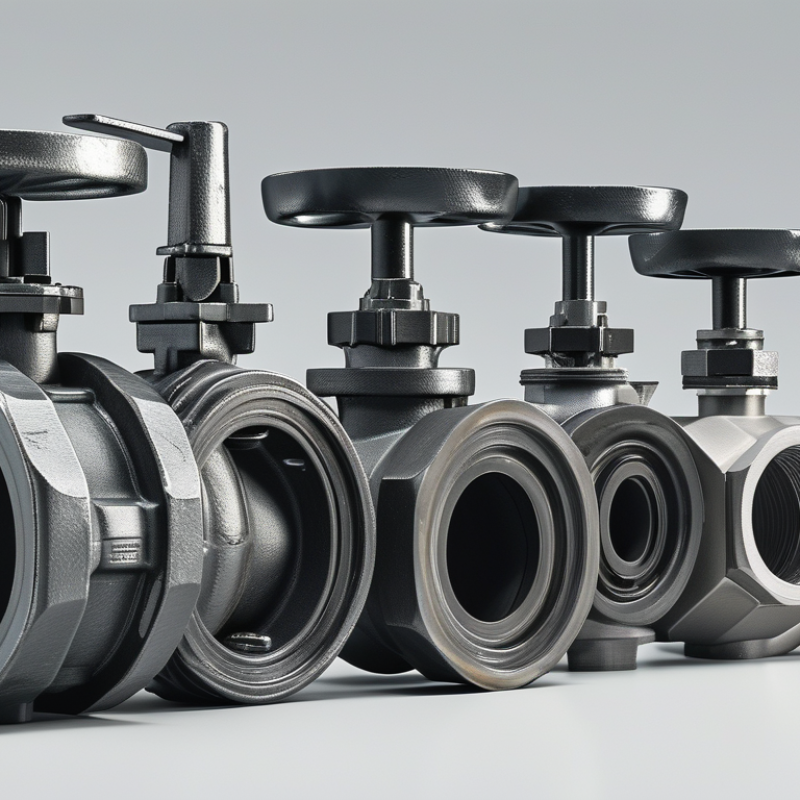
Ductile iron has become a preferred choice for butterfly valves in various applications. Its excellent tensile strength and ductility allow for greater performance under pressure. According to a report by the American Society of Mechanical Engineers (ASME), ductile iron can withstand stress levels significantly higher than traditional gray iron, making it suitable for demanding environments.
The versatility of ductile iron proves beneficial in various industries. For instance, in water treatment facilities, ductile iron valves can perform well in high-flow applications. A study by the International Water Association (IWA) indicated that systems using ductile iron components saw a 30% increase in operational lifespan. This directly translates to reduced maintenance costs and fewer system failures.
However, despite these advantages, some considerations remain. Ductile iron's weight can complicate installation in certain settings. Additionally, while corrosion resistance is notable, proper coatings are necessary for prolonged exposure to harsh environments. These factors require careful planning during project execution. Balancing the strengths and weaknesses of ductile iron will enhance overall valve performance and reliability.
Considerations for Ductile Iron Butterfly Valve Selection
When selecting a ductile iron butterfly valve, there are several critical factors to consider. Ductile iron offers a unique combination of strength and flexibility, making it ideal for various applications. Its high tensile strength helps withstand high pressure, reducing the risk of system failures. Additionally, the material's corrosion resistance enhances its longevity, minimizing maintenance needs over time.
Another important aspect is the valve's size and shape. Ensuring the correct dimensions for your project can prevent flow restrictions and leaks. The design should align with the specific pipeline layout and operational requirements. A mismatched valve could lead to inefficiencies or increased operational costs, which is a common oversight.
Finally, examining the valve’s sealing mechanism is essential. A proper seal ensures no leakage occurs during operation, impacting overall system performance. Users often overlook this detail, leading to potential failures. Therefore, taking the time to analyze these features ensures a reliable solution that meets the demands of your project.
Applications of Ductile Iron Butterfly Valves in Various Industries
Ductile iron butterfly valves play a significant role in many industries. Their strength and durability make them ideal for handling various fluids. This includes water treatment facilities, where they control the flow effectively. In chemical processing, these valves withstand harsh chemicals, ensuring safety and reliability.
These valves are also essential in HVAC systems. They provide efficient regulation in air and water flow, optimizing energy use. In mining, they manage slurry transport, which can be abrasive. However, installation can be tricky. Misalignment may occur, leading to leaks. Regular maintenance is important to ensure they function properly.
In agriculture, these valves manage irrigation systems, offering precise control over water delivery. While they are versatile, they may not be suitable for every application. Factors like pressure and temperature must be considered. Careful selection and expertise are crucial for ensuring successful integration into projects.
Why Choose Ductile Iron Butterfly Valve for Your Projects? - Applications of Ductile Iron Butterfly Valves in Various Industries
| Industry |
Application |
Temperature Range (°C) |
Pressure Rating (psi) |
Advantages |
| Water Treatment |
Flow Control |
-10 to 80 |
150 |
Corrosion resistant, easy operation |
| Oil & Gas |
Isolation |
-5 to 95 |
300 |
High strength, reliable sealing |
| Chemical Industry |
Chemical Transport |
-20 to 100 |
250 |
Versatile material compatibility |
| HVAC |
Air Control |
0 to 50 |
200 |
Low noise, lightweight |
| Mining |
Slurry Handling |
-10 to 70 |
350 |
Durable under extreme conditions |
Maintenance and Longevity of Ductile Iron Butterfly Valves
Ductile iron butterfly valves are known for their durability and effectiveness in various applications. Their maintenance is straightforward, which contributes to their longevity. Regular checks can prevent serious issues. It's crucial to inspect seals and bearings periodically. The expected lifespan of these valves can exceed 30 years with proper care.
According to a report by the American Water Works Association, improper maintenance is a common reason for valve failures. Regular upkeep can minimize operational costs. Best practices suggest a thorough inspection every five years. Even minor wear doesn’t always indicate a need for replacement. Identification of small issues allows for timely repairs, extending overall service life.
Though ductile iron offers great resistance to corrosion, challenges remain. In aggressive environments, protective coatings may be necessary. Understanding the specific conditions of your project is key. In some instances, factors like temperature and pressure fluctuations can impact performance. Awareness of these variables is essential for maximizing the lifespan of ductile iron butterfly valves.
Comparing Ductile Iron Butterfly Valves with Other Valve Types
Ductile iron butterfly valves stand out for their strength and durability. Compared to traditional cast iron valves, ductile iron offers better tensile strength and impact resistance. This makes them ideal for applications with high pressure and temperature fluctuations. In projects that require long-term reliability, ductile iron valves prove their worth.
Mechanical components like these valves must operate smoothly. Some other valve types, like PVC or bronze, may not handle extreme conditions as well. They often wear down faster under harsh environments. While lighter materials are easier to handle, they may not endure prolonged use. Ductile iron valves, however, exhibit excellent corrosion resistance, enhancing their longevity.
It’s crucial to consider installation and maintenance. Ductile iron valves can be more straightforward to install compared to complex valve types. But, they can be heavier, presenting challenges during handling. A professional installation team can mitigate these issues. Reflections on maintenance reveal that while ductile iron needs periodic checks, its overall reliability often outweighs other options. Choosing the right valve ultimately depends on specific project needs.