How to Choose the Right Rubber Lined Butterfly Valve for Your Needs?
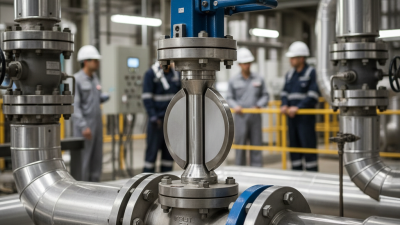
Selecting the appropriate Rubber Lined Butterfly Valve requires careful consideration of specific needs and applications. The market for these valves has significantly grown, with industry reports highlighting a projected CAGR of 5.1% from 2021 to 2026. This growth reflects their crucial role in fluid control systems across various sectors, including water treatment and chemical processing.
Industry expert Dr. Helen Graf states, “The efficiency and reliability of a Rubber Lined Butterfly Valve are essential for optimal system performance.” Her insights emphasize the importance of choosing the right materials and specifications. Users must assess factors such as pressure ratings, fluid type, and environmental conditions.
However, making the right choice isn't always straightforward. Variability in manufacturing standards can lead to confusion. Additionally, the wide variety of valve sizes and designs necessitates profound knowledge of application requirements. Understanding these complexities is vital in ensuring the selection of an optimal Rubber Lined Butterfly Valve for specific operational demands.
Understanding the Basics of Rubber Lined Butterfly Valves
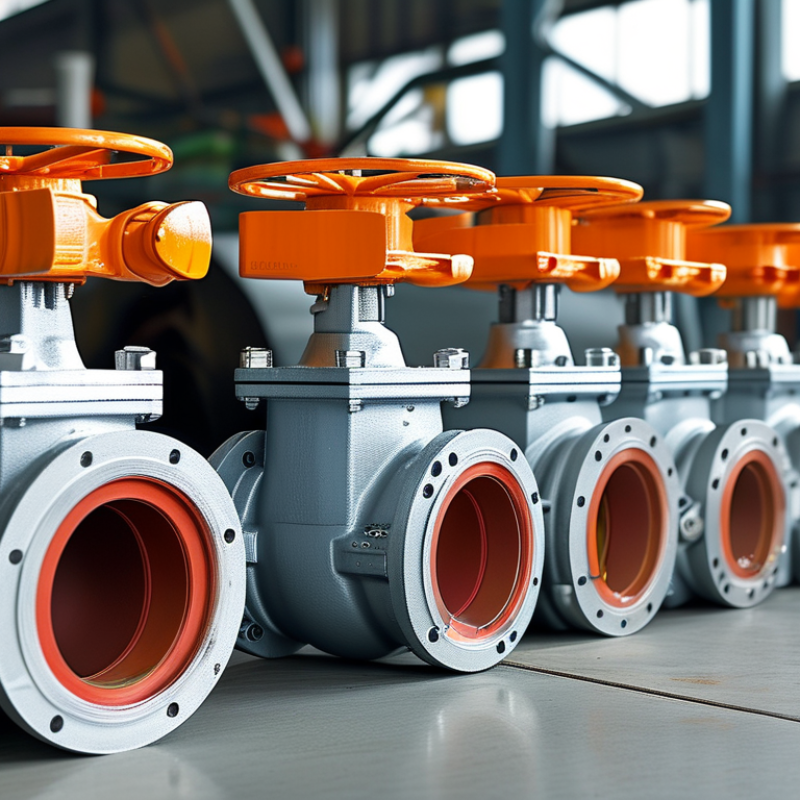
Rubber lined butterfly valves are essential in many industrial processes. They provide effective control of flow and reduce the risk of leaks. According to a report from the Flow Control Industry, over 30% of fluid handling failures result from poor valve selection. Understanding the basics of these valves is crucial to avoid costly downtimes.
The lining material typically consists of EPDM or neoprene. These materials offer excellent corrosion and abrasion resistance. However, improper selection can lead to premature wear. Recent studies indicate that nearly 20% of users face challenges due to mismatched linings. This can hinder performance and increase maintenance costs. Therefore, knowing the operational environment is vital.
Sizing the valve is another key aspect. Too large or too small can lead to inefficiencies. Data shows that a well-sized valve can improve flow efficiency by as much as 15%. Many users overlook this, resulting in unanticipated issues. It’s also important to consider the temperature and pressure ratings of the valve. These factors influence the lifespan and reliability of the valve over time.
Rubber Lined Butterfly Valve Performance Comparison
Evaluating the Key Applications for Rubber Lined Butterfly Valves
When evaluating the key applications for rubber lined butterfly valves, several factors come into play. These valves are essential in various industries, including water treatment, food processing, and chemical manufacturing. The rubber lining provides excellent resistance to corrosion and wear, making them ideal for handling a variety of fluids. In wastewater treatment, for example, these valves help manage sediment and prevent clogging, ensuring efficient operation.
In food processing, rubber lined valves are vital for maintaining hygiene and preventing contamination. They can handle viscous liquids and solids without leaking. However, it’s important to consider the specific type of rubber used. Not all rubber linings are suitable for food applications. Conduct thorough research on the materials and certifications required for safe use.
Despite the advantages, there are limitations to consider. Over time, the rubber lining may degrade due to extreme temperatures or chemicals. Regular inspections are necessary to ensure optimal performance. Additionally, improper installation can lead to leaks and operational issues. Understanding these factors is key to making an informed decision about the right valve for your needs.
Factors to Consider When Selecting Material for Rubber Linings
When selecting rubber linings for butterfly valves, material choice is vital. Different applications require specific rubber types. Consider factors like temperature, pressure, and chemical exposure. EPDM, for instance, is suited for water applications. Nitrile rubber is excellent for oil-based fluids. Each material has unique properties that influence performance.
Tips: Always assess the media you’ll handle. Understand the compatibility of the rubber with your specific fluids. Perform tests if possible. This can prevent failures down the line.
Think about the environment. In some cases, UV exposure can degrade certain rubbers. For outdoor applications, choosing a UV-resistant lining is crucial. This ensures longevity and reliability.
Tips: Research the manufacturer’s specifications. Proper certifications can indicate quality and reliability. Assessing past performance can offer insights too. Don't settle for the first option; explore alternatives and learn from previous choices. Making the right selection will enhance performance and reduce maintenance needs.
Identifying the Right Size and Configuration for Your System
When selecting a rubber lined butterfly valve, size and configuration play crucial roles. Start by assessing your system's requirements. Measure the diameter of the pipes carefully. If the valve is too large, it may hinder flow. A valve that's too small can lead to pressure drops. Each detail matters when working with fluids in your system.
Consider the medium these valves will handle. Are you dealing with corrosive substances? Ensure the rubber lining is suitable for that use. The valve's configuration should match your piping layout. A standard setup may not suit specific applications. Also, reflect on space constraints; a compact design may be necessary in tight areas.
Consult industry standards for guidance. Often, best practices can indicate the right choices. Keep in mind that every system is unique. What works for one may not work for another. This challenge demands thorough research and sometimes, a bit of trial and error. The importance of proper feedback systems can't be overstated. Gather insights from operators and make improvements where needed.
Maintenance and Longevity Considerations for Your Valve Choice
When selecting a rubber lined butterfly valve, maintenance and longevity are key factors. A valve's lifespan can be significantly influenced by the conditions it operates under. Regular inspections can help identify wear and tear early. Look for signs of corrosion or material degradation. These issues can lead to failures if ignored.
Tips: Perform routine checks on the seals and lining. Keeping the valve clean can extend its life. Additionally, monitor the operating pressure. Operating outside of recommended levels can cause premature failure.
Selecting a robust and reliable valve is important. However, choosing the right material for your lining is equally vital. Different applications may require specific rubber compounds. Understanding the material compatibility with the fluids being handled is crucial. For instance, some liquids may cause deterioration, while others will not.
Tips: Consult material data sheets for your valves. Regularly review and assess your valve performance. Adjusting maintenance schedules based on usage can also be helpful. Longevity is often tied to proactive measures. Adaptation to changing conditions can make all the difference.