How to Choose a Large Size Butterfly Valve at the 139th Canton Fair?
The 139th Canton Fair presents a unique opportunity to explore large size butterfly valves, a crucial component in various industries. Experts in the field emphasize the significance of selecting the right valve to enhance operational efficiency. Dr. James Li, a prominent specialist in valve technology, stated, "Choosing a large size butterfly valve is pivotal for ensuring effective flow control." His insights reflect the need for informed purchasing decisions.
In the context of the upcoming Canton Fair, attendees will benefit from innovative features like AI-driven vendor selection. This technology allows buyers to identify suppliers that meet specific certifications, such as ISO and CE standards. As industries increasingly demand quality and compliance, the relevance of large size butterfly valves is elevated.
Industry reports indicate a surge in demand for reliable flow control solutions. However, many buyers still overlook crucial specifications, which can lead to inefficiencies. The 155 million square feet of exhibition space will showcase the latest advancements, but navigating this space effectively is essential. Relying solely on price may result in regrettable choices. Therefore, understanding product nuances is key to making sound investments in large size butterfly valves.
Understanding Butterfly Valves: Types and Applications
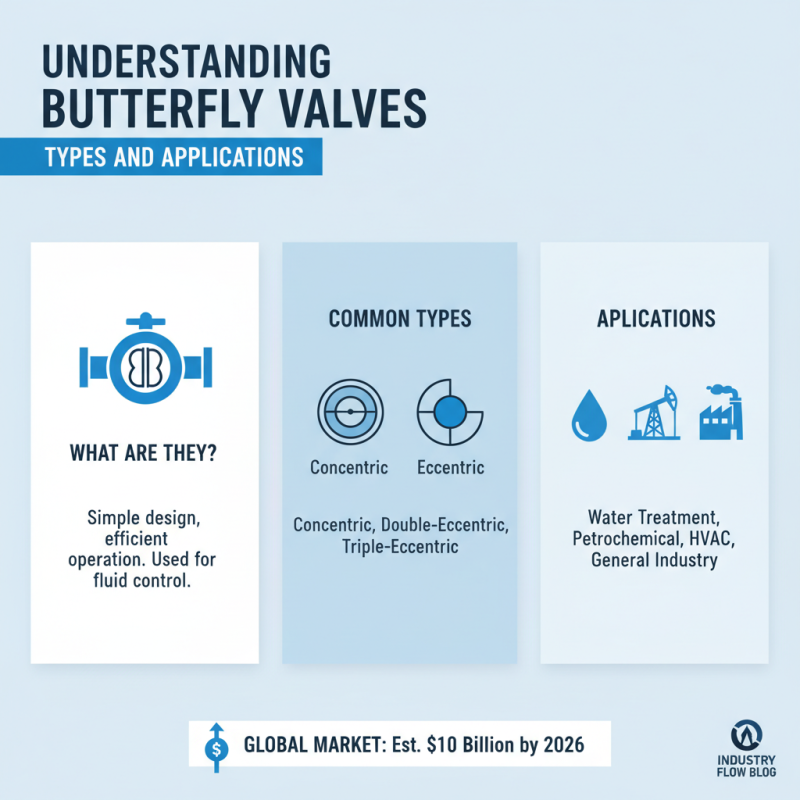
When selecting a large size butterfly valve, understanding the types and applications is crucial. Butterfly valves are widely used in various industries, from water treatment to petrochemical applications. They are appreciated for their simple design and efficient operation. According to industry reports, the global butterfly valve market is expected to grow significantly, reaching approximately $10 billion by 2026.
There are two main types of butterfly valves: concentric and eccentric. Concentric valves are often used in low-pressure applications. They operate efficiently and are cost-effective. Eccentric valves, on the other hand, are designed for high-pressure situations. They provide superior sealing capabilities. Choosing the right type depends not only on your system’s pressure but also on the medium you are working with.
Tip: Consider the material of the valve. Different materials offer varying levels of corrosion resistance and durability.
It's vital to also assess the valve size. Oversized valves can lead to inefficient flow control. Conversely, undersized valves may not handle the required capacity. Do thorough calculations to ensure proper fit. It’s also wise to consult with industry experts before finalizing your choice. The right butterfly valve can improve system performance and prevent costly downtime later on.
Key Specifications to Consider for Large Size Butterfly Valves
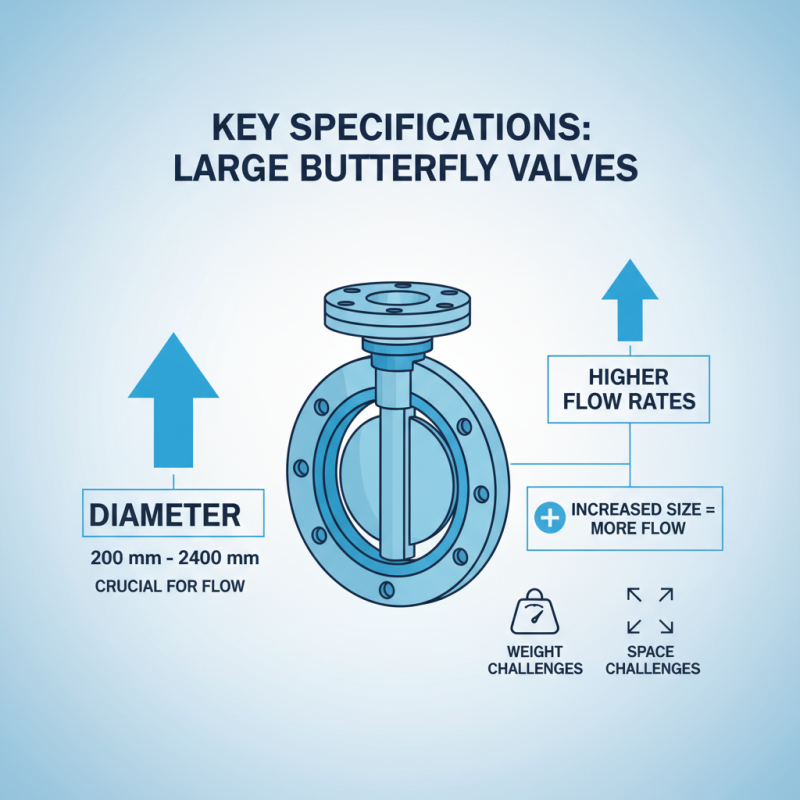
When choosing a large size butterfly valve, key specifications can influence performance. The valve's diameter is crucial. A common choice ranges from 200 mm to 2400 mm. Larger valves can handle higher flow rates. However, increased size may lead to weight and space challenges.
Consider the valve's pressure rating, often expressed in psi. A rating of 150 psi to 300 psi is typical for industrial valves. Proper sealing materials play a vital role. Materials like EPDM and Viton are known for their durability. They can withstand varying temperatures and chemical exposures.
Tips: Always check compatibility with your system's media. Misalignment can cause leaks and operational failures.
Another important aspect is the design. Wafer-style valves are lightweight, yet flanged options may provide better stability. The choice depends on installation requirements. Lastly, assess your budget and available suppliers. Some valves may look similar but can vary significantly in quality.
Tips: Don’t compromise on long-term warranties. They often indicate the manufacturer's confidence in product durability. Analyzing these specifications ensures you make the right choice at the fair.
Industry Trends and Innovations in Butterfly Valve Design
The design of butterfly valves has evolved significantly over recent years. Modern valves feature improvements in efficiency and durability. Lightweight materials are now a key trend. Engineers are focusing on reducing operational costs while maintaining quality.
Tips: When choosing a butterfly valve, pay attention to material selection. The right material can enhance performance and longevity. Also, consider the valve size. A valve that is too large or too small can lead to inefficient operation.
Innovations also include enhanced sealing technologies. This ensures better leakage control and overall reliability. Many manufacturers are adopting smart technologies as well. These features allow for remote monitoring and management of valves. Flaws in historical designs are being addressed through these innovations.
Tips: Look for valves with advanced sealing features. They often offer better performance. Don’t overlook the importance of maintenance access. It can save time and effort in the long run.
How to Choose a Large Size Butterfly Valve at the 139th Canton Fair? - Industry Trends and Innovations in Butterfly Valve Design
| Dimension |
Material |
End Connection Type |
Pressure Rating |
Special Features |
| DN 200 |
Ductile Iron |
Flanged |
PN 10 |
Lining Options Available |
| DN 250 |
Stainless Steel |
Wafer |
PN 16 |
Corrosion Resistant |
| DN 300 |
Cast Iron |
Socket Weld |
PN 25 |
Fire Safe Design |
| DN 400 |
Carbon Steel |
Butt Weld |
PN 40 |
Electric Actuation |
Evaluating Manufacturers: Quality Standards and Certifications
When attending the 139th Canton Fair, choosing a large size butterfly valve requires careful evaluation of manufacturers. Quality standards and certifications play a crucial role. Start by looking for ISO certifications. These indicate the supplier meets international quality management standards. It’s a good sign, but not the only factor to consider.
Check the manufacturing processes. Are they transparent? A reliable manufacturer should be willing to share details. Visit their booth and ask about their production methods. Production quality greatly affects valve performance. Don't hesitate to request product samples for testing. It's vital to verify that they meet your specifications.
Sometimes, manufacturers may not fully disclose weaknesses in their products. Pay attention to customer feedback. Look for reviews and ratings from past clients. These insights can provide surprising information about reliability. A thoughtful choice involves seeking balance. Assessing quality while finding value can be challenging.
Tips for Successful Sourcing at the Canton Fair for Valves
Sourcing valves at the 139th Canton Fair can be daunting. With over 25,000 exhibitors, finding the right large size butterfly valve requires a strategic approach. Over 70% of sourcing success comes from effective communication. Make sure to prepare detailed specifications. Understand the technical aspects, like pressure ratings and materials, as these can vary significantly.
Industry reports show that the global butterfly valve market is projected to grow at a CAGR of 5.6%. This growth is driven by water treatment and oil and gas sectors. Engaging directly with manufacturers can yield better insights. Ask for product certifications and performance test results. However, some suppliers may not provide adequate documentation. This could lead to quality issues down the line.
Be wary of pricing discrepancies. Some quotes may seem attractive but might lack durability. Clarify delivery timelines and warranty terms. Did you know that 40% of sourcing mistakes arise from inadequate due diligence? It's crucial to do your research. Not every supplier will meet international standards. Assess your options thoroughly before making any commitments.