Why Choose Ggg40 Butterfly Valve for Your Projects?
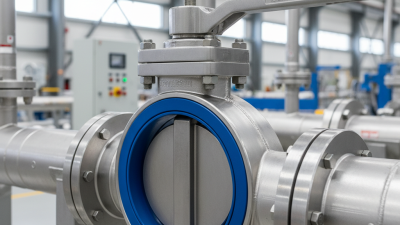
The Ggg40 Butterfly Valve stands out in various industrial applications due to its unique design and reliable performance. According to a recent industry report, the global valve market is expected to grow significantly, reaching over $100 billion by 2026. This growth is driven by an increasing demand for efficient fluid control systems. In this context, the Ggg40 Butterfly Valve offers a cost-effective and durable solution for various projects.
Engineered for optimal flow control, the Ggg40 Butterfly Valve provides significant advantages in terms of weight and space-saving design. It is particularly suitable for handling water, gas, and other fluids. The valve’s lightweight construction facilitates easier transportation and installation, making it a preferred choice among engineers. However, some professionals note that careful flow calculations are essential to maximize its benefits.
While the Ggg40 Butterfly Valve is praised for its efficiency, users must be aware of its limitations. For high-pressure systems, alternative solutions may be necessary. Recognizing these factors ensures an informed choice that aligns with project requirements. Ultimately, the Ggg40 Butterfly Valve remains a valuable asset for those seeking reliability and efficiency in fluid control solutions.
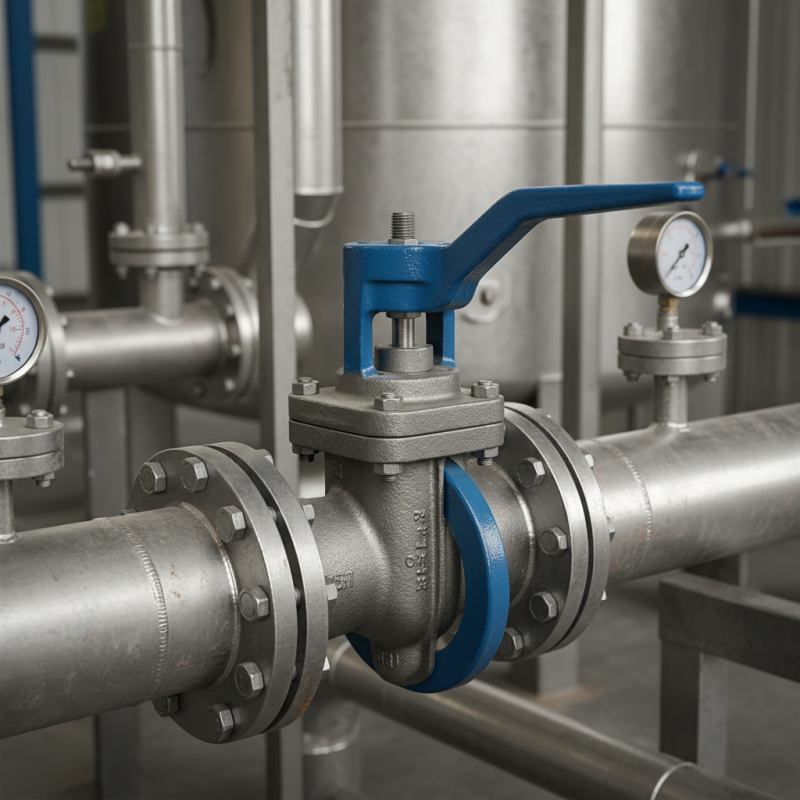
Advantages of Ggg40 Butterfly Valve in Fluid Control Applications
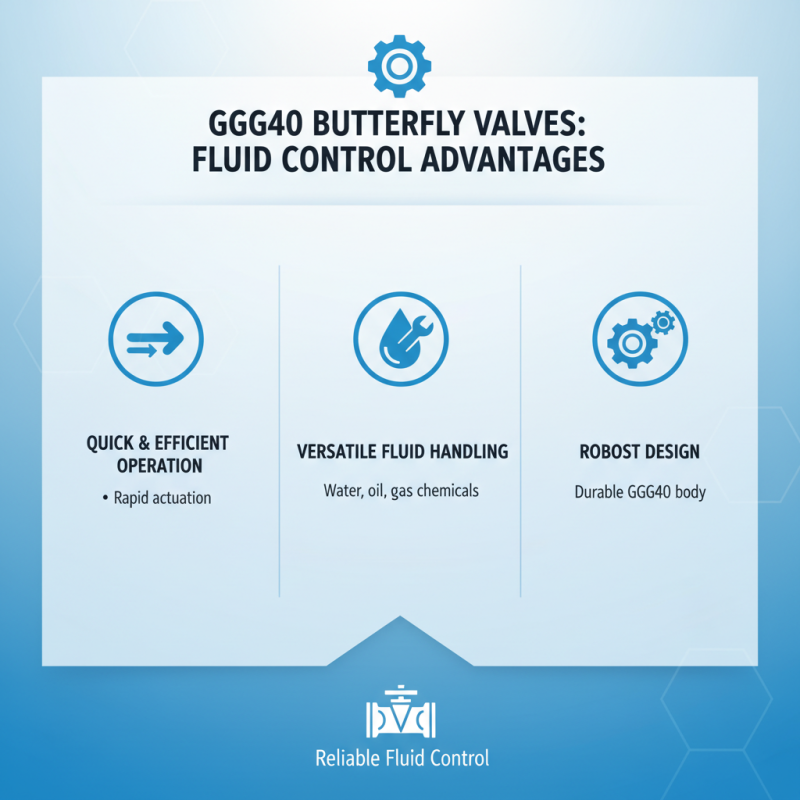
Ggg40 butterfly valves offer distinct advantages in fluid control applications. Their design allows for quick and efficient operation. These valves can seamlessly handle various fluids, making them versatile.
One notable benefit is their lightweight construction. This feature simplifies installation and reduces costs. Additionally, the valve's ability to provide tight sealing is crucial in preventing leaks. However, achieving optimal sealing can sometimes be a challenge. Regular maintenance is essential.
Another important aspect is their durability. Ggg40 butterfly valves can withstand harsh conditions, enhancing their lifespan. Yet, it's vital to assess the specific environmental factors of your project. Understanding these details can make a significant difference in performance. Ultimately, these valves are a solid choice for fluid control but demand careful consideration.
Comparative Analysis of Ggg40 and Other Valve Materials
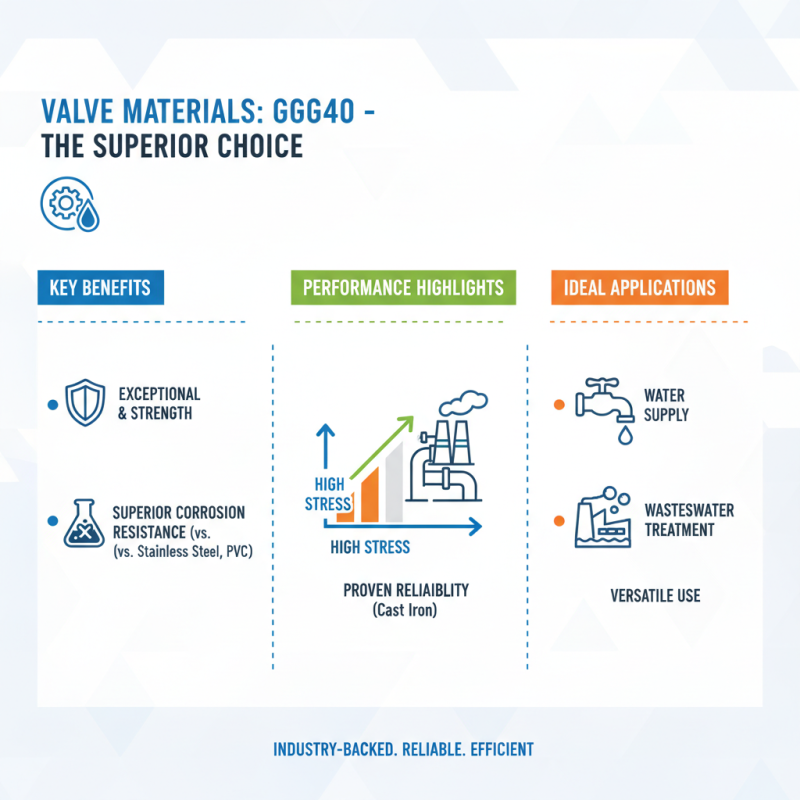
When choosing valve materials for projects, GGG40 is a standout option. It offers exceptional durability and strength. Compared to alternatives like stainless steel or PVC, GGG40 shows better resistance to corrosion. Industry reports indicate that cast iron valves, like GGG40, withstand high stress and harsh environments effectively. These features make GGG40 ideal for various applications, including water supply and wastewater treatment.
However, one must consider the weight of GGG40 valves. They can be quite heavy, which may complicate installation. In projects requiring lightweight components, this might pose a challenge. Furthermore, the initial cost of GGG40 can be higher than some plastic options. Data suggests that while GGG40 provides long-term savings, the upfront investments warrant careful budget consideration.
Despite these drawbacks, GGG40 showcases excellent thermal stability. It performs well across a wide temperature range. Reports highlight that GGG40 can maintain functionality in extreme conditions. However, this resilience should be weighed against the need for proper maintenance. Regular inspections are essential to ensure longevity. Balancing these factors is crucial when selecting valve materials for your projects.
Durability and Reliability: Why Ggg40 is a Preferred Choice
When it comes to selecting a valve for various projects, durability and reliability stand out. Ggg40 butterfly valves emerge as a strong choice for these reasons. Their robust construction ensures they can withstand high pressures and extreme temperatures. This makes them suitable for many industrial applications. Additionally, their resistance to corrosion enhances longevity, reducing maintenance costs.
In real-world scenarios, the effectiveness of Ggg40 valves is evident. They provide a reliable seal, minimizing leaks that can lead to inefficiencies. Operators often praise their ease of installation. However, it's crucial to think about the environment where they will be used. Not all settings may be ideal for Ggg40. Some users have noticed performance drops under specific conditions. Understanding these nuances is essential for maximizing their benefits.
Moreover, while Ggg40 valves are widely preferred, they are not without limitations. Users must consider valve size and pressure ratings for their specific needs. Inaccurate assessments can lead to unexpected failures. Balancing durability and suitability requires careful planning and reflection. Each valve has its pros and cons, and Ggg40 valves are no exception.
Installation and Maintenance Considerations for Ggg40 Butterfly Valves
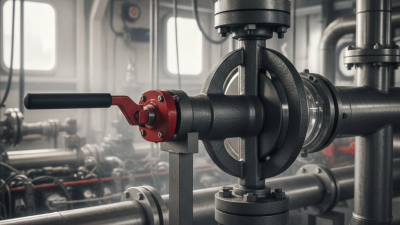
When considering Ggg40 butterfly valves for projects, installation and maintenance are key factors. These valves are designed for fluid control in various applications, including water treatment and industrial processes. They can withstand high pressures, but improper installation can lead to leaks or valve failure. It's essential to ensure that the valve is properly aligned with the pipeline to avoid undue stress.
Regular maintenance is crucial to extend the lifespan of Ggg40 butterfly valves. Data from industry reports indicate that improper maintenance can reduce valve efficiency by up to 30%. Routine inspections help identify signs of wear and tear. Simple tasks like lubricating the valve can prevent corrosion and ensure smooth operation. Many installers overlook the importance of seals, which can degrade over time.
While Ggg40 valves are reliable, they require attention. It's easy to underestimate their maintenance needs. Neglecting these aspects can lead to costly repairs or replacements. A proactive maintenance schedule can mitigate these risks and enhance performance. Proper training for staff on installation techniques is also beneficial. This ensures that everyone involved understands the critical nature of the components.
Advantages of Ggg40 Butterfly Valve in Projects
Cost-Effectiveness of Ggg40 Butterfly Valves in Long-Term Projects
Ggg40 butterfly valves are an excellent choice for projects focused on cost-effectiveness. In long-term applications, these valves provide substantial savings while ensuring reliability. According to industry reports, the initial investment in Ggg40 valves can be offset by their longevity and reduced maintenance needs. In fact, studies show that proper valve selection can decrease operational costs by up to 20% over time.
One key factor is the material used in Ggg40 valves. They typically offer enhanced corrosion resistance, extending their lifespan significantly. This durability results in fewer replacements and less downtime. Consider that an average butterfly valve has a lifespan of about 10-15 years. By choosing Ggg40, users can potentially extend this by several years.
Tips: Regular maintenance is still necessary. Even the best valves require checks to ensure optimal performance. If not maintained, costs can quickly spiral due to inefficiencies. Another point to consider is how these valves perform under varying conditions. Poor selection based on climate or pressure can lead to unexpected issues. Always analyze environmental factors before making a decision. The choice of a Ggg40 butterfly valve should be based on thorough consideration of these details.