Why Choose a Butterfly Valve With Bypass for Your Valve System?
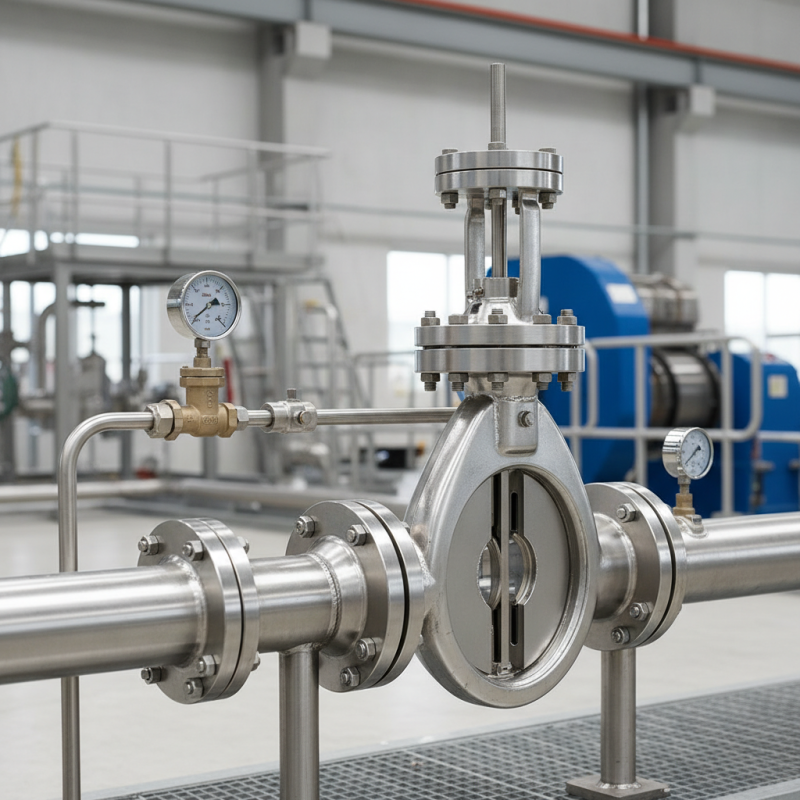
In the world of valve systems, choosing the right type is crucial. A "Butterfly Valve With Bypass" stands out for many reasons. It offers both efficiency and flexibility. These valves allow easy flow regulation and minimize pressure drops.
Consider a scenario where maintaining a specific flow rate is essential. The Butterfly Valve With Bypass can help achieve this while ensuring minimal energy loss. Additionally, this type of valve is compact and lightweight, making it suitable for various applications.
However, issues can arise if the valve is not properly maintained. Regular checks are necessary to avoid malfunctioning. Understanding when and how to use a bypass can also be challenging for some users. Investing in a Butterfly Valve With Bypass requires careful consideration. Yet, the rewards can significantly enhance the performance of a valve system.
Understanding the Functionality of Butterfly Valves with Bypass
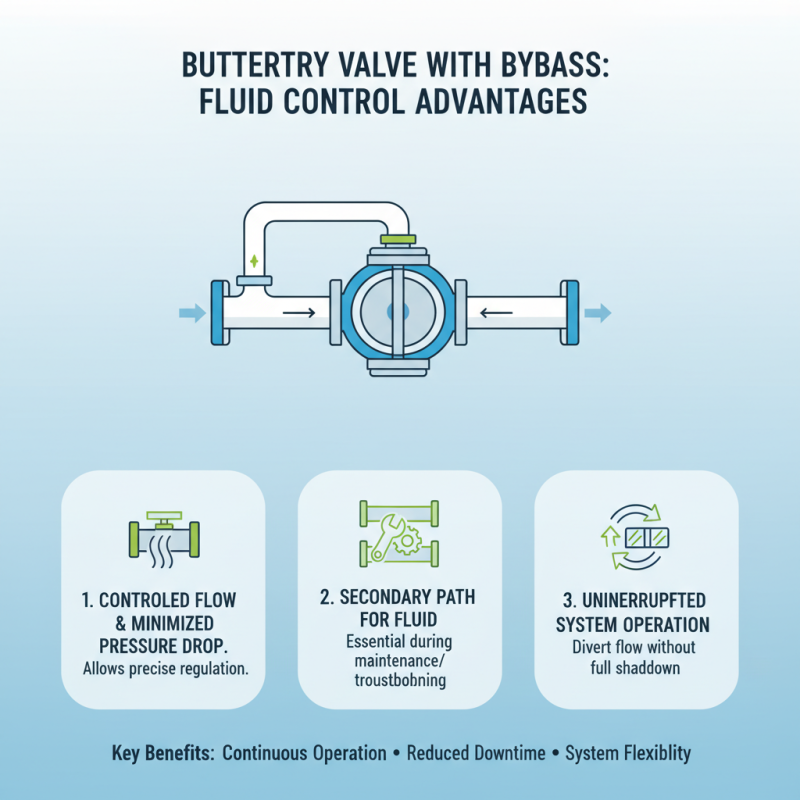
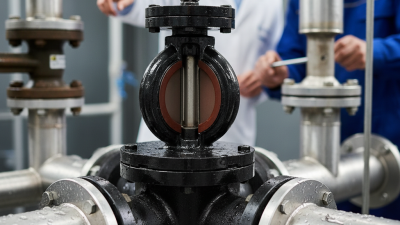
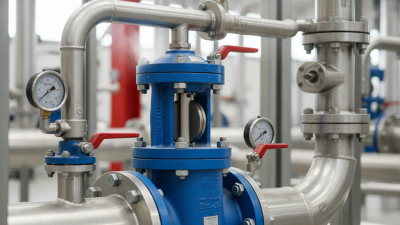
Butterfly valves with bypass features provide unique advantages for fluid control systems. These valves allow for controlled flow while minimizing pressure drop. The bypass design enables a secondary path for fluid, which is crucial during maintenance or troubleshooting. Thus, operators can divert flow without fully shutting down the system.
When selecting a butterfly valve with bypass, consider the application requirements. Ensure the valve material can withstand the fluid characteristics. Additionally, the valve size should match the piping system. Installation may present challenges. Proper alignment is essential. Misalignment can lead to leaks and operational issues.
Tips: Test the valve under varying conditions. This helps identify potential weak points. Regular maintenance is crucial. Inspect seals and connections frequently. Even high-quality valves can wear over time. Remember to account for future system changes. Flexibility in design often pays off in the long run.
Key Benefits of Integrating a Bypass in Butterfly Valve Systems
When considering a butterfly valve with a bypass, the integration of a bypass system can provide significant advantages. A bypass allows for better control of flow rates. This feature is especially useful in applications requiring precise regulation. By enabling fluid to circulate even when the main valve is closed, it prevents pressure build-up. This can reduce the risk of damage and prolong the lifespan of the valve system.
Another benefit of incorporating a bypass is improved maintenance access. In large systems, shutting down operations for maintenance can be costly. With a bypass in place, operators can perform required tasks without complete shutdown. This can lead to increased productivity and reduced downtime. However, one must consider the potential complexity a bypass may bring. More components add more points of failure. Careful planning and understanding of the system are essential for effective use.
Additionally, the installation of a bypass must align with your specific needs. Not every application will benefit from this feature. Each system is unique, and what works in one scenario may not work in another. Evaluating your flow requirements and maintenance schedule should guide your decision. Thoughtful integration of a bypass system can significantly enhance your butterfly valve's performance.
Applications Where Bypass Butterfly Valves Excel
Bypass butterfly valves are valuable in various applications. They offer unique advantages in systems that require efficient flow regulation. These valves excel in processes where constant monitoring and adjustments are necessary. For example, they are used in water treatment plants. Here, a bypass allows for continuous flow, even during maintenance.
In chemical processing, bypass butterfly valves provide a reliable solution. They control the flow of corrosive substances without interrupting the entire system. This capability is crucial for safety and efficiency. Additionally, in HVAC systems, these valves help maintain optimal pressure and temperature levels. They ensure smooth operation while providing energy savings.
However, not every application benefits equally. Bypass butterfly valves may not suit all fluid types. If the fluid has high viscosity or contains solids, issues may arise. This is where thorough planning and testing become essential. Engineers must carefully evaluate system needs before making a decision. Reflection on these factors can lead to better outcomes.
Comparing Bypass Butterfly Valves to Traditional Valve Options
Choosing a bypass butterfly valve can enhance your valve system. Compared to traditional valve options, they offer unique advantages. A bypass butterfly valve
allows for flow regulation without the need for complete shutdown. This is crucial in systems requiring continuous operation.
Recent industry reports indicate that bypass butterfly valves can reduce maintenance costs by 30%. This cost efficiency arises from their simpler design and
easier installation. Traditional valves often need extensive maintenance and downtime. In sectors like oil and gas, such improvements can lead to significant savings.
Reliable data shows that improper valve selection can lead to up to 20% energy loss in fluid systems.
Operational flexibility is another benefit. The bypass feature enables adjustments without disrupting the main flow. This is an
underappreciated advantage in high-demand processes. However, it is essential to assess the specific application and medium flow. Not all systems will benefit equally from this
option. Sometimes, the decision to switch may reflect more on operational habits than on true need. Each system presents its own challenges and solutions.
Maintenance Tips for Bypass Butterfly Valve Systems
When considering a bypass butterfly valve system, maintenance is crucial for long-term performance. Regular inspections help identify potential issues early. Check the valve’s seating area for wear or damage. Tighten connections as needed to prevent leaks. Ensuring the actuator functions smoothly is also vital. Lubrication can help with this.
It’s easy to overlook the simpler tasks. For instance, debris in the pipeline can affect valve operation. Clean the area regularly to avoid buildup. Remember, too, that valve position indicators should be monitored. Malfunctioning indicators can lead to operational confusion. Document your maintenance activities to track any recurring issues.
Despite best efforts, problems can arise. Be prepared to address valve sticking or excessive noise. These may signal the need for a deeper inspection. Sometimes, simply adjusting the bypass flow can solve minor issues. Pay attention to these details; they can significantly impact system efficiency. It’s a continuous learning process.
Maintenance Tips for Bypass Butterfly Valve Systems
This chart displays the average maintenance frequency and associated issues for bypass butterfly valve systems over a 12-month period. The data highlights the importance of regular checks to ensure optimal performance.