2026 How to Choose the Best Rubber Lined Butterfly Valve for Your Needs?
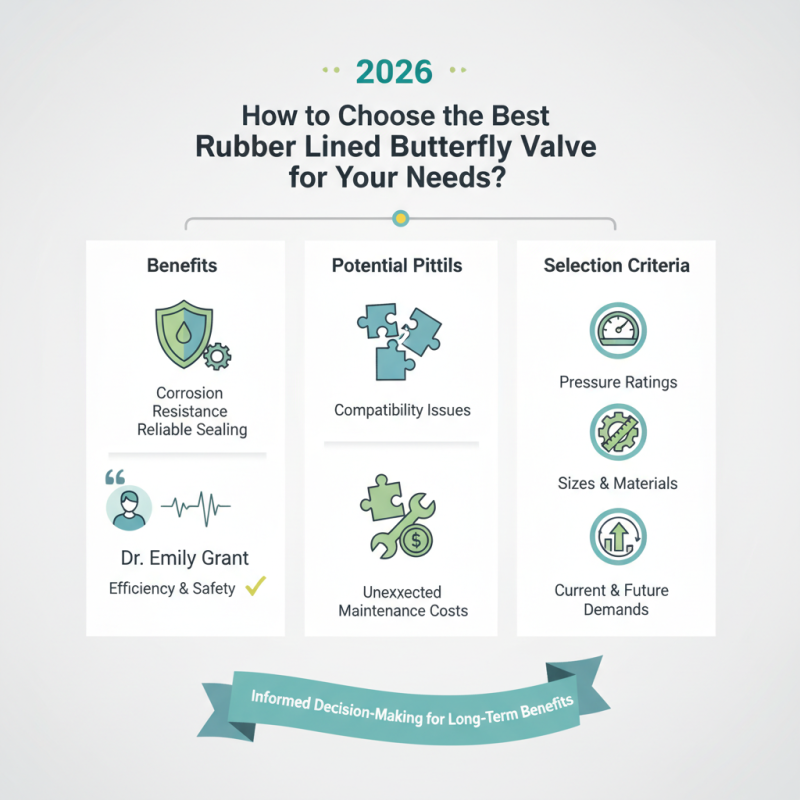
In the world of industrial applications, selecting the right equipment is crucial. The Rubber Lined Butterfly Valve stands out for its unique benefits. According to industry expert Dr. Emily Grant, "Choosing the correct valve can significantly impact efficiency and safety." This emphasizes the importance of informed decision-making.
Rubber Lined Butterfly Valves are renowned for their corrosion resistance and reliable sealing capabilities. These features are vital in various industries, including chemicals and water treatment. However, not all valves are created equal, and there can be pitfalls in selection. Some users find themselves facing compatibility issues or unexpected maintenance costs.
It is essential to evaluate specific requirements before making a choice. Think about pressure ratings, sizes, and materials. The ideal Rubber Lined Butterfly Valve should not only meet current needs but also future demands. Understanding these elements can create long-term benefits.
Understanding the Basics of Rubber Lined Butterfly Valves
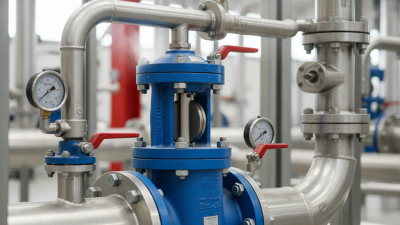
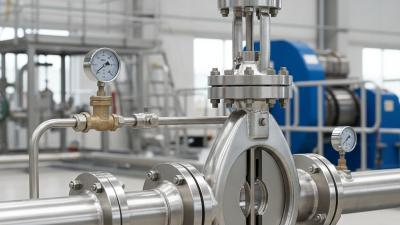
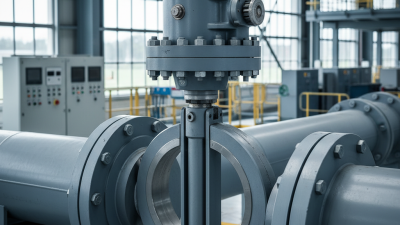
Rubber lined butterfly valves are essential in various industries. They control the flow of liquids and gases. Their structure includes a disc that rotates to open or close the valve. This design allows for easy operation and quick sealing.
Rubber lining provides excellent corrosion and wear resistance, making these valves ideal for harsh environments.
Understanding the basics of rubber lined butterfly valves can help you make informed decisions. Key factors include size, pressure rating, and temperature range. Selecting the wrong size might lead to leaks or inadequate flow control. Many overlook these details. Additionally, the type of rubber used affects performance. Common options are EPDM and NBR.
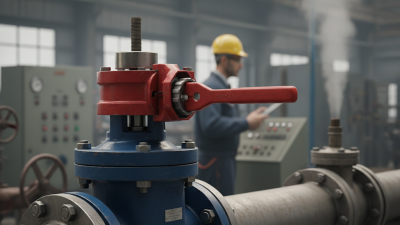
Installation is another critical aspect to consider. Improper mounting can cause operational issues. Regular maintenance is essential for optimal functionality. Neglecting this can lead to unexpected downtime and costly repairs. Therefore, knowing how to choose the right valve involves considering multiple factors, often underestimated yet crucial for efficiency.
Key Factors to Consider When Choosing Rubber Lined Butterfly Valves
Choosing the right rubber lined butterfly valve is crucial for various applications. First, consider the size of your piping system. Measure the diameter carefully. A mismatch can lead to leaks or inefficient flow. Don’t rush this process. Take your time to get it right.
Next, pay attention to the material quality. Rubber linings can vary in durability. Thicker linings often resist wear better. Ensure that the valve can handle the fluids in your system. For example, acidic or abrasive substances can damage weaker materials. It's wise to discuss this with your supplier.
Lastly, focus on the actuation method. Manual, electric, and pneumatic options exist. Each has pros and cons that affect operation. Manual valves might be cost-effective but require more effort. Electric options provide ease but can be costly. Evaluate your needs carefully to find the best fit. Don't forget to reflect on your selections. Making informed choices ensures long-term success.
Factors to Consider When Choosing Rubber Lined Butterfly Valves
Different Applications for Rubber Lined Butterfly Valves
Rubber lined butterfly valves are widely used in various industries. They excel in controlling flow rates for different liquids. Their design offers advantages like reduced wear and increased lifespan. According to a report by MarketsandMarkets, the global butterfly valve market is expected to grow significantly, driven by the water and wastewater industry.
In water treatment processes, rubber lined valves are crucial. They prevent corrosion from harsh chemicals. However, there are challenges. Not all rubber linings withstand extreme temperatures. This can lead to performance issues. Engineers must select appropriate materials for specific applications.
The oil and gas sector also utilizes these valves. They manage fluid flow in pipelines. Still, reliability is a concern. A study from Research and Markets indicates that nearly 30% of valve failures stem from improper installation or maintenance. Proper training is essential to avoid costly errors.
2026 How to Choose the Best Rubber Lined Butterfly Valve for Your Needs? - Different Applications for Rubber Lined Butterfly Valves
| Application |
Fluid Type |
Temperature Range (°F) |
Pressure Rating (psi) |
Size Range (inch) |
| Water Treatment |
Potable Water |
32 - 150 |
150 |
2 - 36 |
| Chemical Processing |
Acids and Bases |
50 - 200 |
100 |
2 - 24 |
| Food Industry |
Food and Beverage |
35 - 140 |
50 |
1 - 12 |
| HVAC |
Air |
40 - 120 |
75 |
2 - 20 |
| Pharmaceuticals |
Clean Water |
50 - 180 |
100 |
1 - 10 |
Evaluating Material Quality and Durability in Valves
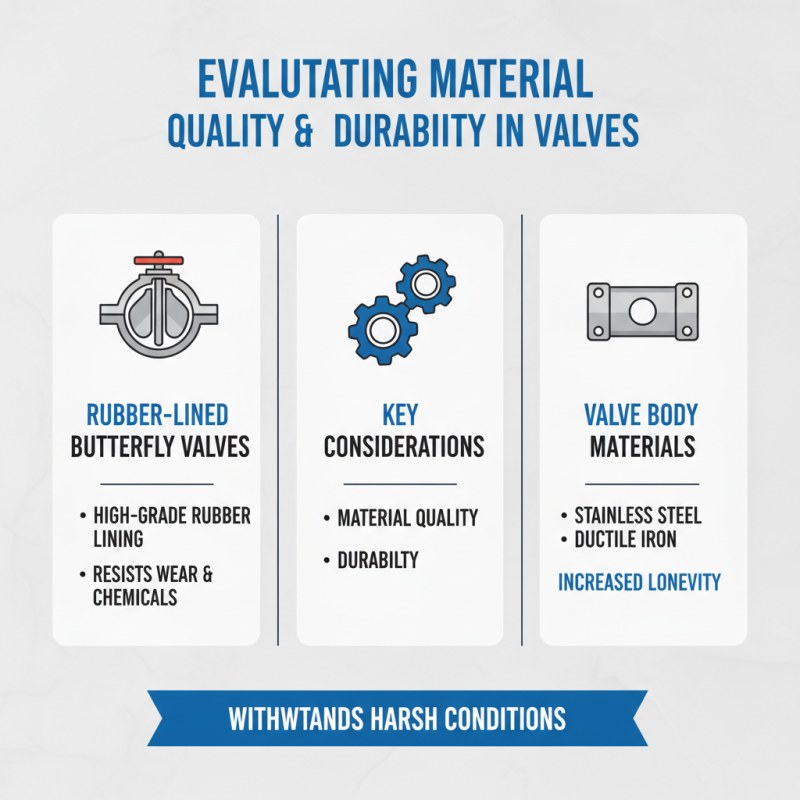
When choosing a rubber lined butterfly valve, material quality and durability are crucial. The right materials ensure the valve withstands harsh conditions. Look for high-grade rubber linings that resist wear and chemicals. The valve body should be made of sturdy materials, such as stainless steel or ductile iron, to increase longevity.
Tips: Always check the product specifications. Compare the thickness of the rubber lining. Thicker linings often provide better protection against corrosive substances.
Evaluate performance ratings from various manufacturers. A valve may appear similar to others but may have inferior material. Consider real-world reviews from users. Such insights can reveal hidden weaknesses or strengths. Sometimes, visual inspection is not enough. The valve might seem durable but can fail under pressure.
Tips: Request samples when possible. Testing a valve in your specific environment reveals its true capabilities. Remember, the cheapest option may cost more in the long run if replacement becomes frequent. Quality matters when reliability is key.
Maintenance Tips for Rubber Lined Butterfly Valves
When it comes to rubber lined butterfly valves, maintenance is crucial. Regular checks can prevent unexpected failures. Inspect the valve seating and the rubber lining for signs of wear. This can extend the life of your valve significantly.
Tips for maintaining these valves include keeping them clean. Dirt and debris can cause improper sealing. Another tip is to regularly lubricate the valve’s moving parts. This helps ensure smooth operation. Make sure to use the recommended lubricant. It prevents corrosion and reduces friction.
Don’t ignore small leaks. They can lead to bigger issues. If you notice a leak, address it promptly. Also, check for any unusual noises during operation. Strange sounds may indicate a problem. Keeping a maintenance log can help track issues. Reflecting on past problems allows for better future management.