How to Build a Prefab Container House for Affordable Living?
The rising cost of housing is a significant concern for many. In this landscape, the "Prefab Container House" emerges as a practical solution. According to the National Association of Home Builders, nearly 72% of Americans are concerned about housing affordability. Designing a living space from shipping containers can be both economical and sustainable.
Industry expert Anna Thompson states, "Prefab Container Houses offer a unique opportunity for affordable living while maintaining design versatility." Her insights highlight that these homes can be tailored to meet diverse needs. Prefab containers reduce labor costs and construction waste. They provide a swift housing solution, especially during crises.
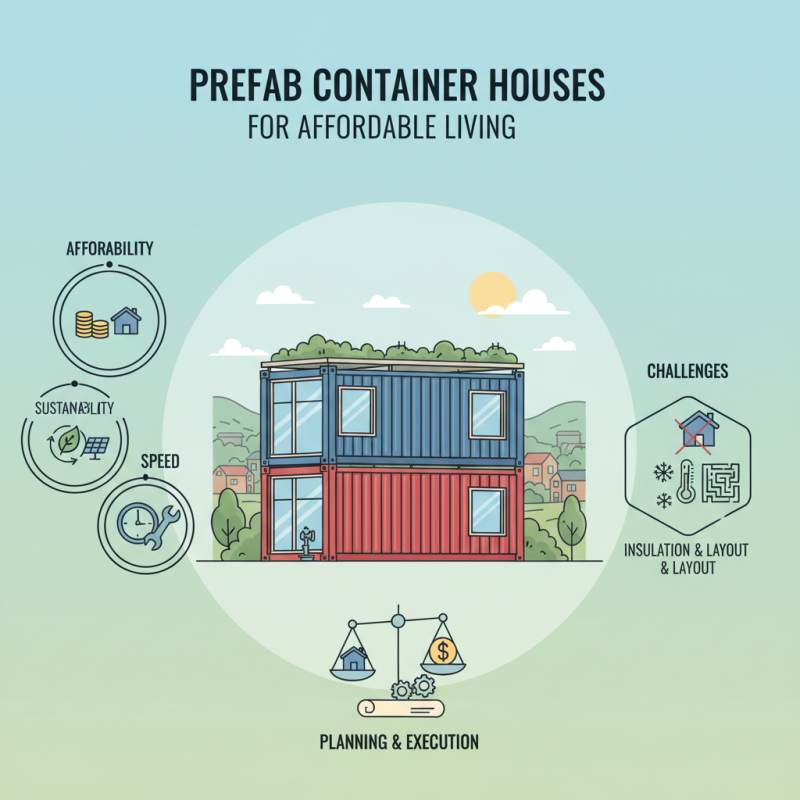
However, building a Prefab Container House is not without its challenges. Certain local regulations may restrict container living. Additionally, insulation and layout can be tricky. It's essential to reflect on these complexities while pursuing affordable, container-based living. Balancing cost, aesthetics, and compliance requires careful planning and execution.
Understanding Prefab Container Houses and Their Benefits
Prefab container houses are gaining popularity for affordable living. They offer a unique blend of mobility and sustainability. Made from repurposed shipping containers, these homes are eco-friendly. It’s a smart way to reduce waste and minimize your carbon footprint.
The benefits are numerous. These homes are cost-effective. You can find a variety of styles, sizes, and designs. This allows for personalization to fit your lifestyle. They are quick to assemble, which is a significant advantage. However, zoning laws can be tricky. Some areas have strict regulations, which may limit your options. It’s essential to research local codes before diving into the project.
Prefab homes are also adaptable. They can serve as a primary residence or a vacation getaway. But customization can be challenging. You may encounter issues with insulation if not planned properly. The layout may not always meet your needs without modification. Careful planning is crucial to create your perfect space.
How to Build a Prefab Container House for Affordable Living? - Understanding Prefab Container Houses and Their Benefits
| Feature | Description | Benefits | Cost Estimate (USD) |
| Material | Steel shipping containers | Durable, weather-resistant, and recyclable | $2,000 - $5,000 |
| Size | 20ft to 40ft containers | Flexible space options based on needs | $3,000 - $7,000 |
| Insulation | Spray foam or rigid board insulation | Energy-efficient and comfortable | $1,500 - $3,000 |
| Foundation | Concrete blocks or pier foundations | Stability and protection from moisture | $1,000 - $2,500 |
| Utilities | Water, electricity, and sewage systems | Essential for comfortable living | $5,000 - $15,000 |
| Customization | Interior layout and finishings | Personalized living space | $2,000 - $10,000 |
| Time to Build | 4 to 12 weeks | Quick construction timeline | N/A |
Essential Factors to Consider When Choosing Container Types
When considering prefab container houses, the type of container you choose is critical. Standard shipping containers are popular due to their durability. They are designed to withstand harsh conditions during transport. However, they may not provide the best insulation. This can lead to higher energy costs over time.
High cube containers offer more vertical space, making them ideal for taller structures. Yet, they can be less available and more expensive. Consider modified containers as well. These often include windows and doors, making them more livable from the start. But, modifications can affect structural integrity, requiring careful planning.
Location is another factor. Containers can be affected by climate, which might dictate the type of insulation needed. Urban settings often have building regulations you must follow. Not all containers fit seamlessly into every environment. Take time to research local guidelines to avoid future headaches.
Think about the long-term implications of your choices. It’s not only about cost but quality and sustainability.
Step-by-Step Guide to Designing Your Container House Layout
Designing your container house layout is a crucial step in building an affordable living space. Start by determining the number of rooms you need. Common layouts include studios, one-bedroom, or two-bedroom formats. Each configuration will affect your overall budget. According to a recent industry report, container homes can save up to 30% on building costs compared to traditional homes. This highlights the need for smart planning.
Next, focus on the flow of the space. Position your kitchen near the living area for convenience. Natural light is essential; consider large windows to brighten up the interior. However, be mindful of insulation challenges. Proper insulation can increase costs, but it’s crucial for comfort. A well-insulated home can cut heating and cooling costs by 20%. Remember, an efficient layout saves money long-term.
Think about multi-functional furniture. This approach maximizes small spaces effectively. Design matters, too; consider aesthetics alongside practicality. Sometimes, what seems like a good idea may not be feasible. You might find that your initial layout requires adjustments. Be prepared to revisit your design as you work on it. Flexibility in planning leads to a better final product.
Key Construction Techniques for Building a Sturdy Container Home
Building a prefab container house is a practical solution for affordable living. Key construction techniques can significantly impact stability and durability. Using high-quality materials is crucial. The International Code Council (ICC) reports that properly insulated containers can enhance energy efficiency, reducing utility costs by up to 30%.
When constructing a container home, site selection plays a vital role. A stable base is essential. Issues like water runoff and soil erosion can undermine the foundation. Professionals often recommend concrete piers or a concrete slab. These approaches support the weight of the containers and prevent shifting over time.
Ventilation is another critical aspect. Many container homes lack adequate airflow. This can lead to mold growth and stagnant air. Incorporating windows and ventilation systems is necessary for healthy living conditions. According to the Environmental Protection Agency (EPA), proper ventilation reduces indoor air pollutants. Recognizing these potential issues helps in planning a more effective and sustainable container home.
Budgeting for Your Container House: Costs and Financing Options
When budgeting for a prefab container house, understanding the costs is crucial. The price of a shipping container can range significantly. Depending on size and condition, costs may vary from $1,500 to $5,000. These are just the initial expenses. You must also account for delivery, which can be costly based on distance. Consider additional fees for permits and land preparation.
Financing options are diverse but often confusing. Many people rely on personal loans or home equity. Some banks offer specific loans for alternative housing. While these options exist, lenders may have higher interest rates. Building a budget is essential to avoid overspending. Unexpected costs can arise, from construction materials to labor fees. Also, think about long-term expenses like utilities and maintenance.
Reflecting on your budget is vital. Are you prepared for the financial commitment? Many underestimate ongoing costs, leading to stress. It's important to research and plan thoroughly. Adjusting your budget may be necessary as you progress. Be flexible and realistic about your spending. Without careful consideration, your affordable living dream could become overwhelming.