Top 10 Benefits of Ip68 Butterfly Valve for Global Buyers?
The increasing demand for robust and efficient valve solutions has brought the IP68 butterfly valve to the forefront of industrial applications. This valve offers unrivaled benefits, including water resistance and durability, making it a favored choice among global buyers. According to a recent report by the Valve Manufacturers Association, the market for durable valves is expected to grow by 15% annually over the next five years, showcasing a significant shift towards reliable solutions.
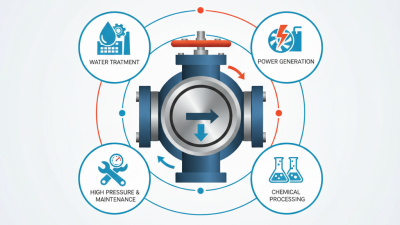
Expert in fluid control systems, Dr. James Fletcher, states, “The IP68 butterfly valve redefines reliability in harsh environments.” These valves are particularly valuable in sectors like wastewater management, chemical processing, and irrigation systems. Their ability to function effectively while submerged or exposed to dust gives them a competitive edge.
However, it’s essential to note that not every IP68 butterfly valve meets industry standards. Buyers must thoroughly vet suppliers and consider certification details. This scrutiny helps prevent performance issues and ensures that the intended benefits materialize. Reliable information and expert insight are crucial in navigating this evolving market landscape.
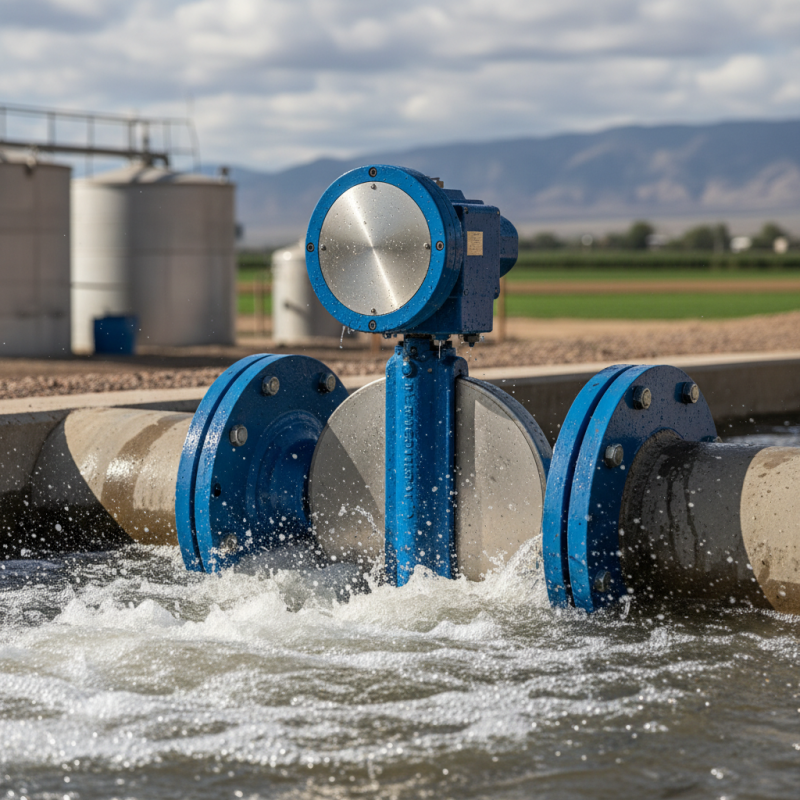
The Significance of IP68 Rating in Butterfly Valves for Buyers
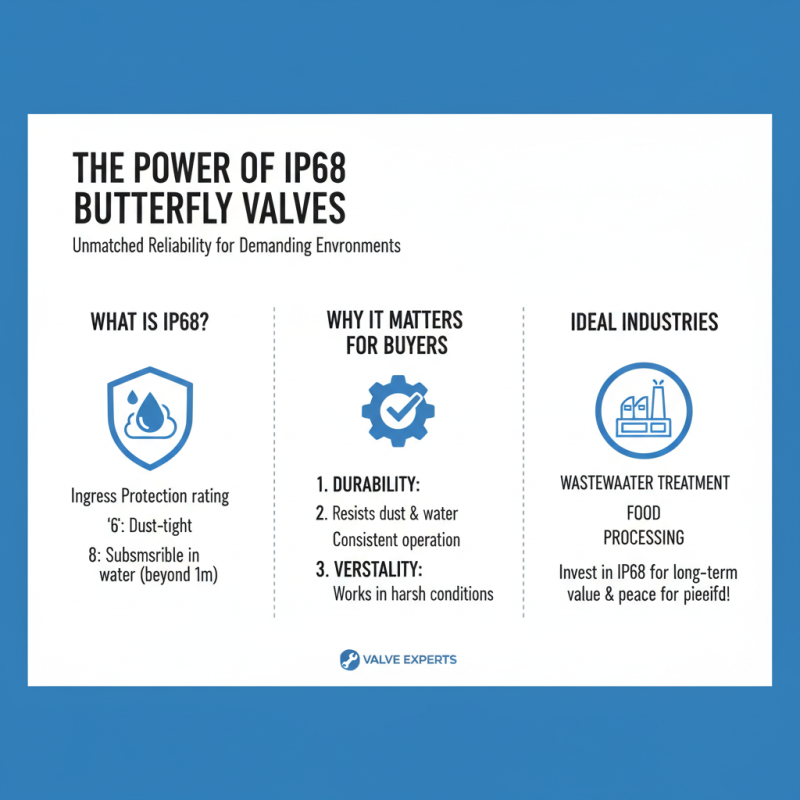
The IP68 rating is crucial for butterfly valves. This rating signifies that the valves can withstand both dust and water ingress. Buyers looking for reliable valve solutions should prioritize this feature. An IP68 butterfly valve offers versatility in various environments. It can function in wet and dusty conditions without compromising performance. This makes them ideal for industries like wastewater treatment and food processing.
Moreover, the durability of IP68 butterfly valves stands out. They provide long-lasting service, reducing the need for frequent replacements. This alone can lead to significant cost savings for businesses. However, buyers must remember that not all applications require such a high rating. Understanding specific operational contexts is essential. This awareness helps in making informed decisions.
Some buyers may overlook the importance of installation and maintenance. Even an IP68 rated valve needs proper handling and care. A lack of attention could lead to performance issues over time. It's a reminder that choosing the right valve is only part of the equation. Continuous monitoring and upkeep are equally vital for optimal efficiency.
Key Advantages of IP68 Butterfly Valves in Various Industries
IP68 butterfly valves are increasingly valued in various industries for their enhanced durability and protection against environmental factors. These valves are designed to withstand extreme conditions, making them ideal for applications exposed to dust and moisture. For instance, in wastewater treatment facilities, these valves prevent leaks and maintain efficiency, even when submerged in water. Their robust design ensures reliable operation, reducing downtime and maintenance costs.
In chemical processing, the IP68 rating signifies that these valves offer superior resistance to harsh chemicals. This is crucial for safety and longevity in operations. Moreover, industries such as food and beverage benefit from the hygiene features of IP68 butterfly valves. They are easy to clean and sanitize, which helps maintain strict health standards.
Choosing the right valve can be tricky. While IP68 butterfly valves offer excellent benefits, they may be overkill for less demanding environments. Companies must assess their specific needs and evaluate whether the investment aligns with their operational goals. Balancing cost and performance is essential in making the best decision for valve selection.
Durability and Longevity: How IP68 Offers Cost Savings Over Time
When considering valves for various applications, the IP68 butterfly valve stands out for its remarkable durability. Often used in harsh environments, these valves resist dust and water ingress effectively. This protection enhances operational reliability and reduces maintenance needs. By minimizing failures, companies can avoid costly downtime.
Investing in IP68 butterfly valves can lead to significant long-term savings. Their robust construction means fewer replacements are needed. Over time, the cost of maintenance decreases as well. Industries benefit from lower operational costs, making these valves a smart choice. However, not all environments may require such high protection, leading to potential over-specification. It’s essential to evaluate the specific needs before purchase.
While the advantages are clear, buyers should reflect on installation and compatibility. Proper integration with existing systems is critical. Misalignment can lead to inefficiencies and increased costs. This highlights the need for careful planning and expert consultation. Understanding the full scope of IP68 butterfly valves ensures optimal performance and cost efficiency.
Top 10 Benefits of IP68 Butterfly Valve for Global Buyers
| Benefit |
Description |
Cost Savings Potential (%) |
Lifespan (Years) |
| Durability |
Resistant to extreme conditions and corrosion. |
25 |
20+ |
| Longevity |
Extended service life reduces replacement frequency. |
15 |
15+ |
| Low Maintenance |
Requires minimal upkeep, saving time and costs. |
20 |
25+ |
| Waterproof Design |
IP68 rating protects against water ingress. |
30 |
20+ |
| Versatile Applications |
Suitable for various industries including water, oil, and gas. |
10 |
15+ |
| Cost-effective |
Reduces total cost of ownership through durability. |
35 |
20+ |
| Simple Design |
Ease of installation and operation. |
5 |
10+ |
| Increased Efficiency |
Enhances flow control and reduces energy costs. |
20 |
25+ |
| Sustainability |
Environmentally friendly materials minimize impact. |
15 |
20+ |
| Safety Features |
Built-in features prevent leaks and failures. |
10 |
15+ |
Performance Metrics: IP68 Butterfly Valves Versus Standard Models
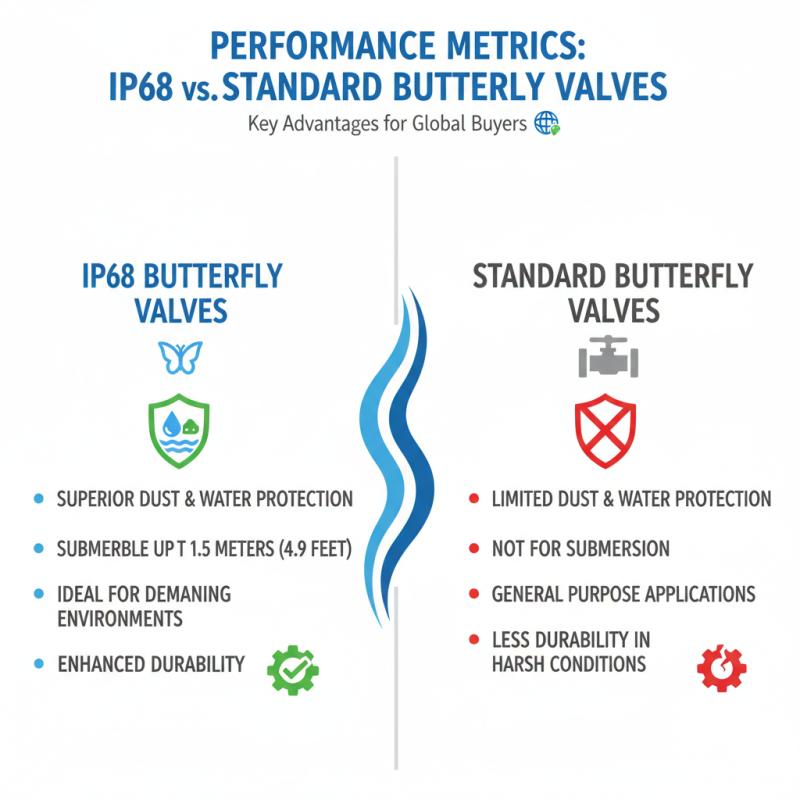
IP68 butterfly valves are gaining traction among global buyers due to their unique performance metrics. When compared to standard models, IP68 valves excel in various environments. They offer superior protection against dust and water, making them ideal for demanding applications. According to a recent industry report, IP68-rated valves can withstand submersion in water up to 1.5 meters, ensuring durability that standard valves often lack.
One key area of advantage is their longevity. IP68 butterfly valves can operate under extreme conditions without significant wear and tear. This durability translates to reduced maintenance costs and longer life cycles. In fact, studies suggest that these valves can last up to 20% longer than standard models in harsh environments. However, not all buyers may require such high ratings. Understanding specific needs is critical.
Tips: Always assess the operating environment before making a purchase. Factors like pressure, temperature, and fluid type play vital roles. Make sure to consult with experts to ensure you select the appropriate valve type.
Moreover, while IP68 valves are impressive, they come at a higher initial cost. This can deter some buyers. Balancing upfront investment with long-term benefits requires careful consideration. Each project has unique demands that might not align with the capabilities of IP68 valves. Reflecting on the real needs of your application is essential for making an informed decision.
Global Market Demand: Trends Influencing IP68 Butterfly Valve Adoption
The global market for IP68 butterfly valves is witnessing significant growth, driven by various industrial demands. The growing need for efficient fluid control in harsh environments is pushing users towards these specialized valves. A recent report shows a projected annual growth rate of 8.5% from 2023 to 2028. Industries like water treatment and chemicals are major contributors to this trend.
You should be aware that manufacturers often claim high durability and reliability with IP68 ratings. However, it’s essential to scrutinize specifications and performance under real-world conditions. Not all valves are made equal. Look for certifications and test data before making a decision.
Alarming trends show that many buyers overlook the maintenance requirements associated with IP68 valves. While marketed as low-maintenance, routine checks remain critical. Regular inspections can save costs in the long run. Additionally, buyers should consider the potential environmental impact of their choices. Sustainable sourcing is becoming crucial as regulations tighten globally.
Keep an eye on emerging technologies. Innovations in materials and sealing techniques can further enhance valve performance. These advancements are likely to shape market dynamics over the next few years.