2026 Best En1074 Butterfly Valve Reviews and Buying Guide?
In the world of fluid control, the En1074 Butterfly Valve stands out. Its design allows for efficient flow regulation in various applications. According to industry expert James Carter, "The En1074 Butterfly Valve is revolutionizing how sectors handle fluid dynamics." His insights shed light on the significance of this valve.
This guide provides an in-depth review of the best En1074 Butterfly Valves available in 2026. It discusses essential features, material options, and performance metrics. The choice of the right valve can significantly affect your project’s efficiency and longevity. However, many still overlook critical details in their selections.
While the En1074 Butterfly Valve offers great benefits, it's crucial to address potential shortcomings. Some users report issues with sizing and compatibility. Choosing the wrong valve can lead to operational inefficiencies. This review will help navigate those challenges and highlight what to consider before making a purchase.

2026 Overview of En1074 Butterfly Valves and Their Key Features
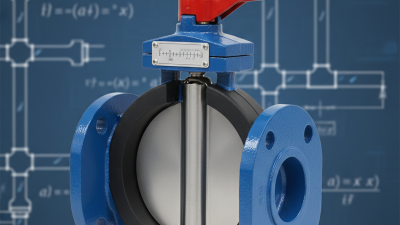
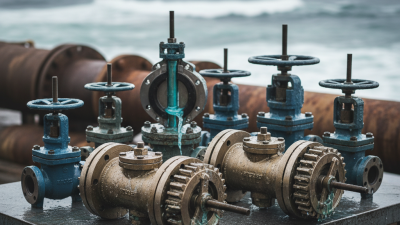
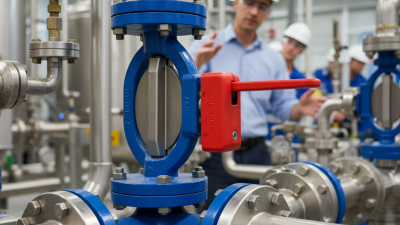
The EN1074 butterfly valve is a reliable choice in fluid control systems. It features a simple operation that allows for easy modulation of flow. Common in water, gas, and sewage applications, these valves are also known for their lightweight construction. This aspect can simplify installation and reduce the need for extensive support structures.
When considering EN1074 butterfly valves, focus on the material used. Options like ductile iron and stainless steel can enhance durability. The sealing mechanism plays a vital role in preventing leaks. Regular maintenance might be required to ensure optimal performance over time. Don't overlook potential wear and tear, especially in harsh environments.
Tips: Always assess the size and type needed for your system. This can prevent unnecessary costs. Installing a valve too large can impede flow. Too small, and you may face pressure issues. Additionally, inspect for compatibility with other components to avoid operational problems.
Industry Standards for En1074 Butterfly Valves: Importance and Compliance
The EN1074 standard plays a crucial role in ensuring the reliability and efficiency of butterfly valves.
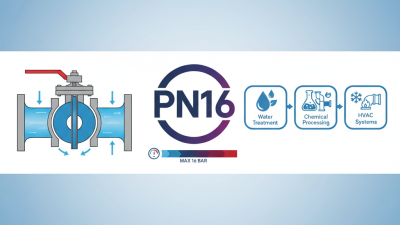
These valves are essential for various industries, from water management to chemical processing.
Compliance with EN1074 emphasizes safety and performance in critical applications.
According to industry reports, about 30% of valve failures stem from non-compliance with standards.
This highlights the importance of adhering to industry regulations.
Many manufacturers still overlook necessary assessments for EN1074 compliance.
This oversight often leads to significant operational issues down the line.
Inadequate testing may result in inadequate sealing capabilities or premature wear.
Statistics indicate that non-compliant valves can lead to an increase in maintenance costs by up to
25%.
This signifies the need for thorough evaluations to avoid long-term financial impacts.
Meeting EN1074 standards also boosts market competitiveness.
Customers increasingly demand reliable products.
Furthermore, valves that comply can enhance system credibility.
A study revealed that 70% of buyers prioritize compliance when selecting valves.
It’s crucial for manufacturers to focus on this aspect.
Continuous improvement in compliance can elevate product quality and industry standards.
Top Brands in Butterfly Valves: Market Share and Performance Insights
When exploring the butterfly valve market, several brands emerge as front-runners. These brands capture significant market share due to their innovative designs and reliable performance. They have established themselves in sectors like water treatment and industrial processes. Users often prefer these brands for their durability and efficiency.
Performance insights reveal that different brands excel in various aspects. Some focus on high pressure and temperature resistance. Others prioritize ease of maintenance and installation. This can lead to mixed reviews. Customers sometimes report issues with specific models. They wish for better customer support or product longevity. As the market grows, so does the need for transparency in performance metrics.
Choosing the right butterfly valve requires careful consideration. Users must assess their specific needs. Understanding the application is crucial. Not all valves fit every scenario. Seeking feedback from industry peers can provide valuable perspective. It's important to recognize that even top brands may not meet every expectation. Inquire, research, and make informed decisions to enhance your experience.
2026 Best En1074 Butterfly Valve Reviews and Buying Guide
| Diameter (mm) |
Material |
Pressure Rating (bar) |
Actuator Type |
Warranty (years) |
Market Share (%) |
| 50 |
Cast Iron |
10 |
Electric |
3 |
20 |
| 100 |
Stainless Steel |
16 |
Pneumatic |
5 |
25 |
| 150 |
Plastic |
6 |
Manual |
2 |
15 |
| 200 |
Brass |
12 |
Electric |
4 |
30 |
| 300 |
Ductile Iron |
8 |
Hydraulic |
6 |
10 |
Factors Influencing Butterfly Valve Selection: Materials and Design Considerations
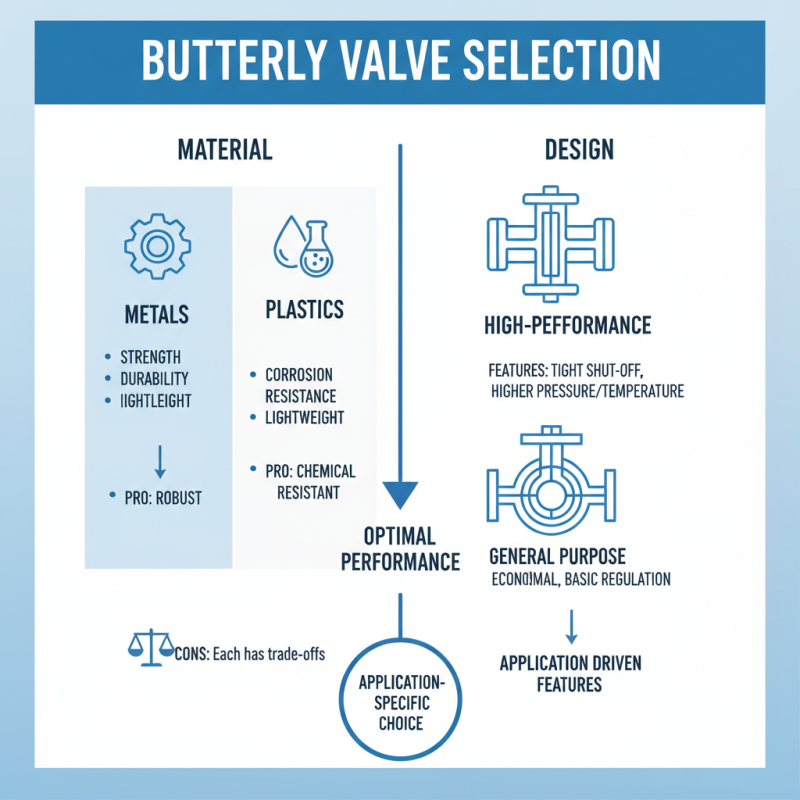
When selecting a butterfly valve, material and design are paramount. Different applications demand specific features. For instance, the choice between metals and plastics can influence durability. Metals provide strength, while plastics may offer corrosion resistance. Each material has pros and cons that can impact performance.
Design considerations are equally critical. Look for variations in disc shapes. A tapered disc may reduce turbulence, while a full-disc type ensures better flow control. Sealing methods are also important. Types include soft and hard seals, each with unique advantages. Soft seals are great for low-pressure systems, while hard seals may suit high-pressure applications.
Some users overlook these factors, leading to suboptimal choices. Reflect on your needs. The right valve can greatly enhance system efficiency. Assess how the selected materials and designs align with your project requirements. It's easy to get caught up in brands, but focus on functionality instead.
Maintenance Tips and Longevity Factors for En1074 Butterfly Valves
Maintaining EN1074 butterfly valves is crucial for optimal performance.
Regular inspection is essential.
Check for wear and corrosion frequently. According to industry reports,
up to 25% of failures are due to poor maintenance.
A simple visual check can save costs and downtime.
Lubrication is key to longevity. Use the correct lubricant as per the manufacturer’s recommendations.
Over-lubrication can lead to issues.
Studies show that valves with proper lubrication last up to 30% longer.
Keep seals in good condition, as they prevent leaks and preserve performance.
Environment impacts maintenance needs.
Humidity and temperature variations can affect valve behavior.
Ensure stable conditions wherever possible. If conditions change, revisit maintenance strategies.
Neglecting small issues can lead to bigger problems down the line.
It's better to address minor leaks than face a total failure later on.